
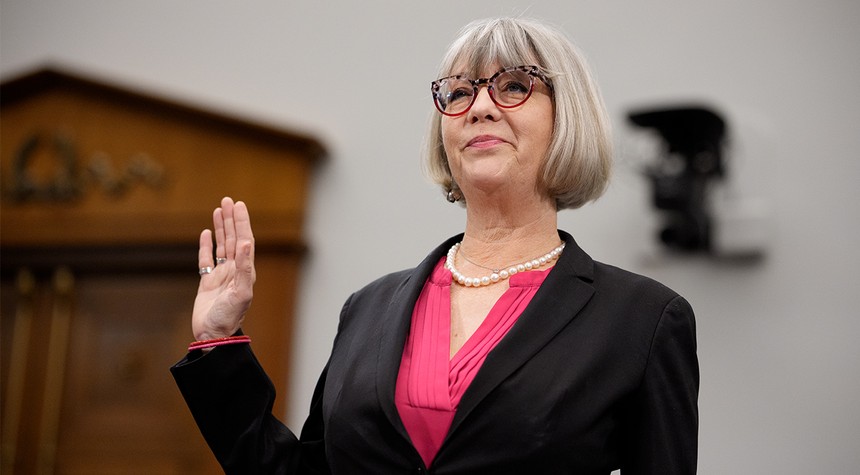
Rep. Mike Carey wasn’t asking a trick question. He wanted a straight answer from Anthea Hartig, the director of the National Museum of American History, about why her institution scrubbed the words “American history” from its mission statement. Her reasoning? The museum needed to help people “get out of the America-first mentality.”
Let that sink in for a moment. The National Museum of American History doesn’t want you thinking about American history first when you visit a museum explicitly dedicated to American history. It’s the kind of circular logic that would be funny if it wasn’t being funded by your tax dollars.
Carey, an Ohio Republican, pressed Hartig during Wednesday’s House Committee on House Administration hearing. He wanted clarification on what exactly she meant by “America-first.” Was it a political dog whistle? Was it an indictment of patriotism itself? The question matters because we’re not talking about some private gallery in Brooklyn catering to a niche audience. This is the Smithsonian, an institution that exists because Congress created it to preserve and celebrate American heritage.
The exchange captures something larger than one museum’s mission statement. Republicans in Congress have recognized that these battles over heritage and history aren’t academic exercises. They’re proxy wars for the soul of national identity. When institutions tasked with preserving our shared story start treating American exceptionalism like a character flaw that needs correcting, something has gone terribly wrong.
You know what’s remarkable? The audacity of it all. Hartig runs an institution called the National Museum of American History. Not the International Museum of Comparative Histories. Not the Global Perspectives on American Events Center. The whole point is right there in the name. Yet somehow prioritizing American history at the American history museum became problematic enough to warrant a mission statement revision.
This isn’t about closing ourselves off from the world or pretending other nations don’t matter. Nobody’s suggesting we ignore global context or comparative analysis. But there’s a difference between understanding America’s place in the world and apologizing for putting American stories at the center of American institutions. One is scholarship; the other is self-flagellation dressed up as enlightenment.
The hearing comes at a time when cultural institutions across the country face similar questions about their purpose and priorities. Museums, universities, and historical societies have spent years reimagining their roles, often concluding that their traditional missions were too narrow, too nationalistic, too something. The result has been a slow drift away from celebration toward critique, from pride toward apology.
Limited government means we don’t need federal bureaucrats deciding which version of history serves the right narrative. Free markets mean if private institutions want to take a global approach, they can compete for donors and visitors who share that vision. But when taxpayer-funded museums start treating American perspective as a bias to overcome rather than a legitimate lens through which to view our own history, we’ve crossed a line.
Carey’s questioning wasn’t grandstanding. It was accountability. When Hartig explained her reasoning for the change, she handed Congress exactly the kind of evidence they need to justify oversight. If the Smithsonian wants to be a museum for the world, let the world fund it. If it wants American support, it should probably start by not treating American priorities like something to escape.
Related: Trump Draws the Line as Europe Bleeds American Tech Giants for Billions