
An Obama-appointed federal judge has delivered a significant blow to Health and Human Services Secretary Robert F. Kennedy Jr.’s Make America Healthy Again initiative, blocking West Virginia’s pioneering ban on artificial food dyes in a ruling that prioritizes corporate interests over state sovereignty and public health concerns.
Judge Irene Berger of the Southern District of West Virginia issued a preliminary injunction Wednesday halting enforcement of legislation championed by Governor Patrick Morrisey that would have prohibited certain artificial food additives within the state. The 30-page ruling sided squarely with a consortium of food dye manufacturers who challenged the ban.
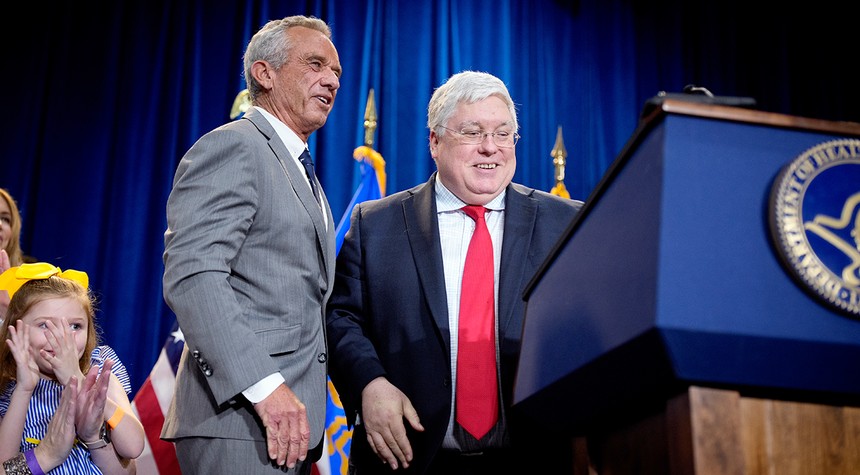
The timing is particularly striking. Kennedy selected Martinsburg, West Virginia as the destination for his first official trip as America’s healthcare chief in March, appearing alongside Morrisey to celebrate what the governor described as the birthplace of the MAHA movement. That symbolic gesture now appears premature, undermined by judicial activism from the federal bench.
Here are the facts: West Virginia’s legislature passed this ban through the democratic process. The governor signed it into law. Kennedy, leading the federal health apparatus, supported the state’s efforts to protect its citizens from potentially harmful additives. Yet a single federal judge has determined that chemical manufacturers possess superior claims to determine what West Virginians can consume.
This represents a troubling pattern. An Obama appointee, predictably enough, has intervened to protect large corporations against a state government attempting to exercise its police powers in service of public health. The irony is rich considering the left’s supposed commitment to fighting corporate power and championing public health measures.
Kennedy has spent his first year in the Trump administration’s second term working to reform America’s broken food system and address the chronic disease epidemic plaguing the nation. The statistics are undeniable: American children face unprecedented rates of obesity, diabetes, and other preventable conditions. European nations have already banned or restricted many of the same artificial additives that remain ubiquitous in American food products.
The question becomes whether states possess the authority to regulate food safety within their borders or whether federal judges can perpetually shield manufacturers from accountability. West Virginia attempted to answer that question by taking legislative action. Berger’s ruling suggests states must defer to corporate preferences.
Governor Morrisey’s enthusiasm during Kennedy’s March visit reflected genuine optimism that the MAHA movement could deliver tangible results for American families concerned about what their children consume. That optimism now confronts the reality of an entrenched system where judges appointed by previous administrations can unilaterally obstruct reform efforts.
The preliminary injunction means West Virginia cannot enforce its food dye restrictions while litigation proceeds. The manufacturers argued successfully that the ban would impose hardship on their operations. Apparently, the potential hardship facing West Virginia families who wish to avoid these additives merits less judicial consideration.
This case will likely proceed through additional legal challenges, but the immediate effect is clear: the MAHA agenda faces significant obstacles beyond mere legislative opposition. Federal courts remain a formidable barrier to state-level health reforms, particularly when corporate defendants can forum shop for sympathetic judges.
Kennedy’s mission to reform American food policy continues, but Wednesday’s ruling demonstrates that achieving meaningful change requires navigating not just political resistance but judicial roadblocks erected by the previous administration’s appointees.
Related: Carson Launches Education Initiative to Counter Marxist Influence in Schools