
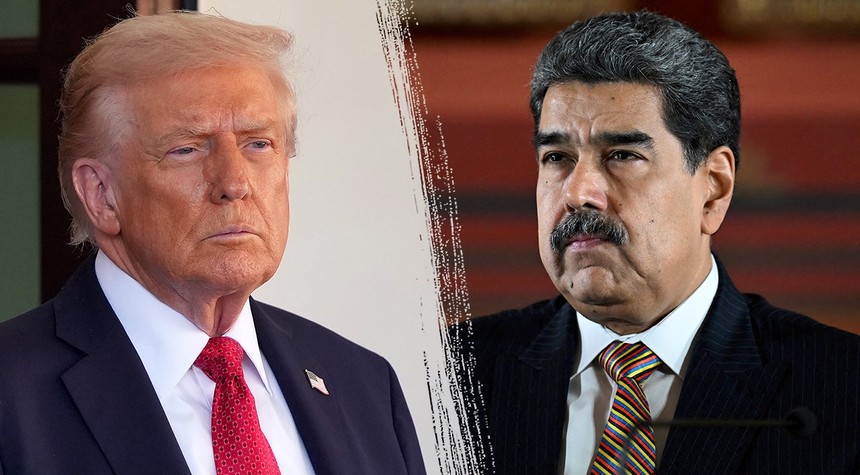
The Trump administration has escalated its confrontation with the Maduro regime to unprecedented levels, deploying what President Trump described as “the largest Armada ever assembled in the history of South America” to enforce a comprehensive naval blockade of Venezuelan oil tankers while simultaneously designating the Caracas government as a Foreign Terrorist Organization.
This is not symbolic posturing. This is strategic doctrine in action.
The facts are straightforward: Venezuela’s oil sector accounts for approximately 88% of the country’s export earnings. By targeting this revenue stream through both military enforcement and legal designation, the administration aims to eliminate the regime’s ability to fund its operations while addressing what the White House identifies as escalating threats from cartel-driven narco-terrorism and hostile foreign influence in America’s immediate security perimeter.
The newly released National Security Strategy explicitly positions the Western Hemisphere as central to American national security planning. While Venezuela is not mentioned by name in the document, the framework clearly identifies regional instability, mass migration, cartel activity, and foreign interference as direct challenges requiring immediate attention. The strategy is built on preventing large-scale migration, countering transnational criminal organizations, and ensuring regional stability sufficient to discourage the kind of chaos that produces migration crises at American borders.
This represents a fundamental reassertion of American interests in the hemisphere. The administration has invoked what it calls a “Trump Corollary” to the Monroe Doctrine, specifically designed to block hostile foreign powers from acquiring key assets or establishing strategic footholds in the region. This is not abstract foreign policy theory. This is recognition that instability 90 miles from Florida matters more to American security than conflicts on the other side of the globe.
A senior White House official characterized the Western Hemisphere chapter of the NSS as designed to “reassert American preeminence” through strengthened regional security partnerships, interdiction of drug flows, and elimination of migration pressures at their source. The logic is sound: address threats in the hemisphere before they reach American soil.
White House spokesperson Anna Kelly emphasized that the strategy reflects historic achievements in Trump’s return to office, noting the administration’s success in ending multiple conflicts, encouraging European defense spending, facilitating weapons sales to NATO allies, and negotiating more favorable terms for American interests globally.
The designation of Maduro’s government as a Foreign Terrorist Organization carries significant legal and financial implications. It authorizes additional sanctions, restricts financial transactions, and provides legal framework for aggressive enforcement actions. Combined with the naval blockade of sanctioned tankers, the designation creates a comprehensive pressure campaign targeting the regime’s survival mechanisms.
The Venezuelan government has survived previous sanctions through creative evasion, including ship-to-ship transfers, flag manipulation, and assistance from strategic competitors seeking to undermine American influence. The naval presence addresses these evasion tactics directly through physical interdiction capability.
Critics will inevitably claim this represents overreach or risks escalation. But the administration’s position rests on documented evidence of Venezuela’s role in regional destabilization, its cooperation with international criminal organizations, and its facilitation of mass migration that directly impacts American border security.
The question is not whether the United States has interests in preventing a failed narco-state in the Western Hemisphere. The question is whether previous administrations’ reluctance to act decisively allowed the problem to metastasize into the current crisis. The Trump administration has chosen confrontation over accommodation, pressure over patience.
Whether this strategy succeeds depends on sustained commitment and coordination with regional partners who share American concerns about Venezuelan instability. But the doctrine is clear: the Western Hemisphere is America’s immediate security perimeter, and threats within that perimeter will be addressed as national security priorities.
Related: State Department Targets Gulf Clan in Escalating War Against Latin American Drug Cartels