
A bipartisan group of senators has reportedly reached the final stages of negotiating a comprehensive healthcare cost reform package, but the effort now threatens to collapse over the same issue that has derailed countless legislative compromises: taxpayer-funded abortions.
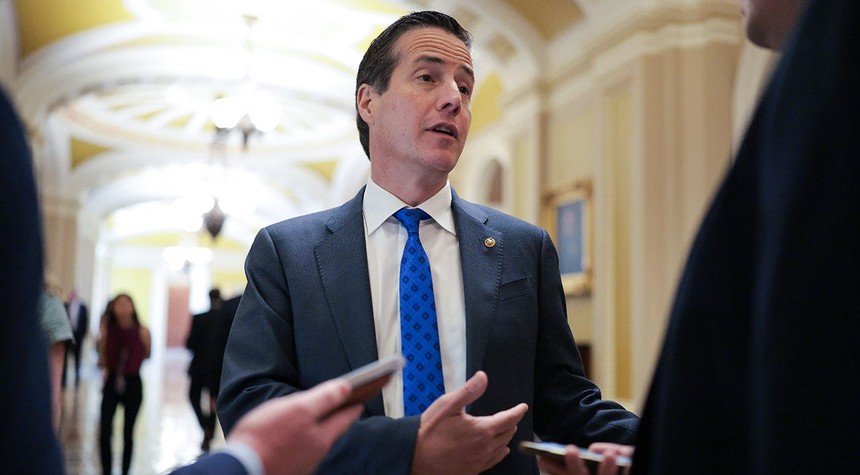
The working group, led by Sens. Susan Collins of Maine and Bernie Moreno of Ohio, has conducted multiple meetings since December, when competing partisan proposals to either extend or replace the expired enhanced Obamacare premium subsidies both failed to gain sufficient support. According to reports, the senators have begun circulating a rough framework of their plan to colleagues.
Here are the facts. Healthcare costs continue to rise at rates that burden American families. The enhanced subsidies that propped up Obamacare exchanges have expired, creating urgency for some legislative action. Both parties recognize the political necessity of addressing the issue before constituents feel the full impact at tax time next year.
But here is where the rubber meets the road. The Hyde Amendment, which has prohibited federal taxpayer dollars from funding abortions since 1976, remains the central sticking point. Senate Republicans are insisting on more stringent restrictions to ensure that any new healthcare subsidies or programs do not circumvent Hyde Amendment protections. This is not an unreasonable position. The Hyde Amendment represents a longstanding bipartisan consensus that taxpayers should not be compelled to fund procedures they may find morally objectionable.
Sen. Markwayne Mullin of Oklahoma praised President Trump’s approach to healthcare reform, specifically highlighting the president’s business background and understanding of the private sector’s role in healthcare delivery. This perspective matters because it underscores a fundamental philosophical divide. Republicans generally favor market-based solutions that empower private healthcare providers and preserve individual choice, while Democrats have consistently pushed for expanded government involvement in healthcare markets.
The current impasse reveals a deeper truth about American healthcare policy. Every major healthcare debate ultimately returns to first principles about the role of government, individual liberty, and the protection of life. Democrats have become increasingly unwilling to accept Hyde Amendment restrictions, viewing them as impediments to abortion access. Republicans, meanwhile, recognize that any compromise on taxpayer-funded abortion represents a betrayal of pro-life principles and the millions of Americans who oppose abortion on moral or religious grounds.
The question now becomes whether this bipartisan effort can overcome what has proven to be an insurmountable obstacle in previous negotiations. Collins, known for her willingness to cross party lines, and Moreno, a freshman senator with business credentials, face the challenge of bridging a gap that reflects fundamentally incompatible worldviews.
The stakes extend beyond healthcare costs. If this bipartisan effort fails, it will demonstrate once again that on the most contentious social issues, meaningful compromise remains elusive. Republicans must hold firm on Hyde Amendment protections. Taxpayers should not be forced to subsidize abortions through backdoor healthcare funding mechanisms, regardless of how the policy is packaged or marketed.
The coming weeks will reveal whether this working group can thread the needle or whether, as logic suggests, the abortion funding issue will once again prove to be the deal-breaker it has consistently been throughout modern American legislative history.
Related: Republican Lawmakers Demand Insurrection Act After Walz Vows to Block ICE Operations