
When Bad Ideas Wear a Tech-Savvy Disguise
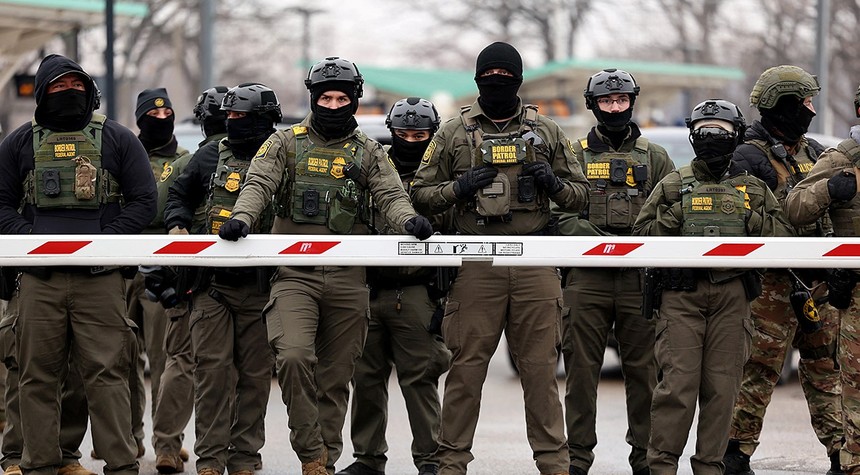
Rep. Ritchie Torres has found a creative new way to endanger federal law enforcement officers, and he’s wrapped it in the language of accountability. The Bronx Democrat is set to introduce the Quick Recognition Act next week, legislation that would mandate ICE and CBP agents wear uniforms embedded with QR codes. You know, those little square barcodes you scan at Applebee’s to see the dessert menu.
Except in this case, scanning the code wouldn’t get you a list of appetizers. It would pull up an agent’s name, badge number, and employing agency. Right there on your phone. In real time. While that agent is trying to enforce immigration law in the middle of civil unrest.
The White House didn’t mince words. They called it exactly what it is: a recipe for “widescale doxxing” that would encourage protesters to interfere with law enforcement operations. And they’re right.
Let’s Talk About What Accountability Actually Means
Torres frames this as transparency. As if the problem with immigration enforcement is that we just don’t know enough about the individual agents doing their jobs. But here’s the thing about actual accountability in law enforcement: it already exists. Badge numbers are visible. Chain of command is established. Complaint processes are in place, however imperfect.
What Torres is proposing isn’t accountability. It’s exposure. There’s a difference, and it matters.
Think about what happens when an angry crowd surrounds federal agents during a protest. Now imagine every person in that crowd can instantly access personal identifying information about those agents just by pointing their phone at a uniform. What do you think happens next? Does everyone go home and file thoughtful complaints through proper channels?
Or does that information end up on social media within minutes, shared thousands of times, with the agent’s home address and family photos showing up in the comments by nightfall?
The answer isn’t complicated.
We’ve Seen This Movie Before
The doxxing of law enforcement isn’t theoretical. It’s happened. During the riots of 2020, officers across the country found their personal information plastered online. Some had their homes vandalized. Families were threatened. And that was without a government-mandated QR code making the whole process easier.
Torres represents the Bronx, a district that deserves safe streets and functional immigration enforcement just like anywhere else. But this bill doesn’t serve his constituents. It serves the activists who want immigration law to be functionally unenforceable.
Here’s what’s particularly galling: ICE agents are already operating in one of the most hostile environments any federal law enforcement faces. They’re doing a job that half the country vilifies before they even put on the uniform. They enforce laws passed by Congress, laws that remain on the books whether progressives like them or not. And now a sitting congressman wants to make it easier for hostile actors to identify and target them personally.
The Quiet Part Out Loud
This isn’t about transparency. It’s about intimidation. Make the job dangerous enough, make the personal cost high enough, and maybe these agents will think twice before showing up to work. Maybe they’ll hesitate during enforcement actions. Maybe they’ll decide the paycheck isn’t worth their family’s safety.
That’s the goal. Don’t let the tech-forward packaging fool you.
There’s something deeply cynical about using modern technology to resurrect old tactics. Doxxing is just mob justice with better tools. And when you apply it to law enforcement, you’re not striking a blow for civil liberties. You’re undermining the rule of law itself.
Individual liberty requires order. Limited government still requires functional government. And free people need borders that mean something. None of that works when we treat federal agents like they’re the enemy for doing exactly what we hired them to do.
The Quick Recognition Act deserves a quick death. Some ideas are bad on their face, and no amount of progressive framing can change that. This is one of them.
Torres can dress this up however he wants. He can talk about accountability and transparency until he’s blue in the face. But at the end of the day, he’s proposing a system that would make it easier for angry mobs to target individual federal agents.
That’s not reform. That’s recklessness. And it’s exactly the kind of thing that happens when ideology runs so hot it burns through common sense.
Related: ICE Agent Dodges Death as Illegal Immigrant Turns Vehicle Into Battering Ram