
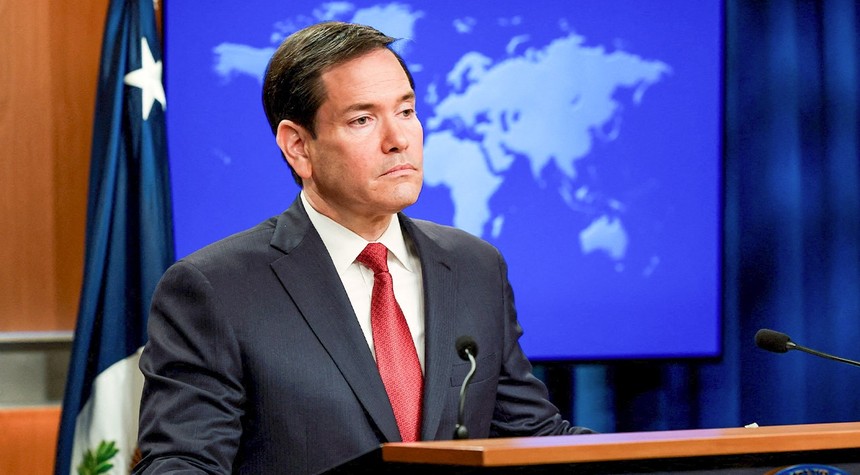
The Trump administration delivered a resounding message to the international community this weekend: American taxpayers will no longer subsidize a bloated system of global governance that delivers minimal returns and maximum inefficiency.
Secretary of State Marco Rubio issued a comprehensive memo declaring that the United States is “rejecting the outdated model of multilateralism,” a system that has transformed American citizens into unwitting financiers of what the State Department accurately describes as “a sprawling architecture of global governance.”
The facts are straightforward. President Trump’s recent executive order withdrawing the United States from 66 international organizations represents a logical conclusion to decades of fiscal irresponsibility and diplomatic overreach. These organizations have operated with overlapping mandates, duplicative actions, and questionable financial governance while American taxpayers footed the bill.
Rubio’s assessment is both accurate and overdue. The so-called international system has metastasized into hundreds of opaque organizations, many of which produce ineffective outputs while maintaining poor ethical standards. This is not diplomacy. This is bureaucratic waste on a global scale.
The administration’s position is clear: the era of writing blank checks to international bureaucracies has ended. This is not isolationism. This is fiscal responsibility combined with strategic clarity about American interests.
Consider the logical framework here. For decades, the United States has underwritten international organizations that often work against American interests, promote policies contrary to American values, and deliver questionable results at best. The burden of proof should rest on these organizations to demonstrate their value to American taxpayers, not on American taxpayers to justify why they should stop funding them.
The “America First” agenda that drives this policy is neither radical nor unprecedented. It is simply the application of basic principles: American foreign policy should serve American interests, American tax dollars should produce tangible benefits for American citizens, and American participation in international organizations should be contingent on those organizations serving their stated purposes effectively.
Critics will inevitably claim this withdrawal represents American retreat from global leadership. This argument inverts reality. True leadership requires the willingness to challenge failing systems and demand accountability. Continuing to fund ineffective organizations is not leadership. It is institutional inertia masquerading as diplomacy.
The State Department’s characterization of these organizations as having “overlapping mandates” and “duplicative actions” understates the problem. The international bureaucracy has become a self-perpetuating ecosystem where organizations justify their existence through activity rather than results, process rather than outcomes.
Rubio’s approach in the Middle East and Ukraine conflicts demonstrates the administration’s broader strategic thinking. American involvement in international affairs should be purposeful, limited, and directly tied to American interests. This is not complicated.
The withdrawal from these 66 organizations represents a necessary correction to decades of diplomatic drift. American taxpayers deserve better than funding organizations that deliver minimal value while operating with minimal transparency. The Trump administration is providing exactly that: a foreign policy grounded in American interests rather than international platitudes.
Related: Catholic Legal Group Asks Supreme Court to Strike Down California Gender Identity Secrecy Law