
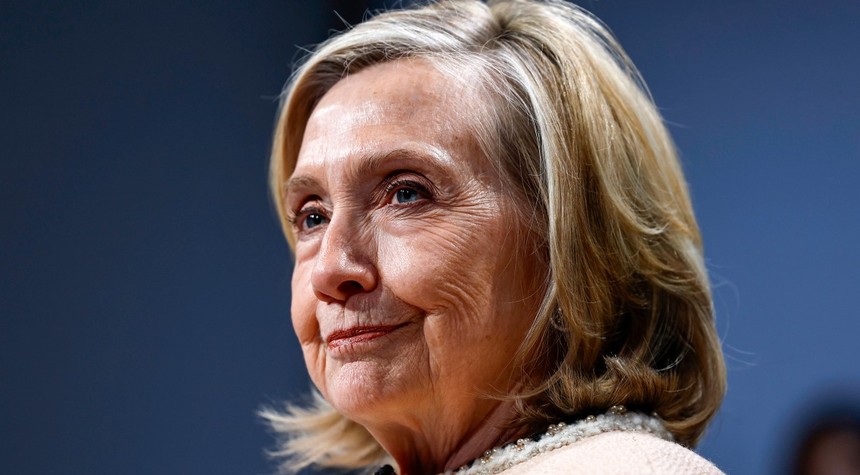
The House Oversight Committee conducted a closed-door deposition with former Secretary of State Hillary Clinton on Thursday as part of its ongoing investigation into deceased financier and convicted sex offender Jeffrey Epstein. The videotaped interview took place at the Clinton residence in Chappaqua, New York, with former President Bill Clinton scheduled for a similar deposition the following day.
Let us be clear about what transpired here. After months of legal maneuvering and what Committee Chairman James Comer has characterized as giving investigators “the runaround,” the Clintons finally sat down for questioning. This is not how innocent parties typically behave when congressional investigators come calling.
The timeline matters. The committee issued subpoenas in August. Initial depositions were scheduled for October. Those dates came and went. At one juncture, the committee threatened contempt of Congress charges against the former first couple for failing to comply with lawfully issued subpoenas. Only after that threat materialized did these depositions finally occur.
The Clintons offered to testify at a public hearing instead of closed-door depositions. On its face, this sounds transparent. But Comer correctly noted that standard committee practice involves conducting private interviews with witnesses before public hearings take place. This is basic investigative procedure. You gather facts privately, then present findings publicly. The Clintons, both seasoned lawyers, understand this perfectly well.
Their insistence on public testimony first appears less about transparency and more about controlling the narrative. Public hearings allow for political theater. Private depositions focus on facts and evidence. The committee appropriately insisted on following established protocols.
Neither Clinton has been accused of crimes related to Epstein, and both have denied any wrongdoing. These facts deserve acknowledgment. However, the question remains: why the months of resistance to what should have been straightforward cooperation with a congressional investigation?
The Epstein matter involves serious allegations of sex trafficking and abuse spanning decades. Multiple powerful individuals maintained connections to Epstein. Flight logs, visitor records, and financial transactions create a web of associations that demand scrutiny. Congressional oversight exists precisely for situations like this, where federal law enforcement may have failed and questions about accountability persist.
The Republican-led committee has a constitutional obligation to investigate potential government failures and connections to criminal activity. Whether one supported Hillary Clinton’s presidential campaign or celebrated her defeat by Donald Trump in 2016 is irrelevant to this investigation’s legitimacy.
What matters is whether government officials, past or present, had knowledge of or connections to Epstein’s criminal enterprise. What matters is whether any failures in prosecution or investigation occurred due to political influence. What matters is establishing a complete factual record.
The American people deserve answers about how a convicted sex offender continued operating in elite circles for years after his initial conviction. They deserve to know who knew what and when. Congressional oversight, despite its frequent descent into partisan warfare, remains a crucial check on power.
The depositions have now occurred. The committee will review the videotaped testimony. Facts will either emerge or they will not. But the months-long delay in reaching this point raises questions that the testimony itself must now address.
Related: Trump Declares Tariff Strategy Will Eliminate Income Tax Burden on Americans