
When Nobody’s Home
Here’s what accountability looks like after a four-year vacation. The Trump administration’s Small Business Administration just suspended more than 111,000 California borrowers tied to a jaw-dropping $8.6 billion in suspected fraud. That’s billion with a B. We’re talking about pandemic relief programs that were supposed to help struggling small businesses keep the lights on and workers employed, not fund a free-for-all for con artists.
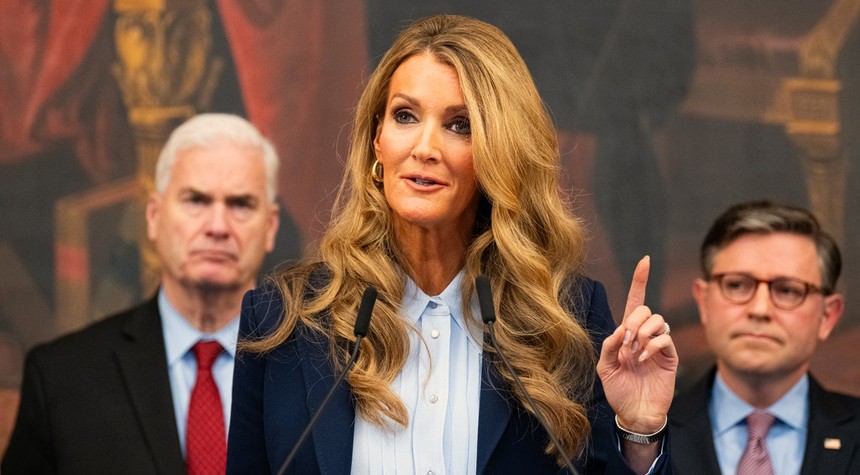
SBA Administrator Kelly Loeffler didn’t mince words Friday when she announced what amounts to the largest crackdown on pandemic program fraud in history. “This staggering number represents the most significant crack-down on those who defrauded pandemic programs, and it illuminates the scale of corruption that the Biden Administration tolerated for years,” she said.
Tolerated is a generous word. Ignored might be more accurate.
The numbers tell a story that should make every taxpayer’s blood boil. Those 111,620 suspended California borrowers received 118,489 loans through the Paycheck Protection Program and Economic Injury Disaster Loans. You know, the programs designed to be lifelines during COVID, not ATMs for scammers. PPP loans were meant to keep workers on payrolls when the economy ground to a halt. EIDL loans provided low-interest disaster relief so businesses could survive unprecedented shutdowns.
Both programs became playgrounds for fraud instead.
The Culture Problem Nobody Wants to Name
Loeffler didn’t dance around the obvious either. “Once again, the Trump SBA is taking decisive action to deliver accountability in a state whose unaccountable welfare policies have created a culture of fraud and abuse at the expense of law-abiding taxpayers and small business owners,” she said.
There it is. A culture of fraud and abuse. When you build systems without guardrails, when you prioritize speed over verification, when you treat taxpayer money like Monopoly cash, this is what you get. California’s approach to government programs has long been more concerned with appearing compassionate than being responsible. The result? Honest business owners who played by the rules watch billions flow to criminals who didn’t.
This isn’t just about California, though the Golden State’s numbers dwarf other regions. The SBA recently suspended nearly 7,000 Minnesota borrowers after finding hundreds of millions in suspected fraud there too. It’s a pattern. States with lax oversight and minimal accountability become magnets for this kind of theft.
And let’s be clear about what this money represents. Every dollar stolen from pandemic relief programs is a dollar some hardworking American earned and paid in taxes. It’s a dollar that could’ve helped a legitimate small business survive. It’s a dollar that might’ve kept someone employed during the worst economic crisis in generations.
Instead, it lined the pockets of fraudsters while bureaucrats looked the other way.
Where Were the Adults?
The question haunting this whole mess is simple: how did this happen? These weren’t sophisticated hackers breaking into Fort Knox. This was basic fraud on a massive scale, the kind that proper verification systems should’ve caught in real time. The previous administration rushed money out the door without adequate controls, then seemingly lost interest in whether any of it went to actual small businesses in actual need.
You can’t separate this from broader questions about government competence and priorities. We’re told constantly that we need more government programs, more federal intervention, more centralized control. But when the government can’t even prevent $8.6 billion in fraud in a single state from a single set of programs, maybe we should reconsider that premise.
Free markets work partly because they have built-in accountability. Lose money to bad decisions and you’re out of business. Government programs have no such mechanism. Lose billions to fraud and apparently you just wait for the next administration to notice.
The Path Forward
Credit where it’s due: the current SBA is actually doing something about this disaster. Suspending over 111,000 borrowers sends a message that fraud has consequences. Recovering stolen funds protects taxpayers. Holding people accountable restores some faith in the system.
But we need more than cleanup crews. We need fundamental reforms to how emergency programs get designed and administered. Speed matters during crises, sure. But speed without verification is just negligence with good intentions. The next pandemic or disaster will require federal assistance. That assistance needs guardrails strong enough to prevent another California-sized heist.
Law-abiding small business owners deserve better. Taxpayers funding these programs deserve better. And honestly, America deserves a government capable of distinguishing between helping people and getting robbed blind.
Related: Federal Crackdown Catches Hundreds of Truckers Who Can’t Read Road Signs in English