
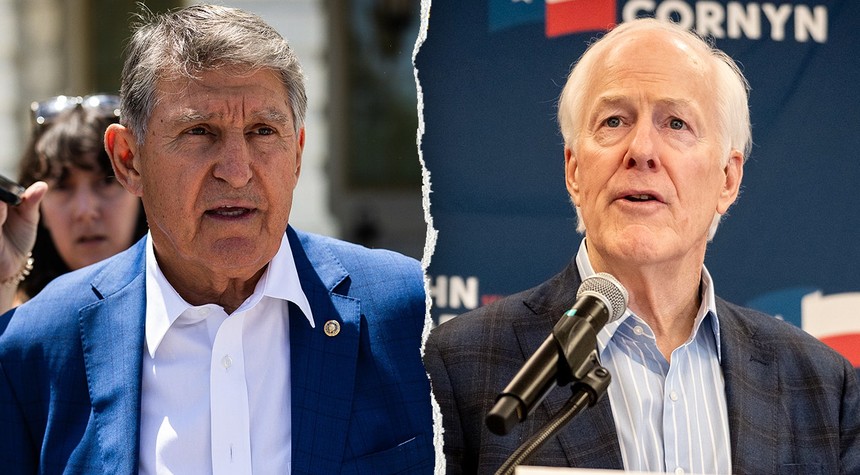
Joe Manchin isn’t known for pulling punches, and he certainly didn’t hold back when he took aim at John Cornyn this week. The former West Virginia senator, who spent years as a Democrat before going independent, blasted the Texas Republican for abandoning his supposed principles on the Senate filibuster. And honestly? The timing couldn’t look worse for Cornyn.
Here’s what happened. Cornyn, who’s currently fighting for his political life in a runoff against Texas Attorney General Ken Paxton, suddenly decided the filibuster isn’t so sacred after all. He penned an op-ed Wednesday calling on Republicans to ditch the 60-vote threshold to ram through the SAVE Act, a Trump-backed election bill that Democrats are united against. For a guy who spent years defending the filibuster as essential to the Senate’s deliberative nature, this represents a pretty spectacular about-face.
Manchin’s response was swift and cutting. “When I was a U.S. Senator, there was not another person more committed to keeping the filibuster than Senator John Cornyn,” he wrote on social media. The message dripped with the kind of disappointment you’d reserve for someone you thought actually meant what they said. Manchin reminded everyone that Cornyn understood the “incredible political pressure” he faced from Democrats to nuke the filibuster when they wanted total control. Back then, Cornyn got it. He understood why neither party should cross that Rubicon.
But that was then. Now Cornyn’s in a tight spot, and Ken Paxton is breathing down his neck. Paxton already came out supporting the end of the filibuster, and President Trump keeps hammering Republicans to either abolish the 60-vote rule or force a talking filibuster to get the SAVE Act passed. When you’re trying to win Trump’s endorsement in a Texas Republican primary, suddenly your long-held convictions start feeling awfully flexible.
The SAVE Act itself is designed to safeguard American voter eligibility, requiring proof of citizenship to vote in federal elections. Republicans argue it’s common sense. Democrats see it as voter suppression dressed up in patriotic language. The bill faces unanimous Democratic opposition, which means under current Senate rules it’s dead on arrival without 60 votes.
Cornyn tried to justify his flip by saying “when the reality on the ground changes, leaders must take stock and adapt.” That’s a fancy way of saying circumstances forced his hand. But let’s be real about what changed here. The policy didn’t change. The principles didn’t change. What changed was Cornyn’s electoral situation. He’s staring down a primary challenge from a Trump-aligned opponent in a state where the former president’s word carries enormous weight.
Manchin called it exactly what it is: “extreme election-year politics that put party power over everything else.” He’s not wrong. This is the kind of convenient position-switching that makes voters cynical about the whole enterprise. You can’t spend years lecturing about institutional norms and Senate traditions, then toss them overboard the moment they become inconvenient for your reelection campaign.
The filibuster debate cuts to the heart of how the Senate functions. It’s meant to force compromise, to prevent bare majorities from steamrolling the minority. Both parties have threatened to kill it when they’re in power and defended it to the death when they’re not. Republicans blocked Democrats from nuking it completely. Democrats did the same when Republicans controlled things. The hypocrisy runs both ways, sure, but that doesn’t make any individual case of flip-flopping less grating.
What makes this situation particularly rich is that Manchin actually stood his ground when it mattered. He took enormous heat from his own party, became a pariah to progressives, and eventually left the Democratic Party altogether rather than cave on the filibuster. Whether you agreed with him or not, the man was consistent. Cornyn? He held firm right up until holding firm became politically costly.
Trump and Senate leadership remain divided on the path forward. The president wants action now, consequences be damned. More cautious Republicans worry about what happens when Democrats inevitably regain power and use the same rules against them. It’s a legitimate concern, one Cornyn himself used to voice before his primary got complicated.
Manchin wrapped his criticism in broader frustration with the two-party system, arguing this kind of expedient flip-flopping is exactly why Americans are fed up with both Democrats and Republicans. He’s got a point. When principles become negotiable based on electoral calendars, people stop believing anyone stands for anything real.
Cornyn’s conversion may help him survive his primary. It might even earn him Trump’s blessing. But it cost him something else: the credibility to ever lecture anyone about institutional integrity again.
Related: Female Republican Candidates Challenge Democrats’ Grip on Women Voters