
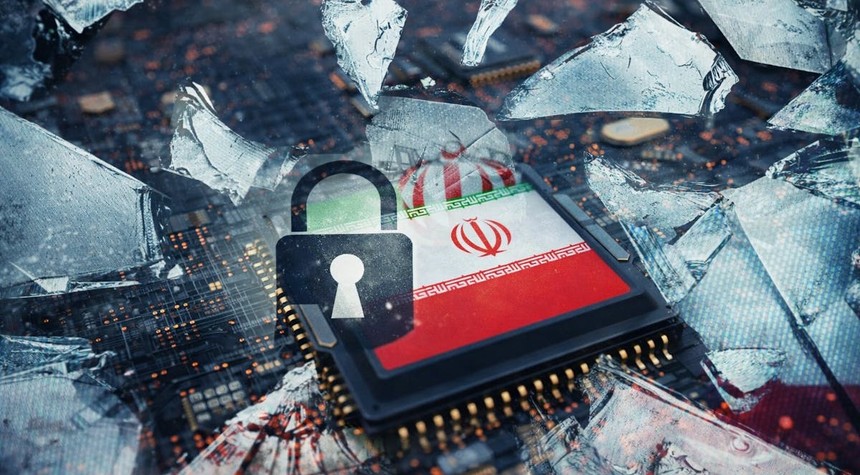
The Department of Justice dropped a hammer on Thursday that should’ve made bigger waves than it did. Four websites, all allegedly operated by Iran’s Ministry of Intelligence and Security, got seized in what amounts to a digital raid on foreign soil. And these weren’t just propaganda mills spouting the usual anti-American nonsense. These were operational platforms used for psychological warfare, data theft, and what the feds are calling transnational repression. That’s a fancy term for hunting dissidents across borders and ruining lives from behind a keyboard.
The domains in question read like a bad spy novel. Justicehomeland, Handala-Hack, Karmabelow80, and Handala-Redwanted. Each one served as the public face for what prosecutors say were Iranian intelligence operations masquerading as hacktivist groups. You know the type. They claim to be freedom fighters or digital vigilantes, but they’re actually state actors with government paychecks and marching orders from Tehran.
Here’s what makes this different from your garden-variety cyber mischief. These sites weren’t just defacing websites or stealing credit card numbers. They were leaking stolen data, publishing personal information of American citizens and journalists, and actively inciting violence against specific targets. That crosses a line from digital nuisance into genuine national security threat. When foreign intelligence services start doxxing Americans and calling for their heads, that’s not hacktivism. That’s terrorism with a Wi-Fi connection.
Attorney General Pamela Bondi didn’t mince words. “Terrorist propaganda online can incite real-world violence,” she said, and she’s absolutely right. We’ve spent two decades learning that lesson the hard way. The internet isn’t some consequence-free zone where bad actors get to play dress-up and pretend they’re something they’re not. When Iran’s intelligence ministry sets up shop online to target Americans, shutting them down isn’t censorship. It’s self-defense.
The FBI’s Baltimore Field Office led the investigation and what they uncovered reads like an instruction manual for modern warfare. Iranian operatives created this “Handala Hack” persona to claim credit for attacks and build street cred in the hacking community. It’s brilliant in a sinister way. You create a fake identity, attribute your government-sponsored attacks to this fictional group, and suddenly you’ve got plausible deniability while still getting to terrorize your enemies.
This is the new battlefield, and we’d better start taking it seriously. Iran isn’t alone in this game. Russia, China, North Korea, they’ve all figured out that you can wage war without firing a shot. You just need servers, stolen data, and enough technical skill to make life miserable for your adversaries. The cost-benefit analysis is irresistible for rogue regimes. For a fraction of what traditional military operations cost, they can sow chaos, undermine trust, and punish dissidents anywhere on the planet.
What bothers me most isn’t just that Iran was doing this. It’s that they felt comfortable enough to do it so openly. These weren’t hidden dark web sites accessible only through encrypted channels. They were regular domains, sitting there in plain sight, broadcasting their message to anyone who wanted to listen. That kind of brazenness tells you something about how they viewed the threat of consequences. Either they thought we wouldn’t notice or they didn’t think we’d do anything about it.
The seizure sends a message, but let’s be honest about the limitations here. Taking down four websites is like cutting four heads off a hydra. Tehran’s cyber apparatus isn’t going away because we grabbed some domain names. They’ll regroup, rebrand, and pop up somewhere else. That’s the nature of this fight. But it still matters. Every time we impose costs, every time we make it harder and riskier for them to operate, we’re defending American interests and American lives.
Related: The SAVE Act Has Democrats Panicking and Their Excuses Are Falling Apart