
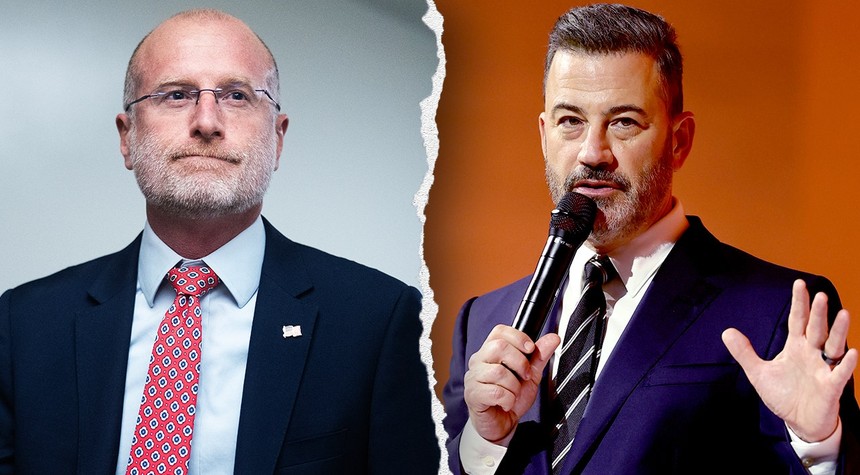
The Federal Communications Commission is about to do something it rarely does, and frankly, something it should have considered years ago. Disney’s broadcast licenses are getting called in for early review, possibly as soon as Tuesday. This isn’t routine. These licenses aren’t even close to their normal renewal dates. But after Jimmy Kimmel’s grotesque “expectant widow” crack about Melania Trump, FCC Chairman Brendan Carr apparently decided enough is enough.
Let’s be clear about what happened here. Kimmel made a joke suggesting the First Lady would soon be a widow, implying the President’s death. Not a policy critique. Not political satire. A tasteless, cruel shot at a woman and a thinly veiled death wish against a sitting president. You know what? There’s a line between edgy comedy and outright malice, and Kimmel sprinted past it without looking back.
The response from President Trump and Melania Trump was swift. They called for his termination. Some might clutch their pearls at that, crying about free speech and government overreach. But here’s the thing everyone seems to forget when defending this garbage: broadcast licenses exist precisely because the airwaves belong to the public. Disney doesn’t own them. They lease them. And that lease comes with responsibilities, chief among them operating in the public interest.
Disney-owned ABC affiliates will now have to prove to Carr that they’ve been doing exactly that. It’s an unprecedented move, sure. But unprecedented isn’t the same as unwarranted. For years, major broadcast networks have enjoyed a cozy relationship with regulators, skating by on renewals that were essentially rubber stamps. Meanwhile, they’ve used public airwaves to push increasingly partisan content masquerading as entertainment.
The entire late night television landscape has morphed into something unrecognizable from what it once was. Johnny Carson made fun of presidents, absolutely. So did Jay Leno. But there was a baseline of respect, a recognition that comedy shouldn’t cross into cruelty or advocacy for harm. Today’s hosts, Kimmel included, have abandoned that standard entirely. They’re not comedians anymore. They’re activists with laugh tracks.
According to Semafor, which first reported the story, the FCC might also decide to stop receiving certain content and promotional communications from Disney. That detail matters more than it sounds. It signals a fundamental breakdown in the relationship between a major broadcaster and its federal regulator. When you lose that working rapport, when the government agency responsible for your license renewal won’t even take your calls, you’ve got a serious problem.
Critics will scream about the First Amendment. They always do. But nobody’s talking about throwing Kimmel in jail or shutting down ABC permanently. We’re talking about asking hard questions during a license review. Questions like: Does your programming serve the public interest? Have you maintained basic standards of decency? Are you using public resources responsibly?
Those aren’t radical questions. They’re the bare minimum we should expect from an agency tasked with overseeing broadcast media. The real scandal isn’t that the FCC is finally asking them. It’s that they’ve gone so long without doing so.
This isn’t about silencing dissent or punishing political opponents. It’s about accountability. Disney operates some of the most powerful media platforms in America. They reach millions of households daily through broadcast signals they don’t own but merely license from the American people. With that privilege comes responsibility. And when one of your marquee personalities suggests on air that the First Lady will soon be widowed, you’ve failed that responsibility spectacularly.
The market will sort some of this out naturally. Kimmel’s ratings have been sliding for years. Viewers are tired of being lectured and harangued when they just want to laugh before bed. But the market moves slowly, and in the meantime, public airwaves continue getting abused.
Chairman Carr seems to understand something his predecessors forgot: regulatory authority exists for a reason. Not to micromanage content or pick winners and losers, but to ensure that companies using public resources actually serve the public. That’s not censorship. That’s stewardship.
Disney will likely survive this review. They’ve got armies of lawyers and consultants ready to demonstrate compliance with every regulation on the books. But the process itself matters. It sends a message that actions have consequences, that decency still counts for something, and that the public airwaves aren’t a playground for partisan hacks who’ve traded punchlines for propaganda.
Related: Bongino Reveals How He Caught FBI Insiders Feeding Stories to the Press