
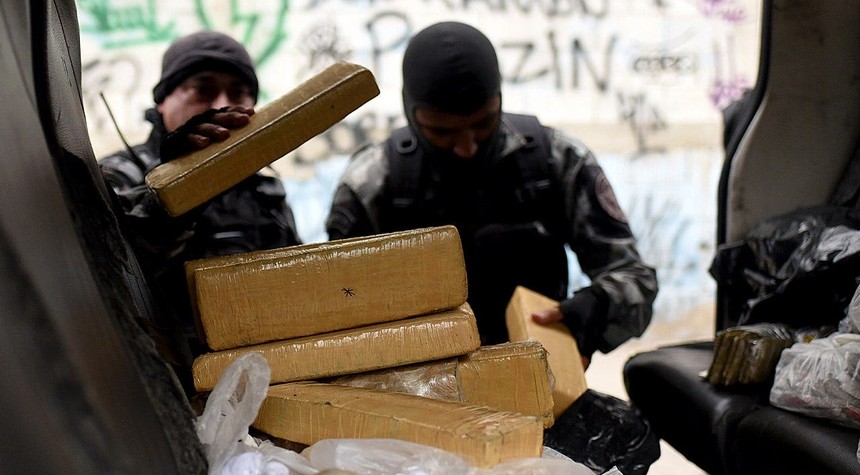
The Trump administration just did something that should have happened years ago. Two of Brazil’s most violent drug cartels, First Command of the Capital (PCC) and Red Command (CV), are now officially designated as foreign terrorist organizations. Let that sink in for a moment. These aren’t just street gangs dealing drugs on corners. We’re talking about syndicates with more than 50,000 members combined, operating sophisticated networks that pump poison into American communities while destabilizing an entire region.
The designation as Specially Designated Global Terrorists isn’t symbolic window dressing. It’s a declaration that changes everything. These groups can now be targeted with the full weight of American intelligence capabilities, financial sanctions, and military resources. Their assets get frozen. Their associates get cut off from the international banking system. Anyone doing business with them faces serious consequences. This is how you actually fight transnational crime instead of just talking about it at conferences.
You know what’s remarkable? How long it took to get here. Previous administrations watched these cartels grow into paramilitary forces with better equipment than some national armies. They saw the violence spill across borders, watched cocaine production in South America surge to record levels, and basically shrugged. The bureaucratic inertia was staggering. Meanwhile, American families buried loved ones who overdosed on drugs that traveled through networks these very organizations controlled.
The PCC and CV aren’t your grandfather’s crime families. They’ve evolved into something far more dangerous. They control prisons from the inside, run international smuggling routes, and have turned parts of Brazil into war zones where the rule of law barely exists. They’ve corrupted officials, intimidated judges, and built parallel governance structures in communities the government abandoned. When criminal organizations start looking like insurgencies, maybe it’s time to treat them accordingly.
This move fits into a broader strategy we’re seeing play out across Latin America. The administration is also working with Ecuador, providing military and intelligence support to combat the drug violence that’s turned that country into a major cocaine exporter. It’s about reasserting American influence in our own hemisphere, something we’ve neglected while chasing problems on the other side of the world. Sometimes the most pressing national security threats aren’t hiding in caves overseas. They’re operating in plain sight just south of our border.
Critics will complain about overreach or militarization of drug policy. They always do. But here’s the blunt truth: the soft approach failed spectacularly. Community outreach programs and harm reduction strategies have their place, but they don’t stop organizations that move tons of cocaine, bribe entire police departments, and murder anyone who gets in their way. You can’t negotiate with groups whose business model depends on addiction and violence.
The designation takes effect June 5, and it matters because it shows resolve. It demonstrates that America will use every tool available to protect its citizens from threats that don’t respect borders or international norms. These cartels have declared war on civil society. It’s past time we acknowledged that reality and responded appropriately. The question isn’t whether this approach is too aggressive. The question is why it took so long to recognize what was obvious to anyone paying attention.
Related: The Newark Immigration Standoff Reveals Everything Wrong With Sanctuary City Politics