
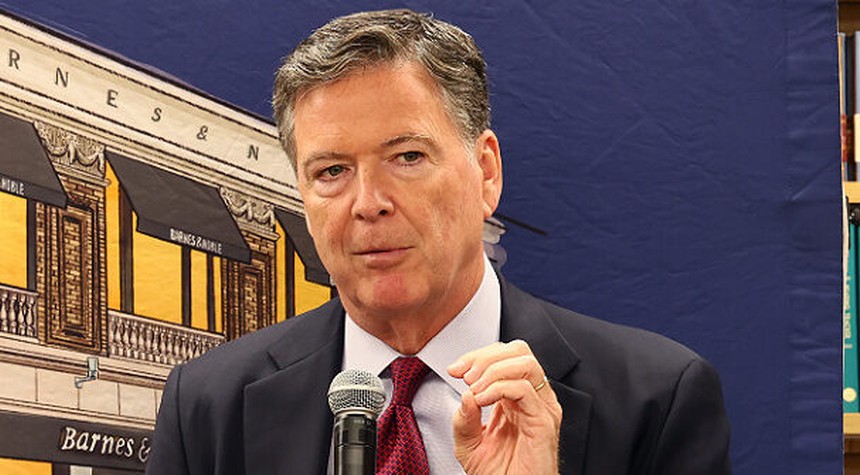
The Department of Justice isn’t done with James Comey. Not by a long shot. Federal prosecutors in the Eastern District of Virginia are revving up another investigation into the former FBI director, this time focusing on his alleged leak of classified information to a Columbia University law professor. If you’re keeping score at home, this would be the third indictment against Comey since last fall. Three strikes, as they say.
Bloomberg Law broke the story, reporting that the same office that stumbled in its initial criminal case against Comey for making false statements to Congress has dusted itself off and come back swinging. They’re zeroing in on those documents Comey handed over to Daniel Richman, his longtime friend and confidant. You remember Richman, right? The guy who served as Comey’s personal messenger service to the press after President Trump fired him in 2017.
Acting Attorney General Todd Blanche has been holding active meetings about the case, according to two sources familiar with the matter. Whether prosecutors will actually present an indictment to the grand jury in Eastern Virginia remains an open question. But the fact that these conversations are happening at all tells you something important. The DOJ sees enough smoke here to keep digging for fire.
Here’s what really gets me about this whole saga. Comey positioned himself as the moral compass of Washington. He wrote a book called “A Higher Loyalty” for crying out loud. He went on television, did the interview circuit, accepted speaking fees, and lectured everyone about ethics and integrity. Meanwhile, he’s facing his third potential indictment for actions that allegedly violated the very principles he claimed to uphold.
The irony is thick enough to cut with a knife. This is a man who ran the premier law enforcement agency in the United States. He knew the rules. He understood classification protocols better than almost anyone in government. Yet here we are, watching prosecutors examine whether he played fast and loose with sensitive information because he had an ax to grind with a president who fired him.
Think about what that means for a second. The head of the FBI, entrusted with protecting national security secrets, potentially compromising classified material because of personal grievances. That’s not whistleblowing. That’s not speaking truth to power. That’s revenge dressed up in self-righteousness.
The previous indictments haven’t stuck yet, which gives Comey’s defenders plenty of ammunition. They’ll say this is political persecution, a vendetta, the weaponization of justice. But you know what? Maybe the reason prosecutors keep coming back is because there’s actually something there. Maybe the first case didn’t land because they aimed at the wrong target, not because Comey’s hands are clean.
Federal prosecutors don’t typically waste their time on frivolous cases. They’ve got limited resources and endless caseloads. The fact that they’re pursuing this third avenue suggests they believe Comey crossed a line that matters. The classified leak angle is particularly serious because it goes straight to the heart of what an FBI director’s job actually is: protecting sensitive information, not distributing it to law professors who then funnel it to reporters.
This whole episode reinforces something conservatives have been saying for years. The administrative state operates under different rules than the rest of us. Powerful bureaucrats like Comey can orchestrate media campaigns, leak strategic information, and position themselves as heroes while regular Americans would face immediate prosecution for far less. The two-tiered justice system isn’t a conspiracy theory when you can watch it play out in real time.
Whether this third investigation results in an indictment remains to be seen. But the message is already clear. James Comey’s reputation as Washington’s Boy Scout has taken hit after hit, and the Justice Department isn’t finished examining his conduct. Sometimes the people who talk the loudest about integrity are the ones who need the reminder most.
Related: Trump Demands Louisiana Voters Fire Bill Cassidy Over Surgeon General Blockade