
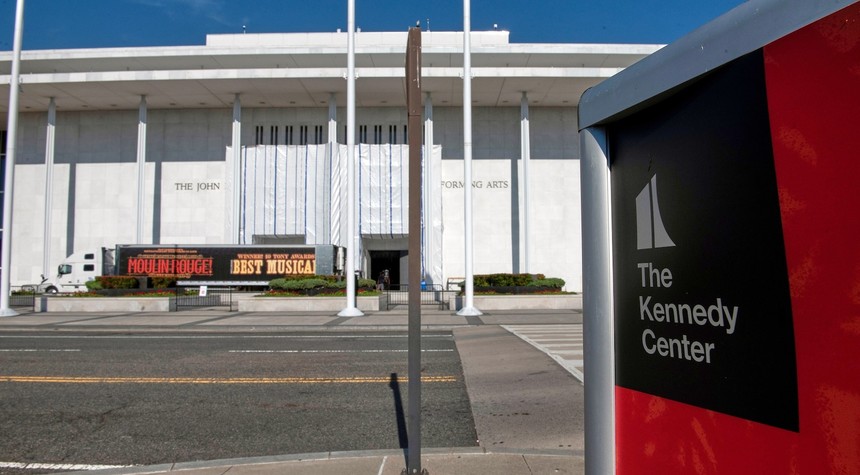
A federal judge just handed the Kennedy Center’s board a lesson in what fiduciary responsibility actually means, and honestly, it’s about time someone did.
Judge Christopher Cooper didn’t mince words last month when he blocked the Kennedy Center from shuttering its doors for a full renovation. His ruling made clear that the board had essentially rubber stamped a proposal without doing the hard work of actually governing. You know what that sounds like? It sounds like every bloated institution that’s forgotten its purpose and started operating on autopilot.
Now the Kennedy Center sits in administrative purgatory. Late Friday, officials filed an update saying they’re still weighing options, including staying open during construction. But here’s the kicker: no programming has been scheduled. None. The performing arts center that’s supposed to be a crown jewel of American culture can’t even tell you what’s happening next month.
This isn’t just about concert halls and theater seats. It’s about accountability, something conservatives have been hammering on for decades while watching federal institutions operate like private fiefdoms. The Kennedy Center receives millions in taxpayer dollars every year. That comes with obligations, not just opportunities to close up shop whenever renovations seem convenient.
Cooper’s decision also ordered the Trump administration to remove President Donald Trump’s name from the facility, which frankly feels like a separate issue entirely but tells you everything about how politicized even our cultural institutions have become. Can we have one building in this country that isn’t a battleground?
The board’s failure here is instructive. These weren’t malicious actors trying to destroy anything. They were probably well-meaning people who got lazy, who trusted staff presentations without asking tough questions, who nodded along because dissent felt uncomfortable. That’s how institutions decay from the inside. Not through dramatic collapse but through quiet abdication of responsibility.
Limited government doesn’t mean no oversight. It means smart oversight. It means boards that actually board, officials who actually officiate, and fiduciaries who take that duty seriously. The Kennedy Center’s leadership apparently forgot this basic principle.
What makes this particularly galling is the timing. They planned to wind down programming through the spring and close early next month. That’s not a thoughtful transition. That’s scrambling. That’s the kind of rushed timeline that suggests either incompetence or an attempt to avoid scrutiny. Cooper saw through it.
The performing arts matter. They’re part of what makes civilization worth defending. But institutions that house the arts aren’t exempt from the same standards we’d apply to any organization handling public trust and public money. Actually, they should be held to higher standards because culture is too important to leave in the hands of rubber stampers.
So now what? The board says it’s considering options. Wonderful. Perhaps this time they’ll actually consider them instead of just approving whatever memo lands on their desk. Perhaps they’ll remember that governance isn’t a ceremonial position. Perhaps they’ll do the job they signed up for.
The Kennedy Center deserves better stewardship. American taxpayers deserve better accountability. And audiences who love the performing arts deserve to know whether they can actually plan to attend anything in the coming months. Right now, nobody knows. That’s not a renovation plan. That’s institutional failure dressed up in construction permits.
Related: Trump Mocks Meloni Again as Italy Refuses War Support and Alliance Frays