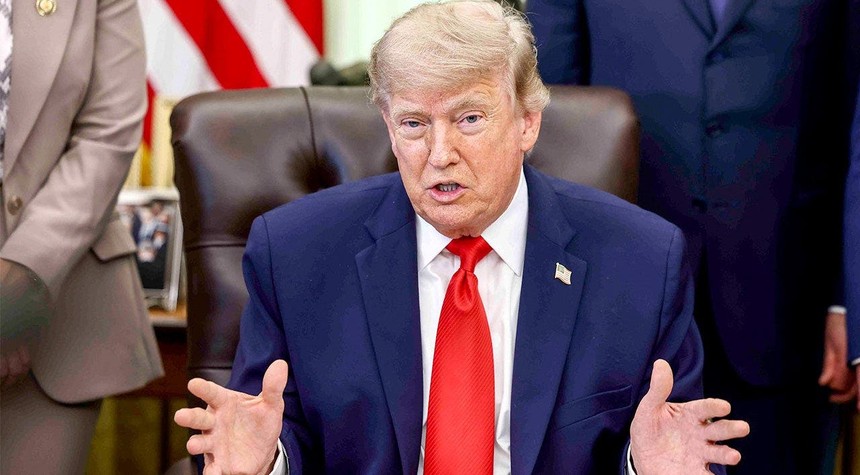
There’s something almost painfully revealing about watching Donald Trump go after Giorgia Meloni on social media. Here’s a woman who should be one of our strongest allies in Europe, a conservative leader who shares many of our values, and the president is spending his Saturday morning posting about how she desperately wanted a photo with him at the G7. She says he made it up. He says she begged. And honestly? The whole spectacle misses the actual story.
The real issue isn’t whether Meloni asked for a picture. The real issue is that when America needed Italy’s help during the war with Iran, they said no. They denied us access to runways and landing strips in Sicily. Let that sink in for a moment. We’re talking about a country that we’ve defended, supported, and stood beside for decades, and when push came to shove, they wouldn’t let our planes refuel on their soil.
Trump called it “a great logistical inconvenience,” which might be the understatement of the year. When you’re running military operations against a regime like Iran, logistics aren’t just details. They’re everything. Every mile matters. Every minute counts. And Italy, along with NATO more broadly, decided to sit this one out.
You know what’s fascinating about this whole mess? It reveals the quiet rot that’s been eating away at our alliances for years. We’ve been told over and over that NATO is essential, that our European partnerships are sacred, that we need these relationships to maintain global order. But when it actually matters, when American forces need tangible support to prevent Iran from getting nuclear weapons, suddenly everyone’s got cold feet.
Meloni’s popularity is tanking back home, and Trump’s right to point that out. Italian voters are watching their leader refuse to back the country that’s been their security guarantor since World War II. That’s not a small thing. It sends a message about priorities and courage, or the lack thereof.
The Guardian reported back in March that Italy denied use of that Sicilian air base for planes carrying weapons bound for Iran operations. That’s not passive neutrality. That’s active obstruction. There’s a difference between not wanting to send your own troops and literally blocking your ally from using facilities on your territory.
Trump’s approach might seem petty to some people. The photo comments, the social media jabs, the public mockery. But there’s a method here. He’s making it uncomfortable for leaders to smile for cameras at summits while stabbing us in the back on actual policy. Previous administrations would’ve let this slide, issued some diplomatic statement, moved on. Trump’s forcing the conversation into the open.
And that conversation matters because it’s not just about Italy. It’s about what American leadership means when our so-called partners won’t stand with us. We spend billions defending Europe. We maintain bases across the continent. We’ve structured our entire defense posture around protecting these allies. What exactly are we getting in return?
Meloni told reporters she was “astonished” by Trump’s behavior. She doesn’t understand why the president treats allies this way. Maybe the question should be flipped. Why do our allies think they can take our protection while refusing our requests? That’s the real astonishment here.
The Iran war exposed something crucial about modern alliances. They’re transactional when it suits our partners and sacred when they need something from us. That’s not a partnership. That’s exploitation dressed up in diplomatic language.
Related: Federal Judge Forces Biden’s Hand on Ghostwriter Recordings While Democrats Cry Privacy