
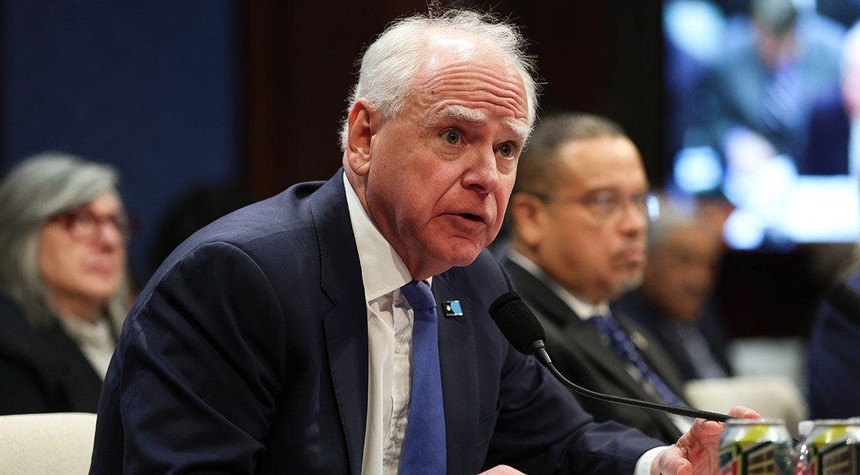
Here’s what should terrify every American taxpayer. A new congressional report just confirmed what whistleblowers have been shouting from the rooftops for years: Tim Walz’s administration in Minnesota watched fraud happen in real time, had the power to stop it, and chose not to act. We’re talking about $300 million in stolen federal nutrition funds and potentially $9 billion in fraudulent Medicaid billing. That’s billion with a B.
The 205-page House Oversight Committee report released Monday reads like a case study in government negligence. Nearly 30 whistleblowers came forward, some claiming they faced retaliation for doing exactly what public servants are supposed to do: protect taxpayer money. These weren’t low-level bureaucrats either. Fraud warnings climbed all the way to the most senior levels of Minnesota’s government. And what happened? Nothing. Payments kept flowing to high-risk entities long after credible signs of fraud emerged.
You know what’s really galling? The reason behind the inaction. Congressional investigators found that concerns about potential racial discrimination claims, not actual legal constraints, contributed to the Walz administration’s decision to keep writing checks to suspected fraudsters. Let that sink in. They were more worried about optics and potential lawsuits than about billions of dollars walking out the door.
The Feeding Our Future nonprofit case exemplifies everything wrong here. This outfit ran a constellation of fake meal sites that were supposed to feed hungry children during COVID-19. Instead, it became one of the largest pandemic fraud schemes in the country. Walz allegedly knew about problems with this organization early on, yet the money kept flowing. Federal prosecutors eventually charged multiple people, but only after $300 million had already vanished.
Think about the broader implications for a moment. We’re living through an era where government spending has exploded, where every crisis becomes an excuse to open the federal checkbook wider. What Minnesota shows us is that the real crisis isn’t just how much we spend but how little oversight exists once that money leaves Washington. Limited government isn’t just a philosophical preference. It’s a practical necessity when the alternative is bureaucrats who can’t or won’t protect the public purse.
The Medicaid angle is even more staggering. Nine billion dollars in potentially fraudulent billing. Even if that estimate from federal prosecutors is high, even if Walz administration officials are right to dispute it, we’re still talking about astronomical sums. This isn’t rounding error territory. This is enough money to fund entire state budgets.
House Oversight Committee Chairman James Comer has now asked Vice President JD Vance to scrutinize fraud prevention deficiencies in Minnesota’s social services programs. That’s the right move. The Trump administration has made cracking down on pandemic-era fraud a priority, and Minnesota deserves intense federal attention.
What happened in Minnesota under Walz’s watch represents everything conservatives have warned about when government grows too large and accountability mechanisms fail. Individual liberty depends on limited government, and limited government requires fierce protection of taxpayer resources. When officials prioritize political considerations over their basic duty to stop fraud, they betray every person who pays taxes and expects competent stewardship in return.
The whistleblowers who came forward despite facing potential retaliation deserve recognition. They understood something fundamental: public service means serving the public, not protecting your political future or your administration’s reputation.
Related: Garden State’s Dirty Secret Shows Noncitizens Voted in Multiple Elections