
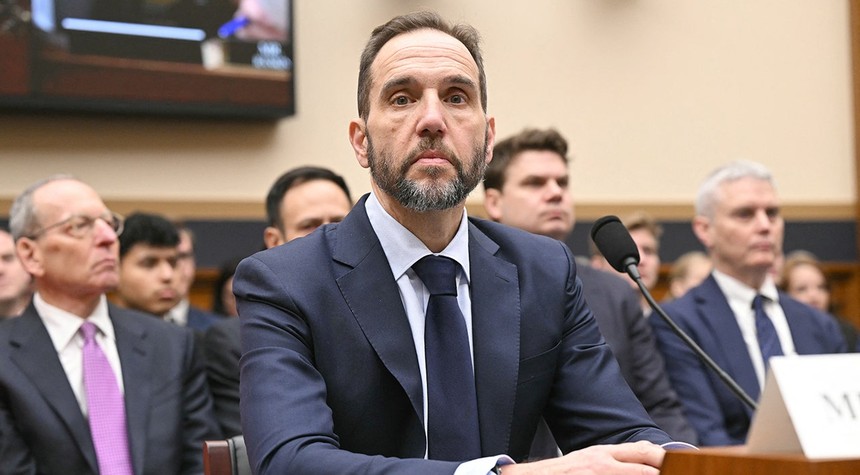
There’s a certain poetic justice when the prosecutor becomes the prosecuted. Jack Smith, the former special counsel who spent years chasing Donald Trump with the full weight of the federal government behind him, now finds himself on the receiving end of a criminal referral. House Judiciary Chairman Jim Jordan isn’t playing games anymore. He’s asking the Justice Department to examine whether Smith lied to Congress about reading lawmakers’ text messages during his investigation.
The facts are straightforward enough. Smith testified before Jordan’s committee that he didn’t obtain or review text messages from members of Congress. Newly released records suggest otherwise. That’s not a minor discrepancy or a matter of interpretation. If Jordan’s assessment holds up, Smith deliberately misled Congress about the scope of his surveillance activities. You know what that sounds like? Obstruction. The very thing Smith spent his career prosecuting others for allegedly doing.
Jordan’s letter to acting Attorney General Todd Blanche pulls no punches. “All individuals have an obligation to comply with a duly authorized congressional inquiry,” he wrote. “Mr. Smith, a former public servant, is no different.” It’s a simple principle that somehow gets forgotten when the political winds shift. When you’re testifying before Congress, you tell the truth. Period. It doesn’t matter if you think your cause was righteous or if you believed Trump deserved every bit of scrutiny you threw at him.
The implications here run deeper than one prosecutor’s potential perjury. We’re talking about a special counsel who may have been reading private communications between elected representatives of the American people. Let that sink in for a moment. The executive branch, through Smith’s office, potentially collected and reviewed text messages from members of the legislative branch. That’s not just prosecutorial overreach. That’s a separation of powers crisis wrapped in a constitutional nightmare.
Smith built his reputation as a dogged investigator who wouldn’t back down from powerful targets. Fair enough. But the rule of law cuts both ways, and nobody gets to lie to Congress just because they think their investigation was important. The same standards Smith applied to others now apply to him. If he misled Congress intentionally, he should face the same prosecutorial scrutiny he dished out for years.
The timing matters too. Smith’s testimony came in January, just weeks after Trump returned to office. Republicans had finally gained the power to demand answers about the investigations that consumed Trump’s presidency and derailed his first term. Smith showed up, raised his right hand, and gave testimony that now appears contradicted by documentary evidence. Was he betting that nobody would dig deep enough to catch the discrepancy? Or did he simply believe his own immunity from consequences?
Jordan’s referral represents more than political payback, though critics will certainly frame it that way. This is about accountability for those who wield prosecutorial power. If Smith did mislead Congress about spying on lawmakers, that’s not a partisan issue. That’s a fundamental breach of trust that should concern anyone who values constitutional governance and limited government power.
The Justice Department now faces a decision. Will they investigate one of their own with the same vigor Smith showed investigating Trump? That’s the real test here. Equal justice under law isn’t just a phrase carved into marble. It’s supposed to mean something.
Related: Jamie Metzl Breaks Ranks to Call Out the Radical Threat Consuming His Own Party