
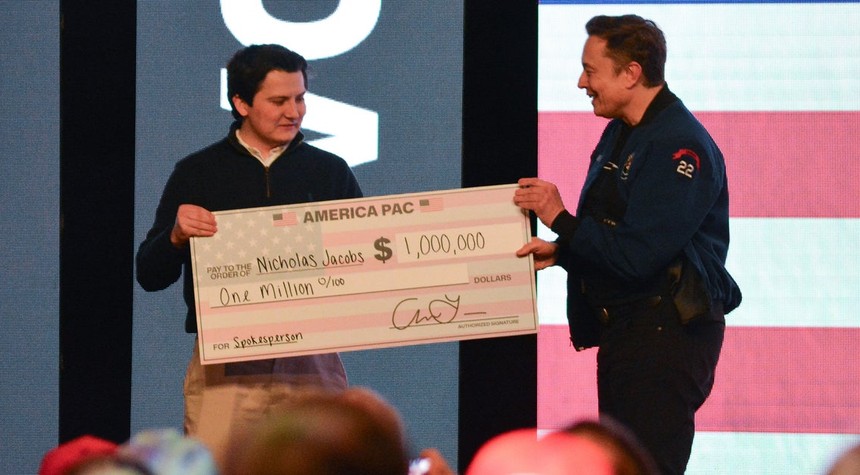
Here we go again. Another day, another attempt to drag Elon Musk through the legal mud for having the audacity to engage voters in a way that actually gets their attention. The Wisconsin Elections Commission just voted 5-1 to refer complaints against Musk to the Brown County District Attorney, claiming his million-dollar giveaways might have violated state election bribery laws. And honestly? This whole spectacle says more about our broken political establishment than it does about Musk.
Let’s cut through the noise here. Musk’s political action committee offered cash prizes to people who signed petitions supporting causes his group believes in. You know what that sounds like? Marketing. Creative, effective marketing that made people pay attention to civic engagement instead of scrolling past it like every other forgettable campaign ad.
The commission found “probable cause” that Musk violated a state law making it illegal to offer anything of value to induce someone to vote. But here’s where this gets interesting. He wasn’t paying people to vote for specific candidates. He was compensating them for signing petitions, which is about as American as apple pie and town hall meetings. Political groups have been finding creative ways to boost engagement since the founding fathers were still arguing about the Constitution.
Think about what campaigns actually do every single day. They offer free food at rallies. They hand out t-shirts and bumper stickers. They bus people to polling places. They organize phone banks with pizza and beer. Are we really going to pretend that Musk’s approach is fundamentally different, or are we just upset because he did it better and with more zeros attached?
The establishment hates disruption. Always has, always will. When someone like Musk comes along and refuses to play by the unwritten rules of political theater, the system mobilizes to crush the threat. It’s not about protecting election integrity. It’s about protecting the status quo, the carefully managed world where only approved players get to innovate in the political space.
Wisconsin’s move here reeks of selective enforcement. Where’s the outrage over union groups offering members incentives to show up at political events? Where are the investigations into advocacy organizations that provide transportation, meals, and childcare to boost turnout for causes they support? The silence is deafening because those activities serve the right people, the connected people, the people who understand how the game is supposed to be played.
What really bothers the powers that be is that Musk backed President Trump and threw his considerable resources behind causes that don’t align with the progressive agenda dominating most institutional spaces. If he’d been offering prize money to sign petitions supporting left-wing Supreme Court candidates, we’d be reading glowing profiles about innovative civic engagement instead of criminal referrals.
Brown County District Attorney David Lasee now has to decide whether to pursue charges. Smart money says he’ll take a long, hard look at the actual law and realize this case is weaker than gas station coffee. The statute targets direct vote buying, not creative petition drives. Any competent defense attorney would shred this in court, and Lasee knows it.
The real crime here isn’t what Musk did. It’s how our election laws have become weapons for partisan warfare instead of guardrails for fair competition. We’ve created a system where innovation is suspicious, where success is punished, and where anyone who colors outside the lines gets investigated. That’s not how free societies are supposed to work.
Musk will survive this. He’s got resources and lawyers that can tie up Wisconsin bureaucrats for years if needed. But the chilling effect on political participation? That damage is already done. Every entrepreneur and innovator watching this circus just learned that bringing fresh ideas to civic engagement means risking legal hell. Mission accomplished, establishment. Mission accomplished.
Related: Justice Kagan Faces Ethics Investigation Over Climate Case Bias Claims