
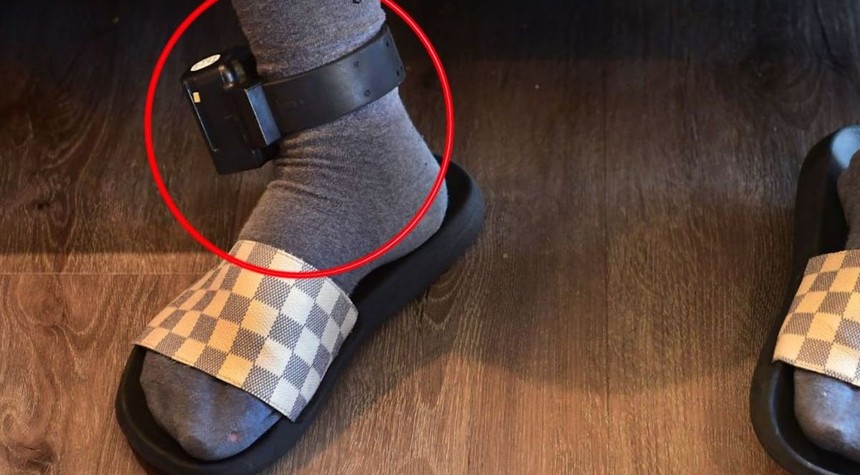
The ankle monitors are going on, and they’re going on fast. Federal immigration agents have started summoning Haitian migrants who just lost their legal protections, fitting them with GPS tracking devices while the Trump administration ramps up what could become one of the largest deportation efforts in recent memory. This isn’t some fringe operation. We’re talking about roughly 350,000 people who woke up one day to find their Temporary Protected Status had vanished after the Supreme Court gave the green light to end the program.
For more than a decade, these Haitian nationals lived legally in America. They worked jobs, paid taxes, built lives. TPS wasn’t some loophole or administrative trick. It was a legitimate federal program designed to shield people from deportation when their home countries faced disaster or instability. But the Supreme Court’s decision changed everything overnight, and now the Department of Homeland Security is calling people in for what they’re politely terming “check-ins” with ICE officers.
Here’s what those check-ins look like in practice. You show up at an immigration office, probably anxious as hell, and they strap an ankle monitor on you. The device tracks your movements through GPS. It’s part of ICE’s Alternatives to Detention program, which sounds benign until you realize it’s still a form of surveillance that marks you as someone the government considers a flight risk. The numbers tell the story better than any bureaucratic language ever could. As of mid-July, nearly 54,000 migrants were wearing these monitors. Back in September, that figure sat around 30,000. The growth curve is steep and it’s accelerating.
The thing about TPS is that it was never meant to be permanent, even though it functioned that way for many recipients. Haiti has faced catastrophe after catastrophe. Earthquakes, political chaos, gang violence that makes parts of the country essentially ungovernable. The argument for keeping TPS in place was simple: sending people back to that environment is dangerous and potentially deadly. The counterargument, which clearly won out, is that temporary means temporary. At some point, the legal protection has to end.
What complicates this situation is that many of these Haitian nationals haven’t even appeared before immigration judges yet. They don’t have formal deportation orders. They’re in legal limbo, caught between a status that no longer exists and a future that remains uncertain. The ankle monitors are meant to ensure they don’t disappear while the system grinds through their cases, but let’s be honest about what this represents. It’s the opening move in a deportation strategy that prioritizes Haitians for removal.
You know what gets lost in these discussions? The human element cuts both ways. Yes, these are people who built lives here, who have American-born children in many cases, who contribute to their communities. That’s real and it matters. But so does the rule of law. So does the principle that our immigration system can’t function when temporary protections become permanent fixtures that nobody wants to touch for fear of political backlash. The compassionate thing and the lawful thing don’t always align, and pretending otherwise doesn’t help anyone.
The Trump administration isn’t being subtle about its intentions. Federal immigration agents received clear instructions to prioritize Haitians for arrest and deportation. This is policy, not accident. It’s a deliberate choice to enforce laws that previous administrations either ignored or worked around. Whether you think that’s overdue accountability or cruel indifference probably depends on where you sit politically, but the reality on the ground doesn’t care about our opinions. The ankle monitors are physical proof that the government means business this time.
The broader question here is what happens when 350,000 people suddenly lose legal status in a country where they’ve lived for years. Some will fight their cases in court. Some will go underground. Some will leave voluntarily. And some will end up on deportation flights back to a country many barely remember. The immigration system wasn’t built to handle this volume of cases quickly, which means this process will drag out for months or years while people wear tracking devices and wonder whether they’ll still be here next Christmas.
This is what happens when policy collides with reality. The law says one thing. Human compassion suggests another. And somewhere in between, ICE officers are strapping ankle monitors on people who thought they were safe.
Related: State Department Finally Does Its Job and Revokes 175,000 Visas Under Trump