
Ronald Machen has a problem. Actually, he’s got several problems, and they’re all documented in a letter that landed on his desk Monday morning from three House committee chairmen who aren’t buying what he’s selling.
The attorney representing ActBlue, the Democrats’ favorite fundraising piggy bank, is being summoned for a closed-door interview before October 9th. House Judiciary Chairman Jim Jordan, House Administration Chairman Bryan Steil, and Oversight Chairman James Comer want to know why Machen’s version of events doesn’t match the data they’ve collected. It’s the kind of discrepancy that makes investigators smile and attorneys sweat.
Here’s what we know. ActBlue has been the cash machine for every progressive darling from Alexandria Ocasio-Cortez to Senate hopeful Abdul El-Sayed. We’re talking about a platform that moves serious money for serious campaigns. When you’re processing that kind of volume, verification matters. Or at least it should matter.
The Republicans have been circling ActBlue for months, convinced the company’s donor verification standards have more holes than a campaign promise. ActBlue insists they’ve cleaned up their act since the probe began, which is a bit like promising to lock the barn door after the horses have already bolted to Canada.
But a recent report exposes something far more troubling than lax oversight. It shows ActBlue employees approving donations despite red flags about their origins. You know what makes this worse? The passport verification system they’ve been touting turns out to be little more than theater. The field doesn’t actually verify if a passport number is real. It just checks if you’ve typed in the right number of characters. That’s like a bouncer at an exclusive club who only counts the letters on your ID without reading the name.
Think about that for a second. Anyone with basic knowledge of how many digits go into a U.S. passport number could game the system. A foreign national sitting in Moscow or Tehran or Beijing could potentially funnel money into American elections as long as they knew how to count characters. This isn’t a minor technical glitch. It’s a gaping vulnerability in the foundation of campaign finance law.
The Monday letter references something even more damning. Back in 2024, Dana Remus, who previously served as Biden White House Counsel, conducted a review as ActBlue’s outside attorney. Her findings? There was “a substantial risk that some of the funds raised for Democrat campaigns and causes by ActBlue were impermissible contributions from foreign nationals.” Let that sink in. Their own lawyer identified the problem years ago.
This matters beyond partisan scorekeeping. Foreign money in American elections isn’t just illegal. It’s a direct assault on sovereignty. When foreign nationals can influence our electoral process through donations, we’re not running elections anymore. We’re hosting auctions where the highest bidder gets to shape American policy regardless of citizenship.
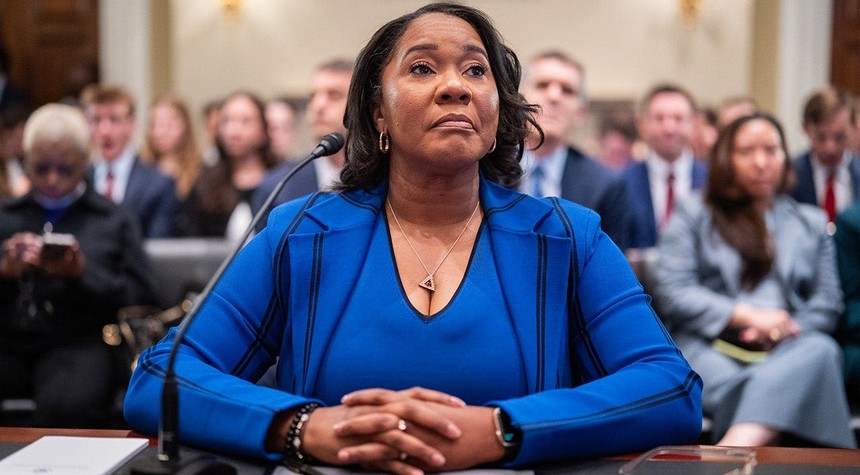
ActBlue CEO Regina Wallace-Jones already invoked the Fifth Amendment during questioning. That’s her constitutional right, certainly, but it’s not exactly the behavior of someone with nothing to hide. When the person running the operation refuses to answer questions under oath, investigators naturally assume the answers wouldn’t be flattering.
The committees aren’t just fishing here. They’ve got contemporaneous documents, internal reviews, and conflicting statements that paint a picture of an organization more interested in moving money than ensuring its legitimacy. Machen’s briefing to Congress on September 11, 2026 apparently tried to smooth over ActBlue’s problems and defend Wallace-Jones’s prior congressional testimony. The chairmen called it “nothing more than after-the-fact sugarcoating of ActBlue’s misconduct.”
That’s strong language from congressional investigators who deal in carefully measured statements. They’re essentially accusing a prominent attorney of helping cover up potential violations of federal election law. The stakes couldn’t be higher for everyone involved.
What happens next? Machen either sits for the interview and provides answers that satisfy the committees, or this investigation expands into something far more serious. Grand juries get convened. Subpoenas multiply. The FBI gets interested. Nobody wants that kind of attention, especially not when foreign money and election interference occupy the same sentence.
The broader lesson here extends beyond one fundraising platform. Our campaign finance system relies on voluntary compliance backed by spot checks and enforcement. When major players cut corners on verification, the entire structure weakens. Trust erodes. Skepticism grows. And Americans start wondering if their elections are really theirs at all.
House Republicans deserve credit for pursuing this aggressively. Investigating your political opponents’ fundraising apparatus takes courage because you know the media will spin it as partisan harassment. But if ActBlue really did allow foreign money to flow into Democratic campaigns, that’s not politics. That’s law enforcement.
Related: Trump Reveals Staggering Death Toll as Ukraine War Grinds Into Another Brutal Year