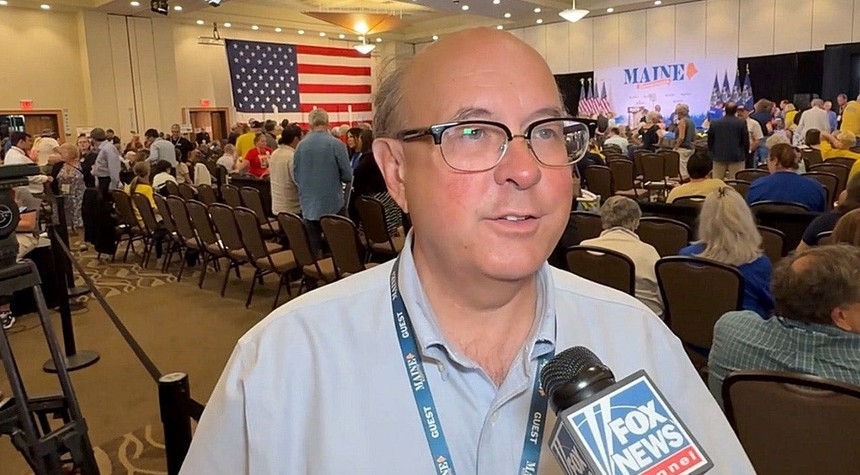
Matt Dunlap wants you to send him to Congress. But first, he’d like you to ignore the glaring admission buried in his own audit report: Maine’s Medicaid watchdog had no documented method for catching fraud. None.
The Democratic state auditor released findings earlier this year that should make every taxpayer in Maine wince. The Program Integrity Unit, the outfit supposedly guarding against Medicaid abuse, couldn’t produce documentation showing how it identified cases for review. It’s like admitting the security guard doesn’t actually know which cameras to watch. The PIU claimed it used “data analytics” to select cases, but when pressed for proof, the cupboard was bare.
Here’s where it gets worse. The watchdog unit wasn’t even considering whether patients or providers might be gaming the system. That’s not an oversight. That’s malpractice dressed up in bureaucratic language. Federal regulations require states to monitor Medicaid services adequately, and Maine’s own audit reveals they weren’t doing it. The potential for noncompliance isn’t theoretical anymore.
You know what strikes me about this? The report notes this particular failure had never been flagged before. “Prior year findings: none” sits right there in black and white. So either previous audits were equally asleep at the wheel, or this problem mushroomed on Dunlap’s watch while he was too busy planning his congressional campaign to notice.
The timing couldn’t be more awkward for Dunlap. Federal investigators and a local whistleblower named Christopher Bernardini have been sounding alarms about healthcare fraud in Maine. The whispers suggest Minnesota-style fraud, which should terrify anyone who remembers that particular dumpster fire. And now Dunlap’s racing for Maine’s 2nd Congressional District seat while his own audit work reveals systemic blindness to potential fraud.
His campaign fired back, naturally. They pointed fingers at Paul LePage, the Republican former governor who’s now Dunlap’s opponent. Burke, Dunlap’s spokesperson, insists Matt has flagged plenty of issues dating back to the LePage administration and that Republicans themselves praised his work. Fine. But that defense doesn’t explain why this specific vulnerability went undetected for years. It doesn’t clarify why the methodology for catching fraud was either nonexistent or so poorly documented that even the auditor’s office couldn’t produce it.
The campaign also notes that Dunlap lacks power to implement changes himself. He’s just supposed to be the fire alarm, they say. Departments make the actual fixes. Fair enough. But a fire alarm only works if it rings when there’s smoke, and this audit suggests the alarm stayed silent for far too long.
This matters beyond Maine. Vice President Vance has been turning up the heat on states over Medicaid fraud, threatening federal cash if they don’t get serious about enforcement. States like Maine prove exactly why that pressure’s necessary. When your own auditor admits the watchdog program can’t document its fraud detection methods, you’ve moved past incompetence into something more troubling.
Conservative principles aren’t complicated here. Government programs handling taxpayer dollars need ironclad oversight. When fraud flourishes because nobody bothered to track whether the tracking system actually works, that’s not just waste. It’s betrayal. Maine families pay into Medicaid expecting their money protects vulnerable citizens, not enriches scammers who exploit gaps in oversight.
Dunlap wants voters to trust him with federal responsibility when he couldn’t ensure state-level accountability. That’s a tough sell. The free market punishes this kind of negligence swiftly. Companies that can’t document their internal controls don’t survive audit season. But government? Government just shuffles the problem upward, hoping voters won’t connect the dots between local failure and congressional ambition.
Maine’s 2nd District race just became a referendum on something bigger than partisan politics. It’s about whether we reward officials who discover problems on their watch only after someone else blows the whistle. It’s about whether “I identified the fire” counts as success when you should’ve smelled the smoke years earlier.
Related: Biden’s Women of Courage Winner Now on Terror Watch List After Visa Revoked