
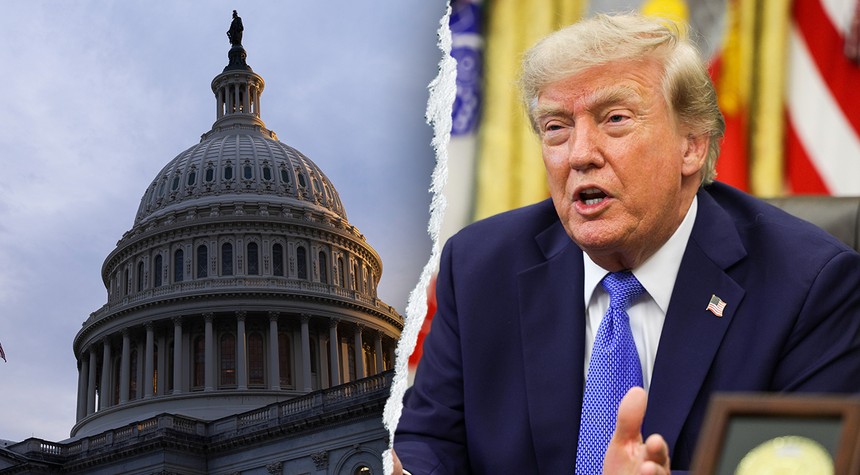
The Justice Department just threw a wrench into the Democratic playbook, and you can almost hear the outrage echoing through Capitol Hill. A new memo from the Office of Legal Counsel has extended executive privilege protections to private advisors who’ve counseled President Trump on official matters. That means Democrats hoping to drag Trump’s inner circle through another round of theatrical congressional hearings might need to rethink their strategy.
The 21-page memo, penned by Assistant Attorney General Elliot Gaiser, makes a straightforward argument. Presidential confidentiality matters. It matters whether you’re talking to a cabinet secretary or a trusted private advisor who happens to have expertise the president needs. The principle is the same. Without the promise of confidentiality, you get watered-down advice. You get people hedging their bets instead of offering their honest assessment. And honestly, isn’t that the last thing we want when someone’s making decisions that affect the entire nation?
Here’s what Democrats were banking on. They’ve been salivating over the prospect of hauling Trump’s attorneys and advisors before Congress, forcing them to answer questions about everything from business dealings to family investments. It’s the same playbook they’ve run before. Subpoena everyone. Create a media circus. Hope something sticks. The memo doesn’t outright block congressional subpoenas, but it gives private citizens a legitimate legal shield if their conversations with Trump related to his official duties as president.
The timing is fascinating. This comes as Democrats continue wrestling with their identity and their strategy heading into what promises to be a contentious political season. They’ve built so much of their platform around investigating Trump that you have to wonder what happens when that well runs dry. What’s the backup plan when you can’t just summon people for another hearing?
Think about the practical reality here. If you’re a private citizen with specialized knowledge, maybe you’re a doctor or a legal expert or someone with deep industry experience, why would you offer candid advice to a president if you knew it could later be weaponized against you? You wouldn’t. You’d keep your mouth shut or you’d give sanitized talking points that don’t help anyone. The memo acknowledges this human reality. People have livelihoods to protect. They have reputations and businesses that could suffer if their private counsel becomes public fodder for political theater.
The memo states clearly that presidential communications privilege exists to ensure decision-making “is of the highest caliber, informed by honest advice and full knowledge.” Without confidentiality, the president’s ability to “decide and act quickly” on critical matters gets seriously compromised. This isn’t about protecting wrongdoing. It’s about protecting the integrity of the decision-making process itself.
You know what’s interesting? The left has always championed the importance of getting expert advice, of listening to specialists, of making informed decisions. But apparently that only counts when it serves their political interests. When it comes to Trump, suddenly the idea that a president might need confidential conversations with private experts becomes suspicious. The hypocrisy is thick enough to cut with a knife.
Democrats are going to scream about transparency and accountability. They’ll frame this as a cover-up or obstruction. But the Office of Legal Counsel isn’t some partisan hack shop. These are legal scholars interpreting constitutional principles that have existed for decades. Executive privilege isn’t a Trump invention. It’s a foundational concept that protects the presidency itself, regardless of who occupies the office.
The memo is nonbinding, which means courts could ultimately disagree. But it provides a solid legal foundation for anyone who gets dragged into the next round of Democratic investigations. And let’s be real about what those investigations have accomplished so far. Mountains of taxpayer money spent. Countless hours of testimony. And at the end of it all, what did we get? Political grandstanding and sound bites for cable news.
This is about preserving a president’s ability to govern effectively. It’s about ensuring that the Oval Office isn’t hamstrung by the fear that every private conversation will eventually be dissected by hostile congressional committees. If Democrats want to investigate actual wrongdoing, fine. But using congressional power to harass political opponents isn’t oversight. It’s abuse.
Related: Wisconsin Democrats Choose the Establishment Over the Socialist Revolution