
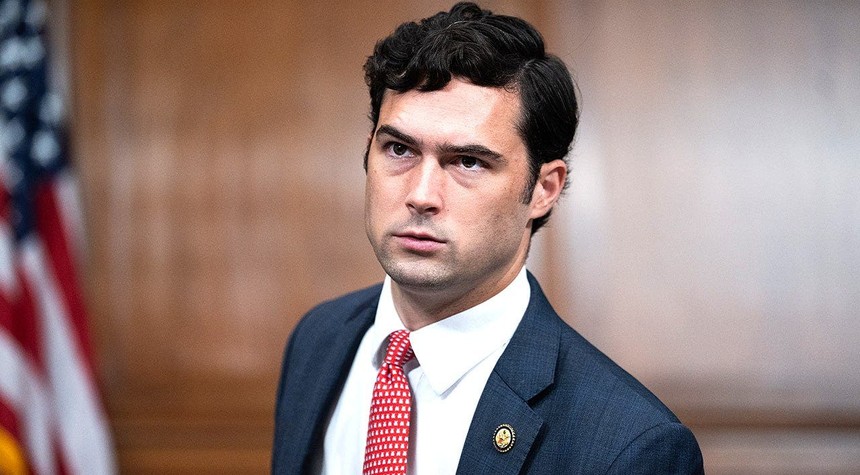
Representative Brandon Gill isn’t mincing words. The Texas freshman has McKinsey & Company squarely in his crosshairs, and honestly, it’s about time someone asked the hard questions about how DEI became corporate gospel in America.
Here’s what’s happening. Gill, who chairs the House Oversight Committee’s Task Force on Defending Constitutional Rights and Exposing Institutional Abuses (yes, that’s a mouthful), is launching a probe into the global consulting behemoth. His beef? McKinsey has been publishing reports that essentially tell American companies that race-based and gender-based hiring practices are good for business. Not just acceptable. Good. Beneficial. The kind of language that gets C-suite executives nodding along in conference rooms across the country.
But there’s a problem. A big one. Those practices Gill says McKinsey is promoting? They violate the Civil Rights Act of 1964. You know, that landmark legislation that was supposed to guarantee equal treatment regardless of race or gender. The irony would be funny if it weren’t so damaging to actual people trying to make a living in this economy.
Think about the timing here. Americans are getting crushed by inflation. Grocery bills that used to run $150 are now pushing $250. Gas prices remain stubbornly high. Families are making tough choices between necessities. And during all this economic pain, McKinsey, a multibillion-dollar consulting firm with offices in every corner of the globe, has been telling American corporations to focus on the color of someone’s skin or what’s between their legs when making hiring decisions.
The influence McKinsey wields cannot be overstated. When they publish a report, Fortune 500 companies listen. CEOs treat their findings like scripture. HR departments restructure entire recruiting pipelines based on their recommendations. Gill calls these reports “highly influential in American corporations,” which might actually be underselling it. McKinsey doesn’t just influence corporate America. In many ways, they are corporate America’s brain trust.
This matters because we’re not talking about some fringe activist group publishing manifestos from a basement. We’re talking about a firm that advises the biggest players in every industry. When McKinsey says jump, companies ask how high and whether the jump should be diverse, equitable, and inclusive.
The fundamental question Gill is raising cuts to the heart of American fairness. Should companies hire the best person for the job, or should they hire based on demographic checkboxes? It’s not complicated. Most Americans, regardless of political affiliation, believe in merit. They believe in equal opportunity, not equal outcomes engineered through racial and gender preferences.
What’s plainly illegal, as Gill puts it, is being dressed up as progressive corporate responsibility. But you can’t just rebrand discrimination and call it justice. The Civil Rights Act didn’t come with an asterisk saying its protections only apply when convenient or when they don’t conflict with fashionable corporate trends.
Gill represents a new breed of Republican lawmakers who aren’t interested in polite disagreement. They’re interested in accountability. They see institutional abuses, and they’re willing to name names and demand answers. That’s the kind of representation voters sent him to Washington to provide.
The probe is just beginning, but the message is clear. If you’re a consulting firm profiting off advice that violates federal civil rights law, there will be consequences. McKinsey built an empire on trust and expertise. Now they’ll have to explain why they’ve been steering American companies toward practices that are, quite simply, against the law.