
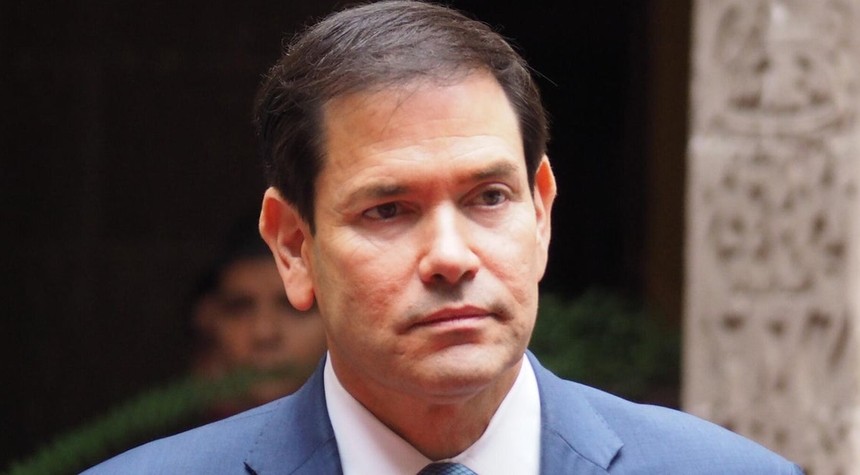
Marco Rubio isn’t mincing words anymore. The Secretary of State announced Tuesday that the United States will impose travel bans on South African officials accused of discriminating against White people and other minorities. It’s a bold move that signals something fundamental has shifted in how America approaches human rights on the international stage.
Here’s what’s actually happening. Rubio says he’ll revoke or reject visas for foreign nationals responsible for enforcing policies that allow uncompensated land seizures, race-based discrimination, and incitement of violence against minority groups in South Africa. The message is crystal clear: the United States won’t stand by while any government, regardless of its historical grievances, tramples on the rights of its citizens based on skin color.
“The United States will not allow such behavior to go unchecked,” Rubio declared. These actions undermine peace, economic stability, and the rule of law. They’re incompatible with everything American foreign policy should stand for.
Predictably, South Africa’s government is pushing back hard. They’ve called the allegations baseless, a product of misinformation spread by what they dismiss as fringe groups. The foreign ministry says they’ve noted the restrictions with concern, claiming the U.S. is mischaracterizing their domestic policies. But you know what? When your policies specifically disadvantage people based on race, that’s not a mischaracterization. That’s just calling it what it is.
The context matters here. South Africa has roughly 4.5 million White people in a population of 62 million. Many are Afrikaners, descendants of Dutch and French settlers who arrived in the 17th century. Yes, these were the same people at the heart of apartheid’s racial segregation system. That historical baggage is real and it’s heavy. But two wrongs have never made a right, and the sins of previous generations don’t justify present-day discrimination running in the opposite direction.
The Trump administration is pointing to specific evidence. There’s a South African law allowing expropriation of unused private land without compensation. There are affirmative action policies that explicitly advance opportunities based on race. There’s been a troubling pattern of violent crimes against White farmers. When you stack these pieces together, the picture becomes harder to ignore.
Rubio didn’t name which officials would face these travel restrictions, though a lobby group representing minority White South Africans has previously called for sanctions against African National Congress officials. The ANC is President Cyril Ramaphosa’s party and the dominant force in South African politics.
This isn’t the first salvo either. The Trump administration has been building pressure systematically. South African officials got barred from G20 meetings happening on U.S. soil this year. Washington is phasing out aid for South Africa’s HIV treatment program. There’s even a refugee program now accepting Afrikaners and other White South Africans, acknowledging what the State Department calls escalating hostility against them.
The timing isn’t coincidental. Relations between the two countries have been strained since South Africa dragged Israel before the International Court of Justice, accusing America’s ally of genocide against Palestinians in Gaza. Israel vigorously denies the charge, and the move clearly rankled Washington.
Critics will scream that this is the Trump administration playing racial politics on the world stage. They’ll point to apartheid’s legacy and argue that corrective policies are necessary. But here’s the uncomfortable truth they don’t want to confront: discrimination is still discrimination, regardless of which direction it flows. The principle of equal treatment under the law doesn’t come with historical asterisks or conditional clauses.
Limited government means government shouldn’t be in the business of picking winners and losers based on immutable characteristics like race. Free-market capitalism works when property rights are secure and opportunity flows from merit, not skin color. These aren’t just American values. They’re universal human rights principles that every nation should uphold.
South Africa stands at a crossroads. They can continue down this path, dismissing legitimate concerns as propaganda from fringe elements. Or they can recognize that building a truly just society means protecting everyone’s rights, even those whose ancestors committed grave injustices. The United States just made clear which choice we’ll support and which we’ll sanction.
The real question now is whether other nations will follow America’s lead or look the other way while racial policies get implemented with a different target but the same ugly logic.
Related: Senate Kills Trump-Backed Crypto Law After Year of Negotiations Goes Nowhere