
The Trump-backed cryptocurrency bill just died on the Senate floor, and honestly, it’s hard to find anyone who’s surprised. After more than a year of negotiations, over 120 amendments, and countless late-night haggling sessions, the Clarity Act couldn’t even clear a basic procedural vote. Democrats killed it. But here’s the twist: several Republicans helped dig the grave.
Senator Cynthia Lummis from Wyoming, the bill’s main architect, didn’t mince words. “I think we’re done. It’s over,” she said flatly. When pressed about whether it might return for another vote, she answered with a simple “Nope.” That’s the sound of defeat, folks. Complete and total.
You know what’s remarkable here? This wasn’t some narrow partisan squabble where everyone voted their party line and went home. Susan Collins, Josh Hawley, and Jerry Moran all had reservations serious enough to tank their own president’s priority legislation. When was the last time you saw that kind of principled resistance in an era where party loyalty usually trumps everything else?
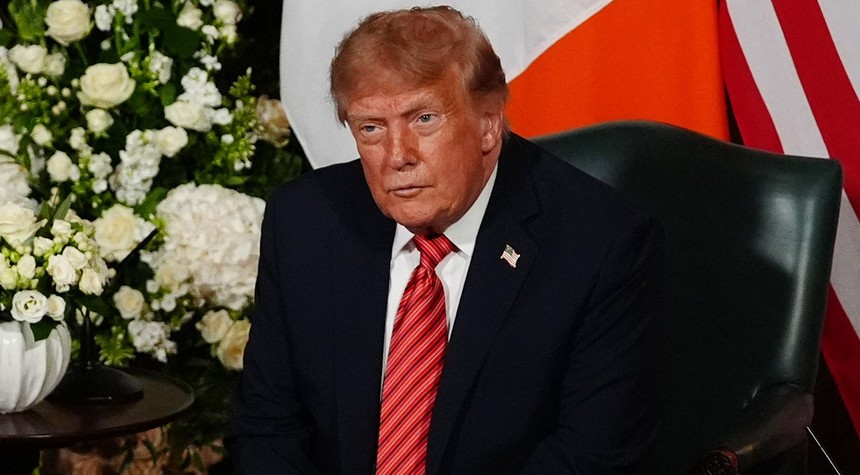
The core problem came down to something we should all care about, regardless of political stripe. Ethics. Or more specifically, the glaring absence of adequate ethics provisions that would prevent the president from personally profiting off legislation he’s pushing. Trump’s income jumped from about $620 million to roughly $2.2 billion between 2024 and 2025. That’s not just growth. That’s an explosion. And a huge chunk of that windfall came from crypto holdings managed by his sons.
Senator Cory Booker put it bluntly when explaining his no vote: “It allows the corruption of the president to continue.” That’s the kind of statement that used to be reserved for backroom whispers, not public declarations on the Senate floor.
Here’s where things get messy in that particularly Washington way. Senator Ruben Gallego from Arizona was working with Republican Thom Tillis to beef up the ethics language right until the final moments. They were close, he said. Really close. Then a staffer from Senator Tim Scott’s office walked in and announced negotiations were over. Just like that.
“They cared more about protecting the president’s right to grift than trying to get a good bill on digital currency,” Gallego said. Those are fighting words, but they reflect a frustration that’s become all too common in our legislative process. We get tantalizingly close to something resembling compromise, then someone pulls the plug because the political cost of actually voting on tough amendments becomes too high.
Now look, I believe in free markets. I believe in innovation and the kind of technological advancement that makes America exceptional. Cryptocurrency represents a legitimate frontier in financial technology, and reasonable regulations could help it flourish rather than strangle it. The crypto industry needs clarity. Investors need protection. The market needs rules that make sense.
But not like this. Not when the guy signing the bill stands to pocket billions from its passage. That’s not capitalism. That’s cronyism dressed up in blockchain clothing.
The anti-money laundering provisions also fell short, according to multiple senators. In a world where foreign adversaries are constantly probing our financial systems for weaknesses, that’s not a small oversight. It’s a gaping vulnerability we’d be volunteering to keep open.
What’s most frustrating is that this bill had bipartisan momentum at one point. Real momentum. People from both parties recognized that America needs to lead on crypto regulation before other countries set the global standards without us. China’s already miles ahead on digital currency development. Europe’s crafting its own regulatory framework. We’re supposed to be sitting here arguing about how to do this right, not watching it collapse because nobody can agree on basic ethical guardrails.
Senator Lummis mentioned they’d incorporated 120 requested changes. That’s an extraordinary amount of accommodation. But apparently, the one thing they wouldn’t budge on was ensuring the president couldn’t personally cash in while setting the rules. And that, more than anything else, tells you everything you need to know about why this bill failed.
The Senate calendar is packed now. Midterms are approaching. Major legislation is stacking up like planes over LaGuardia. The window for reviving this bill has essentially closed. Maybe that’s for the best. Maybe we need to start from scratch with something that doesn’t smell like a personal enrichment scheme.
Individual liberty includes the freedom to innovate financially. But limited government doesn’t mean no oversight. It means smart oversight that prevents the powerful from rigging the game. This bill failed that test spectacularly.
Related: Massie’s Impeachment Push Against Hegseth Reveals the Real Fight Over Presidential War Powers