
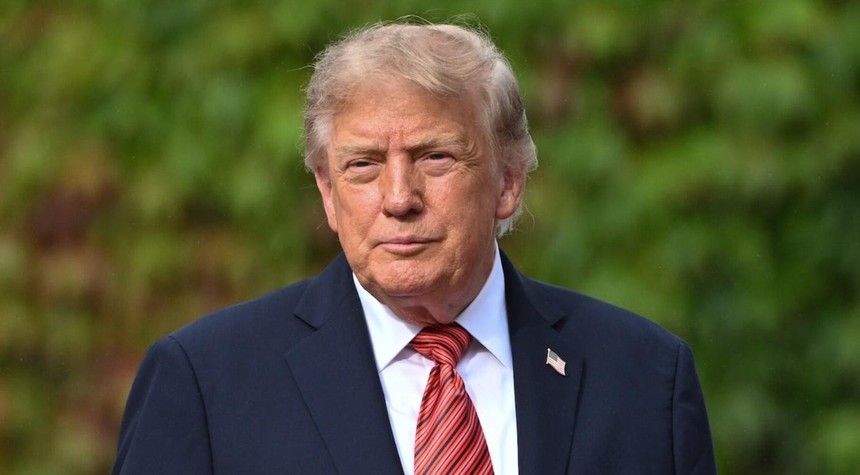
President Trump just did something most politicians lack the spine to do. He looked at the hand-wringing tech executives warning about AI superintelligence and called their bluff. While former industry insiders like Dario Amodei suddenly discover a conscience about the technology they spent years building, Trump announced he’s creating an “AI Force” and refusing to let fear slow down American innovation. The move is brilliant, necessary, and long overdue.
Here’s what nobody wants to admit. The people screaming loudest about AI dangers are the same ones who built these systems in the first place. They raced ahead without guardrails when it benefited them, and now they want the government to slam the brakes precisely when competitors might catch up. That’s not caution. That’s market manipulation dressed up as ethics.
Trump sees through it. His Truth Social post cut straight to the heart of the matter. America won’t hinder or stifle this incredible industry. We’ll foster it, nurture it, and watch it grow. But we’ll also use our existing criminal and civil justice system to catch bad actors. You know what? That’s how free markets with strong legal frameworks are supposed to work. We don’t need a committee of nervous billionaires deciding which innovations Americans can access.
The comparison to Space Force isn’t accidental. That initiative faced mockery and derision from the same crowd now fretting about AI development. Yet Space Force addresses real national security concerns in an era when our adversaries view space as a battlefield. The AI Force concept follows identical logic. China isn’t pausing its AI development to contemplate philosophical risks. They’re racing forward while we debate whether algorithms might become sentient and turn evil.
This gets to something deeper about American identity and our relationship with progress. We’ve always been the nation that builds, invents, and pushes boundaries. The Wright brothers didn’t form a committee to study whether human flight might be dangerous. Edison didn’t slow down electricity development because it could start fires. Every transformational technology carries risks. Managing those risks while capturing benefits separates successful civilizations from stagnant ones.
The economic stakes dwarf the philosophical concerns anyway. Trump projects AI could represent 25 percent of America’s GDP. That’s not hype. That’s recognizing we stand at an inflection point comparable to the Industrial Revolution or the internet’s emergence. Industries will be remade. Fortunes will be won and lost. The question isn’t whether this transformation happens but whether it happens here, creating American jobs and strengthening American power, or whether we cede leadership to Beijing.
David Sacks gets this. His recent comments about AI fears being overblown reflect someone who actually understands the technology rather than using it as a political football. Sacks served his time as AI and Crypto Czar, and his measured approach balanced innovation with prudence. Now Trump’s appointing a new AI Czar to continue that work. The administrative continuity matters because consistent policy encourages investment.
What frustrates me most about the doomsday crowd is their stunning arrogance. Jacob Coxon warns that companies are “gambling with our lives” by developing superintelligence. Really? The same justice system that prosecutes fraud, negligence, and recklessness somehow can’t handle AI misuse? We’ve managed every previous technological revolution through existing legal frameworks, adapting as needed. AI doesn’t require us to abandon capitalism or freedom. It requires us to stay vigilant and hold bad actors accountable.
The timing of these warnings raises eyebrows too. Anthropic and OpenAI researchers suddenly sounding alarms after their companies secured dominant market positions. Convenient. Almost like they want regulatory moats protecting them from scrappy competitors who might build better products faster. I’m not saying their concerns lack any merit, but let’s not pretend this is purely altruistic truth-telling divorced from competitive advantage.
Trump’s approach trusts Americans and American institutions. It says we’re capable of developing powerful technology responsibly without surrender to paralysis or fear. That confidence in our nation’s abilities and judgment feels refreshing after years of being lectured about what we supposedly can’t handle. We’re adults. We can manage AI development the same way we’ve managed every other major innovation, through a combination of market forces, legal accountability, and common sense.
The choice ahead is stark. We can either lead the AI revolution or watch from the sidelines while China writes the rules. Trump’s making sure we lead. That’s what actual leadership looks like.
Related: Sherrod Brown Takes Google Money While Attacking Google Data Centers in Ohio