
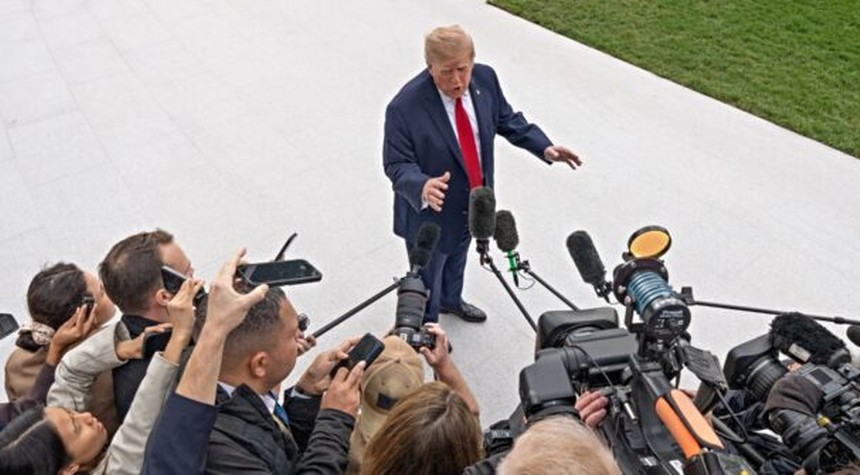
Here’s what you need to understand about this whole credential mess. Three major news organizations are back in federal court begging for their White House access, and honestly, they’re the ones who should be explaining why they deserve to be there in the first place.
CNN, MS NOW, and Politico filed a 42-page complaint Monday night claiming the Trump administration isn’t playing fair with their credentials. They want Judge Timothy Kelly to extend his temporary restraining order before it expires on October 8. The filing reads like a manifesto about First Amendment rights and irreparable harm, but let’s pump the brakes for a second and talk about what’s really happening here.
The Trump White House pulled these outlets’ credentials on September 19. Judge Kelly issued a two-week restraining order that temporarily restored their access. Now these organizations want a preliminary injunction to keep them in the room until the entire case wraps up. They’re claiming the administration has been “unpredictable and inconsistent” in enforcing the ban, even going so far as to block CNN from White House pool duties despite the court order.
But here’s the thing nobody wants to say out loud. The White House isn’t a public park. It’s not a shopping mall where anyone can wander in with a notebook and start asking questions. Attorney General Todd Blanche said it perfectly on ABC Sunday: “It is a privilege, and not a right, to be there.” That statement shouldn’t be controversial, yet somehow it is.
These legacy organizations have operated for years under the assumption that their credentials are permanent fixtures, almost like tenure at a university. They act as though covering the White House is an entitlement rather than an extraordinary access point that comes with responsibilities. When did we decide that news organizations have an inalienable right to stand in the people’s house and grandstand?
The First Amendment protects freedom of the press. Nobody’s disputing that. But it doesn’t guarantee you a front-row seat to presidential briefings. There are thousands of journalists in America who would love White House credentials. The Constitution doesn’t mandate that CNN gets one of those limited spots forever, regardless of how they conduct themselves.
Look, you can disagree with Trump’s approach to media relations. That’s fine. But the narrative that any credential revocation equals an assault on democracy is exhausting. News happened before daily White House briefings existed, and it’ll happen after. These organizations have enormous reach and resources. They can still report on the administration from outside the briefing room. They just can’t be physically present in that specific space.
The Trump administration has until October 2 to respond to this latest filing. The outlets will submit their final brief by October 5, and Judge Kelly says he’ll rule quickly. Whatever happens, this case will set precedent about how much control a White House maintains over its own press operations.
This isn’t about silencing journalists. It’s about whether the executive branch gets to decide who receives the privilege of daily access to its facilities. Every administration manages credentials. Every White House decides which outlets get pools and which don’t. The only difference here is that Trump actually pulled the trigger on organizations he believes aren’t operating in good faith.
The legal arguments will play out in court, as they should. But the pearl-clutching from these outlets rings hollow when you remember how they’ve covered this administration from day one. They want unrestricted access while maintaining zero accountability for accuracy or fairness. That’s not how privileges work in any other context. Why should the White House be different?
Judge Kelly will make his decision soon enough. Until then, maybe these organizations should spend less time in court and more time asking why public trust in their profession keeps hitting new lows.
Related: The H-1B Visa Scam Is About to Get Expensive for Corporate America