
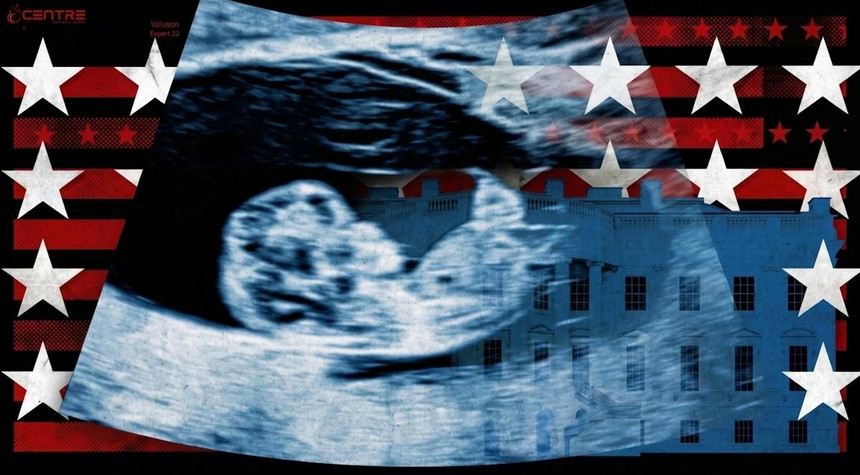
The Trump administration made a move this week that’s equal parts clever and compassionate, the kind of policy shift that actually prevents problems instead of just reacting to them. The Department of Health and Human Services announced that unborn children now qualify as candidates for foster care, which sounds counterintuitive until you understand what it really means. This isn’t about putting babies in the system. It’s about keeping them out.
Here’s the thing. By designating expectant parents as eligible for foster care prevention services, the federal government just opened access to roughly 100 different support programs that can stabilize families before a child even takes their first breath. We’re talking mental health treatment, substance abuse programs, parenting classes, home visits, medications for opioid use disorder. The kind of real, tangible help that can mean the difference between a family staying together and another infant entering an overburdened system.
Alex Adams, the Assistant Secretary for the Administration for Children and Families at HHS, puts it plainly. The president wants to transform foster care by making it unnecessary. “The best foster care system is the one that is not needed in the first place,” Adams said. That’s not just rhetoric. That’s practical governance.
Think about the numbers for a second. One in five children entering foster care is under a year old. That’s an infant. A newborn or close to it. These aren’t kids being removed at age seven or ten after years of documented problems. These are babies who never had a fighting chance because their parents didn’t get help during pregnancy when intervention could’ve changed everything.
Twenty-nine states have already asked for exactly this kind of clarity from the federal government. They wanted pregnant mothers whose children might be at risk officially recognized so they could target services during that critical window. Pregnancy is a moment of vulnerability, sure, but it’s also an opportunity. You can reach people then. You can offer support before crisis becomes catastrophe.
The Family First Prevention Services Act already created the framework for this. It opened federal funds for parents of children considered candidates for foster care. What the Trump administration did was extend that definition backward to include the unborn. It’s innovative without being radical, building on bipartisan legislation that already exists.
States get reimbursed by the federal government for providing these preventive services, and here’s what matters: they’re available regardless of income level. These aren’t programs that Medicaid typically covers. We’re talking about services that fall through the cracks, the kind of support that middle-class families struggling with addiction or mental health issues can’t necessarily afford but desperately need.
Dr. Stephanie Haridopolos from the Office of the Surgeon General nailed it when she said stable, predictable environments and healthy daily routines during early development are essential for preventing chronic health conditions long term. You want to talk about return on investment? Help a mother get treatment for substance abuse before her child is born, and you’ve potentially saved that kid from a lifetime of developmental challenges, not to mention saved taxpayers the enormous cost of foster care, medical interventions, and everything else that follows.
This is conservatism that actually conserves something. It protects life, strengthens families, and uses government resources efficiently by preventing problems instead of managing disasters. It recognizes that sometimes the most pro-life position isn’t just about birth. It’s about what comes after. It’s about giving parents the tools they need so their children can thrive in their own homes with their own families.
The foster care system is overwhelmed. Everyone knows it. Caseworkers are drowning. Foster families are stretched thin. Kids bounce between placements, suffering trauma that compounds with each move. If you can prevent even a fraction of those entries by helping expectant parents get stable before delivery, you’ve accomplished something meaningful.
What’s striking is how straightforward this is. There’s no massive new bureaucracy. No complicated rollout. The infrastructure already exists through the Family First Act. The Trump administration simply clarified who qualifies, and in doing so, created a lifeline for families who need it most during one of life’s most critical transitions. That’s the kind of governance we should see more of: simple, direct, effective.
Related: Vice President Confirms What Critics Feared About ICE Arrest Policy