
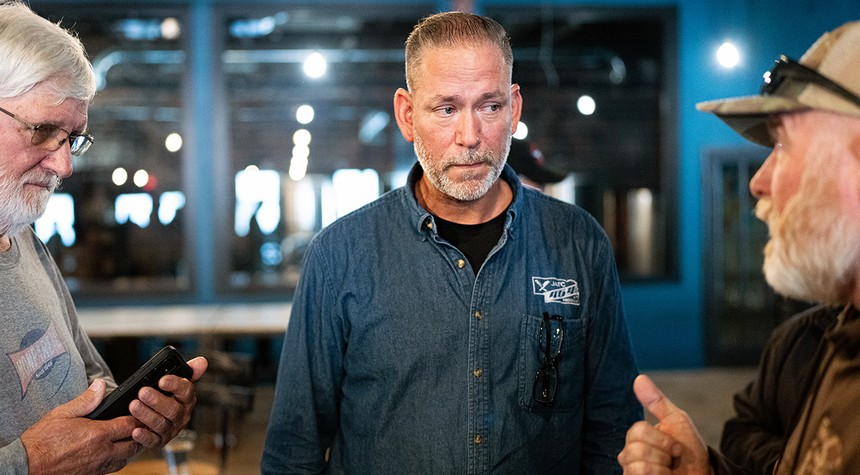
Dan Osborn wants you to believe he’s drowning financially. The independent Nebraska Senate candidate stood before cameras last September painting a picture of economic desperation. His family was treading water, he said. Every day felt like a struggle to keep their heads above water because of grocery prices and gas costs. He repeated this talking point twice in one day, once at a Capitol Hill press conference and again during an NBC News interview.
Here’s what he conveniently forgot to mention. His campaign has funneled more than $500,000 to members of his own family since he launched his Senate bid.
You know what’s fascinating about politicians? They’ll co-opt your genuine struggles while quietly enriching themselves. Americans for Public Trust, a government ethics watchdog, did the math and found that Osborn and his relatives received nearly $480,000 through the first quarter of 2026. That figure didn’t even include the additional payments disclosed in his second quarter filing from July. When you add those in, you’re well past the half million dollar mark.
The biggest beneficiary? His wife, Megan Osborn, who’s been on the campaign payroll since day one. Campaign finance records also show payments to his daughter Georgia, whom Osborn has publicly described as a part-time dancer who needs help paying her bills. The campaign paid her for event staffing and campaign activities, alongside other relatives and family-connected entities.
It gets better. Osborn’s wife had stakes in consulting firms that were receiving thousands of dollars from his campaign coffers. This included money from his 2024 war chest, even though that campaign was defunct. Let that sink in for a moment. A dead campaign still feeding the family trough.
The whole arrangement only changed after Americans for Public Trust filed a complaint with the Federal Election Commission. Earlier this year, facing scrutiny, Osborn and his wife suddenly announced they were restructuring how she got compensated. The complaint alleged he’d steered campaign funds to relatives through a network of consulting firms and affiliated political action committees, potentially violating federal campaign finance law. The Osborn campaign, predictably, rejected the allegations and claimed the payments were legitimate.
Caitlin Sutherland, executive director of Americans for Public Trust, put it plainly. “It’s rich for Osborn to be co-opting the real financial pain of Nebraskans when he and his family have been profiting from his campaign since it launched.” She’s not wrong. There’s something particularly galling about a candidate claiming financial hardship while simultaneously running what looks like a family employment agency funded by campaign donations.
This isn’t some abstract violation of campaign finance norms. Real Nebraskans are struggling with inflation and rising costs. They’re making hard choices about whether to fill up the gas tank or stock the fridge. They’re watching their purchasing power evaporate while politicians lecture them about shared sacrifice. And here comes Dan Osborn, positioning himself as one of them, all while his campaign operates as a personal ATM for his relatives.
The timing of his wife stepping away from those consulting firms tells you everything. When nobody’s watching, the money flows. When the watchdogs start barking, suddenly there’s a restructuring. It’s the oldest playbook in politics. Do whatever you can get away with until you can’t get away with it anymore, then claim you were always planning to make changes anyway.
Nebraskans aren’t stupid. They can spot self-serving behavior when it’s this obvious. Osborn’s treading water narrative might have resonated if it weren’t floating on a sea of campaign cash flowing to his family. You can’t credibly claim to share someone’s financial pain while your household is collecting half a million dollars in campaign payments. That’s not solidarity. That’s exploitation wrapped in populist rhetoric.
The really troubling part isn’t just the money. It’s the shamelessness of standing before cameras and claiming financial struggle while knowing full well what’s happening behind the scenes. That takes a special kind of audacity. The kind that suggests a fundamental disconnect between what a candidate says and what they actually believe voters deserve to know.
Related: The Washington Post Would Rather Protect Criminals Than Your Kids