
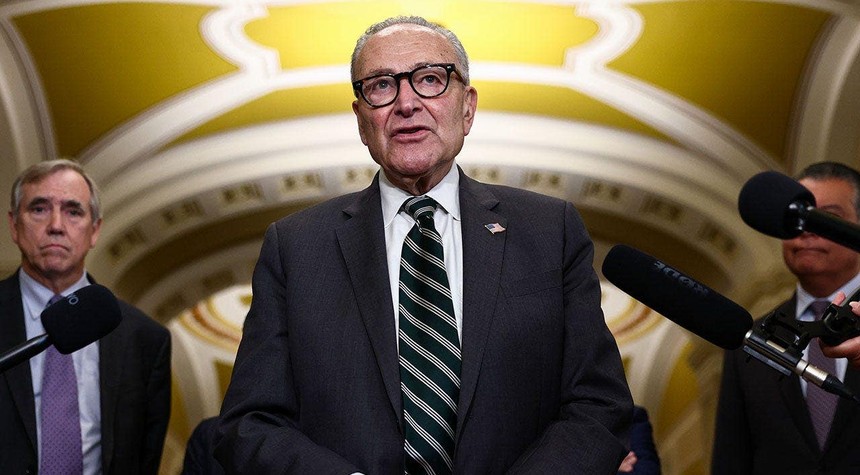
There’s something almost theatrical about watching Chuck Schumer and his Democratic colleagues campaign on affordability while simultaneously torpedoing every Republican attempt to actually address the problem. It’s not just cynical politics. It’s brazen.
The setup is pretty straightforward. Democrats have made affordability their big midterm pitch, wielding it like a weapon across battleground states from Michigan to Texas. They’re telling voters they’re the answer to economic pain, the solution to rising costs that have squeezed American families for years now. Fair enough. That’s what campaigns do. But here’s where it gets interesting, and by interesting I mean infuriating if you’re paying attention to what actually happens in Washington rather than what gets said on cable news.
Senate Republicans have been trying to pass legislation that would tackle pieces of the cost puzzle. Real bills. Actual attempts at solutions. And Democrats keep blocking them. Wednesday brings another example with a vote on Senator Jon Husted’s data center bill, which would require these massive electricity consumers to help offset the burden they place on local power grids and, by extension, on regular people’s utility bills. The House already passed it with overwhelming bipartisan support. Only three House Democrats voted against it. But Schumer has already announced he’s killing it in the Senate.
His reasoning? He calls it a fraud because parts of it are voluntary. Senator Chris Murphy from Connecticut went further, basically daring journalists to explain that “the bill does nothing” so voters won’t care that Democrats blocked it. There’s a weird confidence in that statement, like they’ve done the math and figured out they can have it both ways. Campaign on fixing affordability problems while refusing to vote for affordability solutions, then bet that nobody notices the contradiction.
Senate Majority Leader John Thune sees it differently, and frankly his read makes more sense if you’re not trying to spin for one side or the other. He told reporters that Democrats have become “the party of no” who “can’t take yes for an answer” because they’re too focused on keeping issues alive for political exploitation rather than actually solving them. You know what? That tracks with observable reality here. When your entire campaign strategy depends on blaming the other party for problems, you have a perverse incentive to make sure those problems don’t get fixed before Election Day.
The Ohio Senate race has turned into ground zero for this fight. Husted is facing off against former Senator Sherrod Brown in what polling shows is a nail biter, and energy costs have become a flashpoint issue. Data centers and AI facilities are driving up electricity demand across the state, which means higher bills for families and small businesses who aren’t running server farms but are sharing the same grid. It’s a legitimate problem that constituents actually care about, not some manufactured controversy dreamed up in a strategy session.
But Schumer dismissed the entire bill as political theater designed to help a vulnerable Republican candidate. Maybe it is. Politicians tend to focus on issues that help them win elections. That’s not exactly news. What’s strange is using that as justification to vote against something that passed the House with broad support and would at least attempt to address a real concern Ohio voters have.
Senator Andy Kim from New Jersey said he has absolutely no concern that blocking the bill could undermine Democratic messaging on affordability. “The American people can see through just the politics of this,” he claimed. That’s a fascinating assertion given that it requires voters to simultaneously believe Democrats care deeply about lowering costs while also accepting that they’ll vote against bills aimed at lowering costs because they don’t think those bills go far enough or have enough enforcement mechanisms or whatever the excuse of the day happens to be.
The stock trading ban is another example sitting on the shelf. Americans across the political spectrum agree that members of Congress shouldn’t be day trading on insider information. It’s one of those rare issues with genuine popular support. Republicans have put forward legislation. And once again, it’s going nowhere because Democrats won’t cooperate even though their own candidates campaign against the practice.
This pattern reveals something about how modern political strategy works, and it’s not pretty regardless of which party does it. The incentive structure in Washington increasingly rewards obstruction over cooperation, performance over results. If you can successfully blame the other side for problems while quietly making sure those problems persist until after the election, you get the best of both worlds politically. You get to run as the solution without having to deliver actual solutions that might not work perfectly or might give the other party a win too.
Thune’s point about Democrats struggling to maintain their affordability message after blocking these bills assumes voters are paying close attention to legislative procedure in the Senate. That’s probably optimistic. Most people have jobs and kids and lives that don’t involve tracking cloture votes. But over time, the gap between rhetoric and action does tend to catch up with politicians. You can only promise to fix problems you’re actively preventing from being fixed for so long before people notice.
The data center issue isn’t going away whether this bill passes or not. AI and cloud computing keep expanding, which means more facilities drawing enormous amounts of power, which means continued upward pressure on electricity costs for everyone else. Ohio won’t be the only state dealing with this. It’s already spreading. So blocking this particular bill might make tactical sense for Democrats trying to avoid giving Husted a victory before November, but it guarantees the underlying problem persists and probably gets worse.
That’s the trade Democrats seem willing to make. Keep the issue alive, keep voters frustrated, keep blaming Republicans, and hope nobody asks why they voted against the proposed solutions. It might work. Political cynicism often does. But it says something dispiriting about where we are that the strategy isn’t even subtle anymore. Schumer isn’t pretending otherwise. He’s just betting it won’t matter.
Related: Federal Court Revives Case Against Seattle’s Race-Based Workplace Training