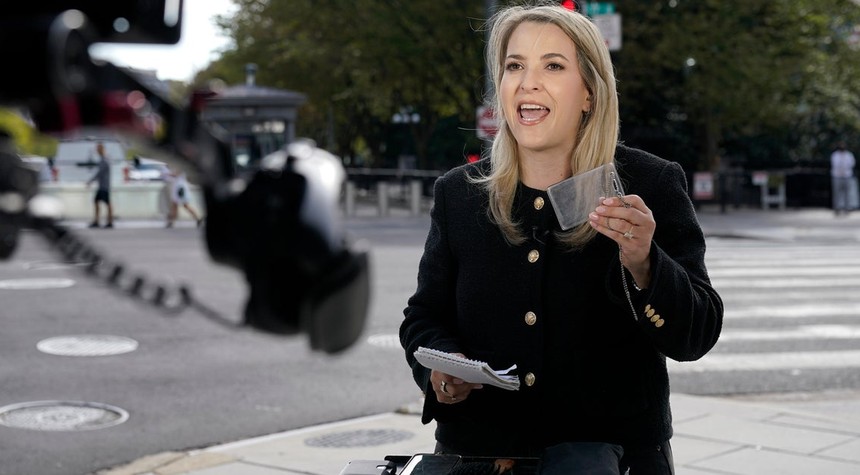
Here’s what happened Saturday morning at the White House. Reporters showed up to do their jobs. They swiped their press credentials. The system blinked red. Access denied. Just like that, three major news organizations found themselves locked out of the people’s house because the president doesn’t like what they write.
CNN’s Betsy Klein and her cameraman. MS NOW’s Akayla Gardner. Politico’s Cheyenne Haslett. All turned away. Secret Service agents confiscated their badges. The security guards shrugged and said the orders came from above. Which is exactly how these things always work, isn’t it? Nobody wants to own the decision but everyone follows through.
Trump justified the ban Friday by saying he’s tired of fake news from these outlets. He didn’t cite a single specific story. Didn’t point to a correction or retraction. Just waved his hand at the general direction of coverage he finds unfavorable and declared it dishonest. That’s the standard now. The president’s mood determines who gets to report on his administration.
You know what’s fascinating about this? It’s not actually about accuracy. These news organizations have legal teams, fact checkers, and editorial standards precisely because they know the cost of getting things wrong. They issue corrections when they make mistakes. They face lawsuits when they cross lines. The marketplace of ideas includes consequences for dishonesty. But that’s not enough anymore. The president wants coverage that makes him comfortable, and anything short of that becomes grounds for exile.
The White House Correspondents’ Association got it right when they said this standard could apply to any outlet in the future. Today it’s CNN and Politico. Tomorrow it’s whoever publishes something unflattering about economic policy or foreign affairs. This is how you hollow out accountability without technically dismantling the First Amendment. You just make it really hard to exercise those rights.
Think about the mechanics here. The White House belongs to American taxpayers. We fund the salaries, the building maintenance, the whole operation. Yet the current administration treats access like a privilege they grant to loyal subjects rather than a right that serves public transparency. They’re not banning these reporters from covering the administration. They’re just making it harder, more expensive, and less effective. It’s a slow squeeze instead of an outright prohibition.
MS NOW and CNN both released statements about defending their First Amendment rights and continuing their mission. Politico’s editor talked about vigorous defense. All the right words. But here’s the uncomfortable truth. Legal battles take years. Court rulings can restore access eventually, sure. We saw that play out with the Associated Press last year when Trump tried banning them over the Gulf of Mexico naming dispute. A federal judge ruled in April that the White House had to restore AP’s access. Great. How many months of diminished coverage happened in between?
This isn’t Trump’s first rodeo with press restrictions. He’s been testing the boundaries since his first term, pushing to see what he can get away with. Each incident follows the same pattern. Make a dramatic announcement. Face pushback. Let it play out in courts while the news cycle moves on. Even if he loses legally, he wins practically because the chilling effect spreads regardless.
The people defending this move will say the president has a right to control his workspace. They’ll argue that these organizations can still report from outside the gates. They’ll claim this is about security or efficiency or whatever rationale sounds plausible in the moment. None of that holds water. Press access isn’t about making reporters’ lives easier. It’s about the public’s right to know what their government does with their money and their authority.
Limited government means government that can’t hide from scrutiny. Free markets require free information. You can’t claim to value individual liberty while empowering the state to pick which messengers get to report on state actions. These principles aren’t decorative. They mean something or they mean nothing.
The real test comes next. Will other news organizations stand firm or will they adjust their coverage to avoid joining the banned list? Will senators and representatives who spent careers praising press freedom suddenly discover reasons why this situation is different? Political courage tends to evaporate when access hangs in the balance.
Saturday morning those reporters showed up anyway. They tried to do their jobs even after the president announced they weren’t welcome. That matters. The response to power closing doors is to keep knocking. Not because it’s pleasant or because it works immediately but because the alternative is accepting that transparency exists only at the government’s discretion. And that’s not a country anyone should recognize as home.
Related: F-16 Deploys Flares Over Camp David as Pilot Breaches Restricted Zone