
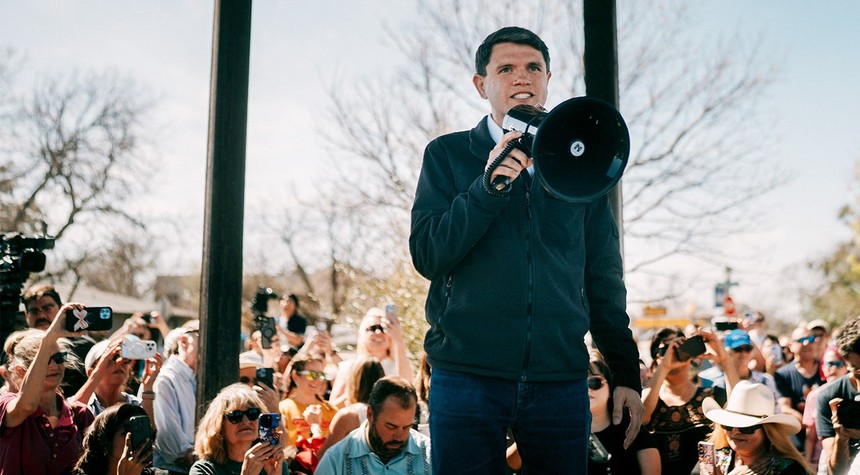
So let me get this straight. James Talarico, the Democratic nominee for a Texas Senate seat, vanishes from the campaign trail for nine days in October of an election year. The internet goes wild with rumors that he’s checked into a behavioral health facility in Ohio, more than a thousand miles from home. Conservative voices amplify the speculation. His campaign insists he’s just got the flu and he’s resting at home in Austin. And now we learn that his team had time-stamped security camera footage the entire time proving exactly where he was.
You know what? That’s not a defense. That’s an indictment of political malpractice so staggering it makes you wonder who’s actually running this operation.
The New York Times confirmed Monday that they reviewed these security images showing Talarico at his Austin residence between October 1 and October 8. The campaign handed over the footage but asked the Times not to publish it for security reasons. Fair enough on the security concern, I suppose. But here’s the thing that should make every voter’s blood boil. This evidence existed while the rumor was spreading like wildfire across social media. It was sitting there, unused, while Talarico’s credibility took hit after hit.
GOP strategist Mark Bednar nailed it when he told Fox News Digital that if you’ve got a simple explanation like an illness, just prove it to voters. “It’s mind-numbing malpractice that his campaign didn’t quickly and easily demonstrate that,” he said. Mind-numbing is right. We’re talking about October in an election year. Every single day matters. Every hour counts. Candidates are supposed to be shaking hands, kissing babies, doing the retail politics that actually wins over undecided voters in tight races.
And let’s talk about what modern campaigns actually require. Matt Gorman from Targeted Victory put it plainly. You’re running for Senate in one of the biggest states in America, not hiding in some corporate cubicle. Use technology. Record a video directly to camera. Do a livestream from your couch. Show people you’re alive and breathing and just temporarily under the weather. To go completely dark? That’s not strategy. That’s surrender.
The whole mess got worse when Talarico’s campaign reposted footage from a February rally on October 3 without marking it as old content. His team says they routinely repost older social media material. Maybe so. But timing matters. Context matters. When you’re already facing questions about your whereabouts, sharing old rally footage without clear dating looks like you’re trying to create the illusion of current activity. It’s the kind of move that feeds conspiracy theories instead of starving them.
Washington Free Beacon reporter Chuck Ross pointed out the obvious. That security footage could have been released a week earlier and squashed the rumors before they grew legs. Instead, the Talarico campaign let speculation run wild, allowed prominent conservatives to question his fitness for office, and permitted an unsubstantiated theory about psychiatric treatment to dominate the conversation during crucial campaign weeks.
Here’s what really grates. This isn’t about whether Talarico actually had the flu. He apparently did. He appeared virtually at an event on September 30 looking visibly sick and told people he’d come down with it. The security footage backs up his story. The problem is the response, or rather the lack of one. In politics, perception is reality until you actively change the narrative. Letting false narratives fester is political suicide, especially when you’re holding the antidote in your hand.
Think about the message this sends to voters. If a campaign can’t manage a simple health-related absence with basic transparency, how’s that candidate going to handle the complex challenges of serving in the Senate? If they can’t figure out how to use readily available evidence to counter false claims, what does that say about their judgment under pressure?
The conservative criticism here isn’t about kicking someone when they’re down or exploiting illness. It’s about competence and accountability. Voters in Texas deserve candidates who understand how campaigns work in 2024 and beyond. That means using available tools to communicate directly and honestly. It means understanding that silence creates vacuums and vacuums get filled with speculation.
Limited government starts with electing people who demonstrate basic competence in their own operations. Free markets reward efficiency and punish waste. Traditional principles include straightforward honesty. Talarico’s campaign violated all of these during those nine days. They wasted time. They squandered trust. They chose opacity over transparency when transparency was sitting right there on security cameras.
The debunking has arrived. The record is now clear. But the damage to Talarico’s campaign credibility? That’s a different story. And honestly, it’s entirely self-inflicted.
Related: New York Socialist Says Criminal Past of Man Shot by ICE Doesn’t Matter at All