
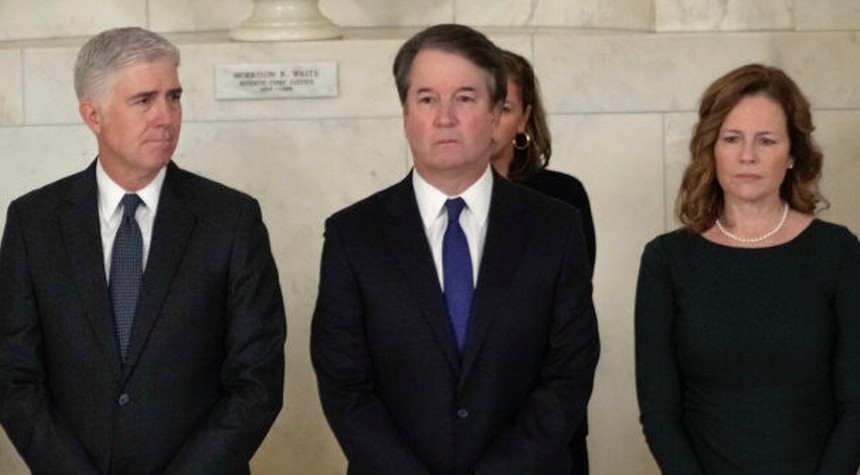
President Trump dropped a political grenade this week when he told TIME Magazine he regrets nominating all three of his Supreme Court justices. Every single one. Neil Gorsuch, Brett Kavanaugh, Amy Coney Barrett. The names that conservatives once cheered are now on Trump’s disappointment list because, in his words, they’ve “voted against me too often.”
Let’s be honest about what’s happening here. This isn’t just presidential frustration bubbling over in an interview. This is a fundamental misunderstanding of what the Supreme Court is supposed to be, and it’s troubling no matter which side of the aisle you call home.
Trump’s complaint centers on two major rulings. The first struck down his birthright citizenship restrictions back in June, with Barrett and Kavanaugh joining the majority against him (Gorsuch actually dissented in Trump’s favor on that one). The second ruling gutted his global tariffs in February, which Trump claims could have been salvaged with “a little clause” that would’ve saved the government $400 billion. He’s not happy, and he’s not hiding it.
“I gave them the position of a lifetime, and they vote against me often,” Trump said. There’s the rub. The phrase “I gave them” carries an expectation of reciprocity that shouldn’t exist in our judicial system. Supreme Court justices aren’t employees. They’re not cabinet members who serve at the pleasure of the president. They’re lifetime appointees specifically designed to be insulated from political pressure, including pressure from the person who nominated them.
You know what’s genuinely concerning here? Trump praised the Democratic appointees for voting as a bloc, calling their loyalty admirable. When pressed on whether he wanted loyalty from his own picks, he said, “I do like loyalty, yeah,” before quickly adding, “No, I don’t want loyalty. I want good decisions.” That’s a telling backtrack. The initial instinct revealed the expectation.
Conservative judicial philosophy has always championed one thing above all else: interpreting the Constitution as written, not as we wish it were written. That’s originalism. That’s textualism. That means sometimes you get rulings you don’t like because the law doesn’t say what you need it to say. A true conservative understands this. The alternative is judicial activism, where judges twist the law to fit desired outcomes, and we’ve spent decades rightfully criticizing the left for exactly that approach.
Here’s the uncomfortable truth. If these justices are ruling against Trump on birthright citizenship and emergency tariffs, maybe, just maybe, the legal arguments weren’t as solid as the political desire behind them. The Fourteenth Amendment’s citizenship clause is pretty clear. The separation of powers between the executive and legislative branches on matters of taxation and spending is fundamental constitutional architecture. These aren’t radical left positions; they’re basic constitutional constraints that conservatives have defended for generations.
The irony is thick enough to choke on. Conservatives fought for decades to get originalist judges on the court. We celebrated when Trump’s picks were confirmed because they represented a return to constitutional fidelity over judicial legislation. Now the president who appointed them is upset because they’re doing exactly what they were supposed to do: ruling on law, not loyalty.
This matters beyond Trump’s personal grievances. The independence of the judiciary is one of those things that sounds abstract until you lose it. Once you establish the precedent that Supreme Court justices owe their appointing president favorable rulings, you’ve destroyed the separation of powers. You’ve turned the highest court in the land into an extension of whoever happens to be president. That’s not conservatism. That’s not even American.
Trump also wrote on Truth Social that these justices are “merely a shell of their original selves” and not the people he interviewed. But perhaps they’re exactly who they said they were, and the expectation was wrong from the start. Constitutional judges apply the law as written. Sometimes that means the president loses. Sometimes that means Congress loses. Sometimes that means people we voted for don’t get the outcomes they promised because the Constitution stands in the way.
And honestly? That’s the whole point. Limited government means the government is limited, even when our guy is in charge.
Related: An 18-Year-Old Girl Is Dead Because Democrats Refuse to Let Police Do Their Jobs