
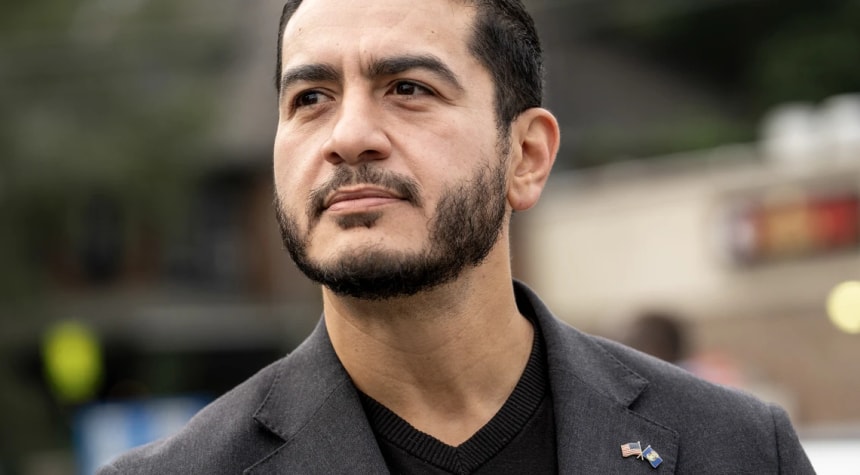
President Trump has opened the door to working with Democrats on universal healthcare, responding to an unusual pitch from Michigan Senator-elect Abdul El-Sayed who suggested rebranding government-run healthcare as "Trumpcare." The progressive Democrat’s gambit represents either genuine bipartisan outreach or a clever political trap, depending on your perspective.
El-Sayed posted mock images of gold-colored "Trumpcare" cards on social media, playing to the president’s aesthetic preferences while advocating for Medicare for All style coverage "from cradle to grave." Trump reposted the content without comment, but his subsequent statements reveal he is considering collaboration with Democrats on healthcare policy once they assume control of Congress.
Here are the facts. Trump stated in interviews that he believes the government could "do tremendous things on healthcare" and emphasized the potential for bipartisan cooperation. He acknowledged that both parties have valid points on the issue, suggesting a willingness to compromise that will undoubtedly concern conservative Republicans who spent years fighting government expansion into healthcare markets.
This represents a significant shift in rhetoric. Republicans campaigned for years on repealing government healthcare mandates, not expanding them. The conservative position has consistently emphasized market-based solutions, healthcare savings accounts, and increased competition across state lines to drive down costs. Universal healthcare means government control, rationing, and the elimination of private insurance markets that currently serve millions of Americans.
Trump’s openness to these discussions raises serious questions about policy direction. While bipartisanship sounds appealing in theory, the substance matters enormously. Medicare for All proposals carry staggering price tags estimated in the tens of trillions of dollars. They require massive tax increases, eliminate private insurance choice, and place healthcare decisions in the hands of government bureaucrats rather than patients and doctors.
The president did maintain he retains veto power, posting an image of himself wearing "VETO" branded apparel as a reminder of his constitutional authority. He stated he would not simply veto everything Democrats pass, but also emphasized he would use that power if Democrats prove "destructive."
El-Sayed responded by offering to work with Trump alongside progressive senators including Bernie Sanders and Elizabeth Warren, two of the most left-wing members of Congress. This coalition hardly inspires confidence in fiscally responsible healthcare reform.
The political calculation here appears transparent. Democrats are attempting to co-opt Trump’s brand recognition and his desire for legislative accomplishments to advance their long-standing goal of government-run healthcare. By attaching Trump’s name to the proposal, they hope to neutralize Republican opposition and claim bipartisan victory.
Conservative principles on healthcare remain clear. Americans deserve affordable, accessible healthcare through competitive markets, not government monopolies. Any bipartisan deal must preserve choice, control costs through competition rather than rationing, and avoid the failed socialist healthcare models that have produced waiting lists and inferior care in other nations.
Trump’s willingness to negotiate deserves scrutiny. Bipartisanship for its own sake accomplishes nothing if the resulting policy expands government power, increases the tax burden, and reduces healthcare quality for Americans. The devil remains in the details, and those details will determine whether any proposal merits support or fierce opposition.
Related: Senate Passes Critical Permitting Reform After Months of Legislative Gridlock