
The Senate advanced the Bipartisan American Affordability and Jobs Act of 2026 Thursday night, marking a significant victory for Republicans who have spent years attempting to dismantle the bureaucratic nightmare that is America’s permitting system. This matters. Here is why.
For decades, the United States has watched its infrastructure development crawl at a pace that would embarrass a third-world nation. Environmental reviews stretch for years. Legal challenges pile up like cordwood. Projects die in regulatory purgatory. The result has been predictable: higher costs for consumers, delayed energy development, and an economy handicapped by its own red tape. This legislation represents a genuine attempt to address these failures.
The bill accomplishes several critical objectives. It accelerates environmental reviews, limiting the endless regulatory cycles that have become weapons in the hands of radical environmental activists. It restricts frivolous legal challenges that serve no purpose beyond delaying legitimate projects. It expands the electric grid, which is desperately needed as America’s energy demands continue to grow. Perhaps most importantly, it streamlines energy development across all sectors, including oil, gas, and yes, renewable energy sources.
Senator Shelley Moore Capito of West Virginia correctly noted that the legislation makes infrastructure development faster and more efficient without sacrificing environmental protections. This is the proper balance. Nobody is advocating for environmental destruction. What conservatives have consistently argued is that there exists a rational middle ground between responsible environmental stewardship and economic paralysis. This bill attempts to find that ground.
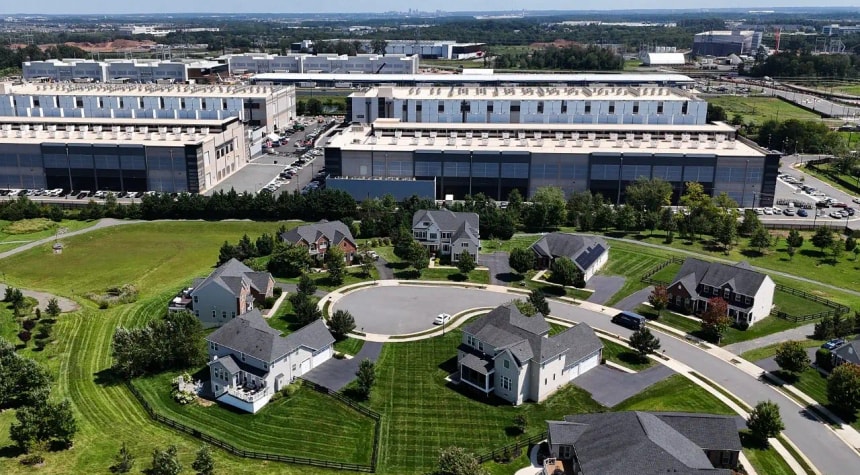
The legislation also addresses the data center problem, which has emerged as a flashpoint issue. These facilities consume enormous amounts of electricity, and without proper safeguards, the costs get passed directly to ordinary ratepayers. Senator Martin Heinrich of New Mexico pushed for language that would shield consumers from these expenses. The bill requires data centers using at least 20 megawatts of power to cover their own infrastructure costs, provide financial guarantees, and pay for any upgrades their operations necessitate. This is basic fairness. Big tech companies should not be subsidized by working families struggling to pay their electric bills.
The bipartisan nature of this legislation deserves acknowledgment. After months of negotiations, Republicans and Democrats found common ground, with buy-in from the White House. This demonstrates that when both parties focus on substantive policy rather than political theater, progress remains possible.
However, the bill’s fate in the House remains uncertain. Senator Alan Armstrong of Oklahoma, who has made permitting reform his primary focus since his appointment earlier this year, expressed optimism about bipartisan support in the lower chamber but raised concerns about attendance issues. This reflects a broader problem in Congress: lawmakers who cannot be bothered to show up and vote on critical legislation affecting millions of Americans.
The legislation represents a rare opportunity to address America’s infrastructure crisis and energy development challenges simultaneously. Whether House members will seize this opportunity or squander it through absence and inaction remains to be seen. For now, Senate Republicans can claim a significant victory in their effort to remove government barriers to economic growth and energy abundance.
Related: Christianity’s Decline in America Threatens More Than Our Faith