
Judge David Carpenter wants you to know he’s very concerned about government overreach. Just not the kind that might’ve saved lives.
The Alabama circuit court judge, a self-described "far left, liberal, progressive, democratic socialist," is making headlines again. This time he’s calling Aniah’s Law, a voter-approved measure that allows courts to deny bail for certain violent offenders, a "direct assault" on constitutional rights. It’s a bold stance from someone whose track record includes releasing criminals who went on to kill and injure dozens of people.
Let’s be clear about what we’re discussing here. Aniah’s Law wasn’t drafted in some smoke-filled room by power-hungry bureaucrats. Alabama voters overwhelmingly passed it in 2022, then expanded it this year to cover additional violent offenses like attempted murder and discharging firearms into occupied buildings. You know, the kind of crimes that suggest someone might be a danger to society. The law is named after Aniah Blanchard, a 19-year-old college student who was kidnapped and murdered by a man out on bail for kidnapping and assault. Her story moved an entire state to action.
But Carpenter sees things differently. He’s posted on social media comparing concerns about license plate surveillance cameras to pretrial detention, as if spotting your Honda Civic on a public road is somehow equivalent to keeping accused violent criminals behind bars until trial. "We are all one accusation away from being a criminal defendant," he wrote on Facebook, invoking the presumption of innocence like it’s a get-out-of-jail-free card for anyone charged with a violent crime.
Here’s what the presumption of innocence actually means. It guarantees you a fair trial. It places the burden of proof on the state. It protects you from being punished before conviction. It doesn’t mean judges must ignore the nature of charges, criminal history, or danger to the community when making bail decisions. That’s not constitutional scholarship. That’s common sense wrapped in legal reasoning that every law student learns in their first semester.
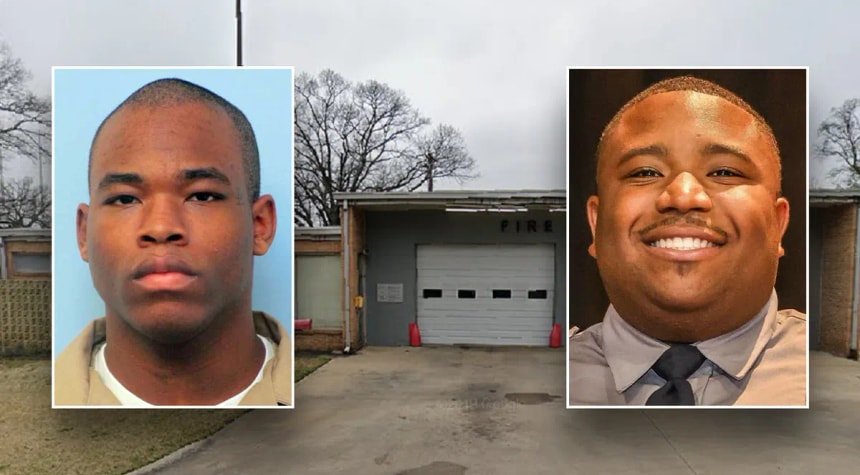
Carpenter’s philosophical musings might carry more weight if his judicial decisions hadn’t left a trail of bodies. In April 2023, he approved a plea deal for Damien McDaniel, who’d been arrested in 2019 for shooting two people when he was 17. After his release, McDaniel allegedly embarked on a 14-month shooting spree that killed 18 people and injured more than 30 others across Alabama. Eighteen people. Let that number sit with you.
Then there’s Raukeem Cunningham. Carpenter granted him bond in connection with the 2022 shooting death of a teenage girl. While out on that bond, Cunningham was arrested and charged with fatally shooting three more people at a gas station in Bessemer in 2024. Three more families destroyed because a judge believed in second chances over public safety.
And we can’t forget Fredrick Terrenda Hampton. Carpenter dismissed a 2015 rape charge against him in 2019. Two days later, Hampton met Paighton Houston, who subsequently disappeared. Her body was found buried behind a home after she died of an accidental overdose. Hampton pleaded guilty to abuse of a corpse in connection with her death. Carpenter gave him a 20-year split sentence with only three years to serve in custody. Three years for desecrating a human being.
This isn’t Monday morning quarterbacking. These are patterns that reveal priorities. During his campaign for judicial office, Carpenter said he wanted to "reform the criminal justice system in Alabama" and "reduce the number of repeat offenders while addressing the expensive problem of prison overcrowding." Noble goals, perhaps, but the road to hell is paved with good intentions and lenient judges.
The uncomfortable truth is that criminal justice reform has become a kind of secular religion for some on the left. The logic goes something like this: America incarcerates too many people, our system is racist and broken, therefore we must release as many defendants as possible and trust that most won’t reoffend. It’s a worldview that treats criminals as victims of circumstance while actual victims become footnotes in someone’s thesis about systemic injustice.
But real reform requires balancing competing values. Yes, we should presume innocence. We should also acknowledge that some people pose genuine threats to public safety. Yes, we should avoid unnecessary pretrial detention. We should also recognize that bail serves a purpose beyond punishment. It protects communities. It ensures defendants appear for trial. It acknowledges reality instead of retreating into abstraction.
Carpenter’s comparison to surveillance cameras is particularly revealing. He’s baffled that people who oppose government monitoring of their daily movements aren’t equally upset about laws letting judges detain violent offenders before trial. But these aren’t parallel concerns. One involves the state tracking law-abiding citizens going about their business. The other involves the state protecting citizens from people accused of serious violent crimes. The difference isn’t subtle.
Alabama voters understood this distinction when they passed Aniah’s Law by overwhelming margins. They weren’t demanding mass incarceration or abandoning constitutional principles. They were saying that judges need tools to keep dangerous people off the streets pending trial. They were saying that some risks aren’t worth taking. They were saying that Aniah Blanchard’s life mattered, and so do the lives of everyone who might become the next victim of misguided leniency.
The families of McDaniel’s alleged 18 victims probably aren’t worried about flock cameras right now. The relatives of the three people Cunningham allegedly killed at that gas station aren’t lying awake thinking about license plate readers. They’re wondering why a judge with the power to prevent these tragedies chose ideology over prudence.
Carpenter can dress up his decisions in constitutional language all he wants. He can invoke the presumption of innocence and warn about government overreach. But at some point, we have to judge judges by outcomes, not intentions. And the outcomes here speak volumes. Sometimes the greatest assault on rights isn’t keeping accused criminals in jail. It’s releasing them to destroy innocent lives.
Related: Border Apprehensions Drop to Historic Lows Under Trump Enforcement Measures