
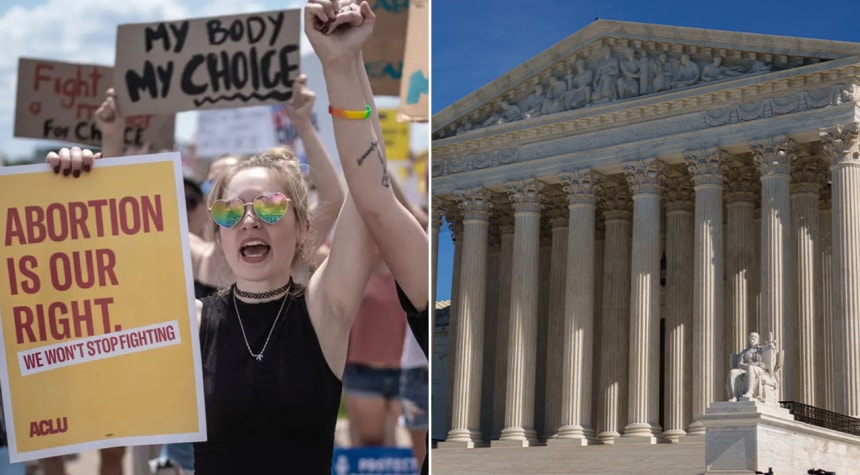
The Department of Justice has opened a criminal investigation into the unprecedented 2022 Supreme Court leak that exposed the draft opinion overturning Roe v. Wade, three years after the court’s internal investigation failed to identify the culprit. This represents a significant escalation in the pursuit of whoever committed what Justice Samuel Alito correctly characterized as a grave breach of trust.
The U.S. Attorney’s Office in Washington, D.C., is leading the probe, which has been underway for at least a year according to multiple sources briefed on the matter. Grand jury subpoenas have been issued, though the recipients remain unclear. The DOJ and U.S. Attorney’s Office have declined to comment, which is standard procedure for ongoing criminal investigations.
Let us be clear about what happened here. Someone with access to one of the most sensitive documents in American jurisprudence decided to violate centuries of institutional norms and leak a draft opinion to the press. This was not whistleblowing. This was not some noble act of civil disobedience. This was a calculated attempt to intimidate sitting Supreme Court justices and potentially alter the outcome of a case through public pressure and threats of violence.
The consequences were immediate and severe. As Alito noted in a recent interview, the leak made the five justices in the majority targets for assassination and nearly resulted in the murder of Justice Brett Kavanaugh. A California man was arrested near Kavanaugh’s Maryland home with weapons and burglary tools, explicitly intending to kill him. This is not theoretical danger. This is real, life-threatening violence prompted by someone’s decision to weaponize confidential court information.
Chief Justice John Roberts tasked Court Marshal Gail Curley with investigating the leak after Politico published the draft on May 2, 2022. After months of forensic analysis and interviews with nearly 100 employees, the court announced in January 2023 that investigators were unable to identify a person responsible by a preponderance of the evidence. The investigation examined court devices, networks, printers, and available call and text logs without finding forensic evidence identifying the source.
The investigation focused on approximately 70 people who may have had access to the draft, including roughly three dozen law clerks who worked directly with the justices. Here is where the facts become particularly interesting. Curley asked several permanent court employees who may have had access to turn over their cellphones and electronic devices. Law clerks serve one-year terms, meaning those who worked when the draft leaked have since completed their clerkships and moved on.
Alito has stated he has an opinion about who was responsible but lacks sufficient evidence to publicly identify that person. This suggests the court has a strong suspicion but cannot meet the evidentiary standard required for a formal accusation.
The marshal’s report found that expanded work-from-home arrangements during the coronavirus pandemic and gaps in security policies made it easier to remove sensitive information from the building and the court’s networks. Some employees admitted telling a spouse or partner about the draft, violating confidentiality rules. This is unacceptable at any level, but particularly at the Supreme Court where confidentiality is paramount to the institution’s functioning.
Former Homeland Security Secretary Michael Chertoff assessed the court’s investigative methods and concluded the investigation was thorough, stating he could not identify any additional useful investigative measures at that time. Apparently, the Justice Department disagreed or has developed new leads.
Justice Clarence Thomas accurately described the impact when he said losing that trust changes the institution fundamentally. The question now is whether federal prosecutors can succeed where the court’s internal investigation failed, and whether whoever committed this act will finally face consequences for undermining one of America’s most essential institutions.
Related: Scalise Warns GOP Committee Chairs to Brace for Democrat Oversight Weaponization