
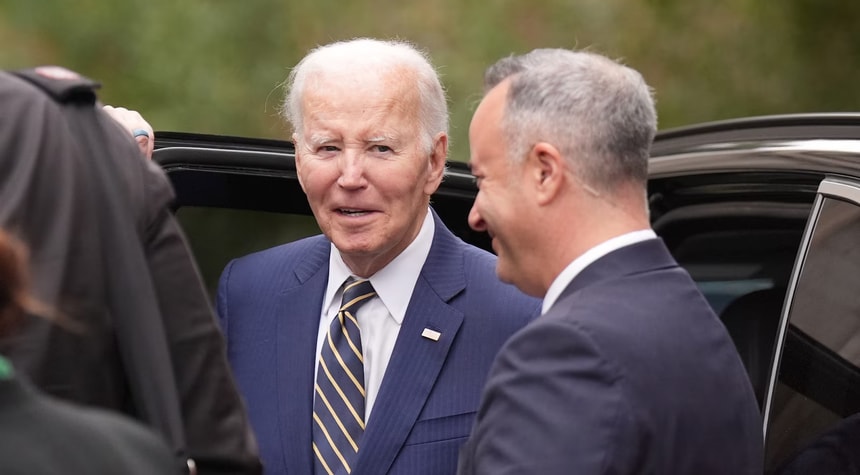
Former President Joe Biden’s memoir "Promise Me, America" sold approximately 21,000 copies in its first week on sale, according to Circana, which tracks roughly 85 percent of the physical book market. While the publisher rushed to celebrate the book topping The New York Times nonfiction bestseller list, the sales figures reveal a stark reality about public interest in Biden’s presidency.
Let us examine the facts. Barack Obama’s "A Promised Land" sold more than 800,000 copies within 24 hours of release in 2020, exceeding one million by week’s end. Bill Clinton’s "My Life" surpassed one million sales within two weeks of its 2004 publication. Biden’s 21,000 copies represents roughly two percent of Obama’s first-week sales. These are not comparable numbers by any reasonable standard.
The pattern extends beyond Biden himself. Former First Lady Jill Biden’s "View from the East Wing," published in June, has sold approximately 46,000 copies total according to Circana. Meanwhile, memoirs by Michelle Obama and Hillary Clinton both achieved million-seller status within a month of release. The Biden family’s literary appeal, or lack thereof, appears consistent across the board.
Critics have been underwhelming in their assessments of "Promise Me, America." Reviews characterize the memoir as largely unrevealing about Biden’s time in office and his decision not to seek reelection in 2024 amid widespread concerns about his age and health. The New York Times summarized the problem succinctly with their review headline: "Reflecting on 2024, Joe Biden Finds No Faults of His Own." A memoir that refuses to grapple honestly with one of the most significant decisions of a presidency holds limited value for readers seeking insight.
The 84-year-old Biden’s battle with stage 4 prostate cancer has understandably limited his promotional efforts for the book. This certainly affects sales to some degree. However, the fundamental issue transcends promotional schedules. The American people rendered their judgment on the Biden presidency in November 2024, and book sales merely reinforce that assessment.
Little, Brown and Company released a statement declaring themselves "immensely proud" of topping the New York Times nonfiction bestseller list. This represents the publisher’s attempt to frame underwhelming sales as success. Topping a bestseller list during a slow publishing week with 21,000 copies sold demonstrates how meaningless such designations can be when divorced from actual sales figures.
The marketplace speaks clearly. Readers vote with their wallets, and they have decisively voted against spending money on Biden’s reflections. When your memoir sells two percent of what your predecessor achieved, no amount of spin changes the underlying reality. The American people have moved on from the Biden presidency, and they evidently have little interest in revisiting it through his own self-serving narrative.
Related: Bruce Fischer’s Death Ruled Suicide Following New Investigation Details