
Russia has announced a significant change in its nuclear posture, declaring an end to its self-imposed restrictions on intermediate- and shorter-range missiles. This development stems from Moscow’s perception of provocative actions by the United States and its NATO allies.
The Russian Foreign Ministry stated on Monday, citing the “de facto deployment” of U.S. missile systems near Russian borders and across the Asia-Pacific region as the primary reason for this policy shift. The ministry claims that these deployments violate the spirit of the now-defunct Intermediate-Range Nuclear Forces Treaty, also known as the INF Treaty.
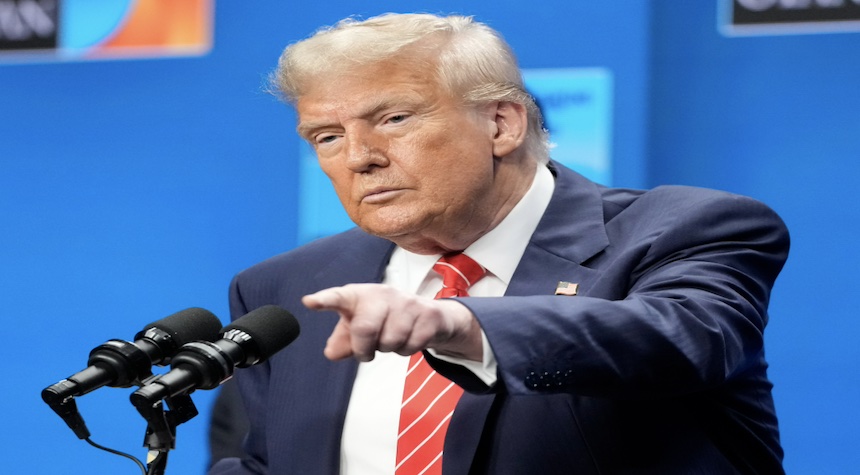
The Russian announcement follows President Donald Trump’s recent order to move two nuclear-armed submarines closer to Russian territory. Additionally, reports indicate that the U.S. has repositioned missile units in Eastern Europe, though official confirmation of the exact types and locations is lacking.
The INF Treaty, signed in 1987 between the U.S. and the Soviet Union, prohibited ground-based missiles with ranges of 500 to 5,500 kilometers. The United States withdrew from this treaty in 2019, citing alleged Russian violations – claims that Moscow has consistently denied.
Russia’s decision to end its unilateral moratorium on these missile systems raises concerns about a potential new arms race. Dmitry Medvedev, deputy chairman of the Russian Security Council, described this move as a “result of NATO countries’ anti-Russian policy” and warned of further steps to come.
The Russian Foreign Ministry has provided specific examples of what it considers provocative actions, including the deployment of various U.S. missile systems during military exercises in Australia, Denmark, and the Philippines. Moscow views these developments as a “buildup of destabilizing missile potentials” in regions adjacent to Russia.
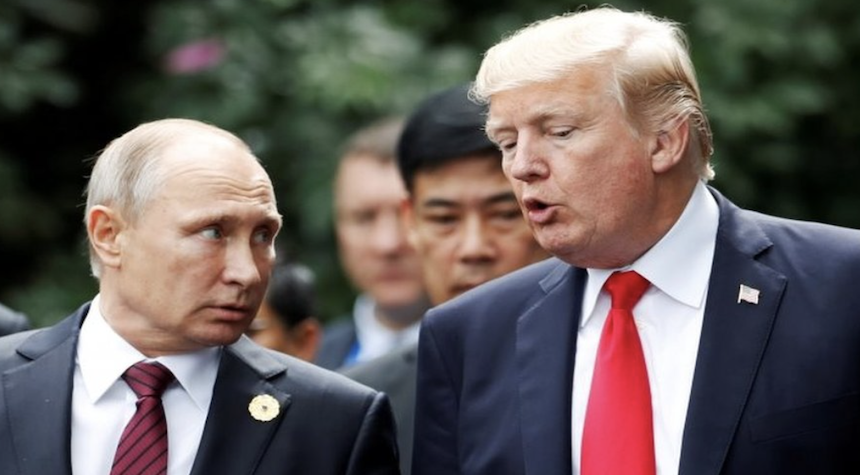
This situation unfolds against a backdrop of escalating tensions between Russia and the West, exacerbated by the ongoing conflict in Ukraine and disagreements over cybersecurity and election interference. The expansion of NATO eastward since the fall of the Soviet Union has been a persistent source of concern for Moscow.
As we consider these developments, it’s crucial to remember that both sides present compelling arguments. The United States and its allies maintain that their actions are defensive, while Russia insists it is responding to perceived threats to its national security.
The evidence suggests that this shift in Russian policy could have significant consequences for global strategic stability. As always, the importance of accurate information and diplomatic dialogue cannot be overstated in such complex international situations.