
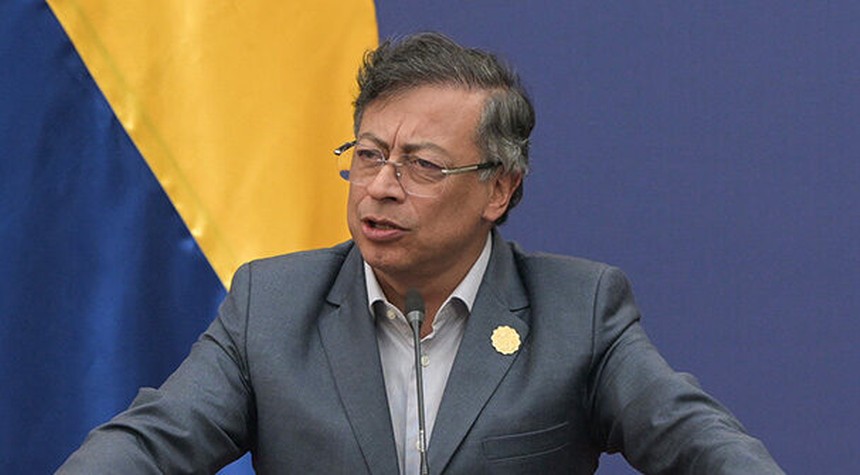
In a decisive move against the escalating narcotics crisis, former President Donald Trump announced an immediate suspension of U.S. aid to Colombia, directly challenging far-left Colombian President Gustavo Petro’s apparent inaction on drug trafficking.
The facts are clear: Colombia remains the world’s largest cocaine producer, with production reaching record levels under Petro’s administration. Despite receiving substantial American taxpayer dollars in aid and subsidies, the Colombian government has failed to implement effective countermeasures against the narcotics trade that directly threatens American lives.
Trump’s announcement comes on the heels of a successful U.S. military operation targeting narcoterrorists at sea. Intelligence confirmed the interdicted vessel was carrying enough Fentanyl and other illegal substances to potentially kill 25,000 Americans. Two terrorists were eliminated in the strike, while two survivors from Ecuador and Colombia were returned to their respective countries for prosecution.
The former president’s statement outlined the logical progression of events that necessitated this response: Colombia has become a haven for drug production, these drugs are explicitly intended for American markets, and the current Colombian administration appears unwilling or unable to address this critical security threat.
“The purpose of this drug production is the sale of massive amounts of product into the United States, causing death, destruction, and havoc,” Trump stated, highlighting the direct causation between Colombian drug production and American casualties.
The suspension of aid represents a significant shift in U.S.-Colombia relations. For decades, Colombia has received billions in American assistance, ostensibly to combat drug trafficking. However, under Petro’s leadership, this investment has yielded diminishing returns while drug production has surged.
Trump’s message to Petro was unequivocal: either address the “killing fields” in Colombia or face direct American intervention. This stance reflects a broader America-first approach to international security, prioritizing the protection of American lives over diplomatic niceties.
The Colombian government’s response has been notably measured, with Petro confirming that the captured narcoterrorist would face prosecution under Colombian law. However, this single prosecution does little to address the systemic issues Trump has identified.
This development represents a crucial turning point in American drug enforcement policy, demonstrating that the United States will no longer subsidize ineffective foreign drug control programs while American communities continue to suffer from the devastating effects of drug trafficking.
The facts speak for themselves: American taxpayers have funded Colombian drug control efforts for years, yet drug production has increased. This reality demands a new approach, and Trump’s decision to halt aid signals a commitment to results over rhetoric in the fight against international drug trafficking.
Related: Billionaire Democrat Governor Hits Vegas Jackpot While State Faces Challenges