
When the Loudest Voice Goes Quiet
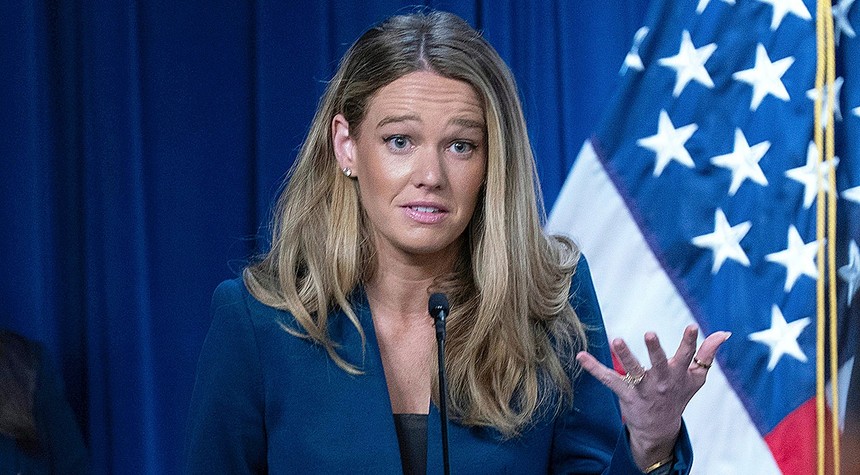
Tricia McLaughlin is leaving the Department of Homeland Security, and honestly, it feels like watching the last honest gunslinger hang up their holster. The DHS Assistant Secretary for Public Affairs, who became something of a legend for defending Trump’s immigration policies with the kind of backbone Washington forgot it had, is walking away next week.
She was supposed to leave back in December. That was the plan, anyway. But when you’re the administration’s go-to defender and things keep happening, you don’t just clock out. McLaughlin stayed through the Minneapolis tragedy last month, where Renee Good and Alex Pretti were shot and killed. Some people run from the hard moments. She ran toward them.
The Art of Fighting Back
Here’s what made McLaughlin different. She didn’t just issue carefully worded statements that said nothing in three hundred words. She fought. On X, formerly Twitter for those still adjusting, she became known for something rare in government communications: actually responding to critics. Not with poll-tested talking points, but with force.
Senate Judiciary Democrats would lob accusations about immigration enforcement operations. McLaughlin would fire back. It wasn’t pretty, and it wasn’t always polite, but it was real. You know what that kind of authenticity costs in Washington? Everything. Because the moment you stop hiding behind bureaucratic language, you become a target.
And she became one. A big one.
Why This Matters Beyond One Person
The departure of a communications official doesn’t usually merit much attention. Spokespeople come and go like seasons. But McLaughlin represented something bigger than her job title. She was the human face of policies that half the country despised and half the country desperately wanted enforced.
Immigration enforcement isn’t some abstract policy debate for most Americans anymore. It’s the thing they see on their news feeds every morning. It’s the conversation at dinner tables. It’s what makes neighbors stop talking to each other. McLaughlin stood in that fire willingly, defending actions that she believed protected American sovereignty and security.
The free market of ideas requires people willing to actually compete in it. Not just participate when it’s safe, but compete when the mob is calling for your head. That’s what limited government actually looks like in practice. Not endless committees studying problems, but individuals taking responsibility and accepting the consequences.
The Vacuum She Leaves
DHS will replace McLaughlin. They’ll find someone else to handle public affairs. But will that person have the same willingness to engage? To push back? To treat critics like adults capable of hearing disagreement?
Probably not. The incentive structure in government communications rewards caution, not courage. It promotes the kind of people who’ve mastered the art of saying absolutely nothing while using all the right words. McLaughlin never learned that skill, or maybe she just refused to use it.
Traditional principles used to include the idea that public servants should be honest with the public. Somewhere along the way, we replaced honesty with message discipline. We swapped conviction for consensus. McLaughlin’s tenure reminded people what the old way looked like.
What Comes Next
She’s leaving behind an administration that’s still fighting the same battles she defended. Immigration enforcement continues. The policies remain. But the voice changes, and voices matter more than we admit.
The timing is interesting too. Leaving now, after delaying once already, suggests either exhaustion or opportunity elsewhere. Maybe both. Defending controversial policies takes a toll that people outside the arena can’t fully appreciate. Every statement parsed for weakness. Every word weaponized by opponents. Every defense treated as an admission of guilt.
That’s the cost of standing for something specific rather than everything general. It’s the price of choosing sides in a country that pretends neutrality is possible on questions that matter.
McLaughlin chose a side. She defended it without apology. And now she’s moving on, leaving behind a reminder that conviction still exists in government, even if it’s increasingly rare.
Related: Mamdani’s Sermon Reveals the Real Goal Behind Sanctuary Politics