
Courtney P. Williams walked into work every day with access to some of the most sensitive military intelligence this country possesses. She held a Top Secret/Sensitive Compartmented Information clearance, the kind that gets you into rooms where they discuss things most Americans will never know about. And according to federal prosecutors, she decided to share those secrets with a journalist over the course of several years.
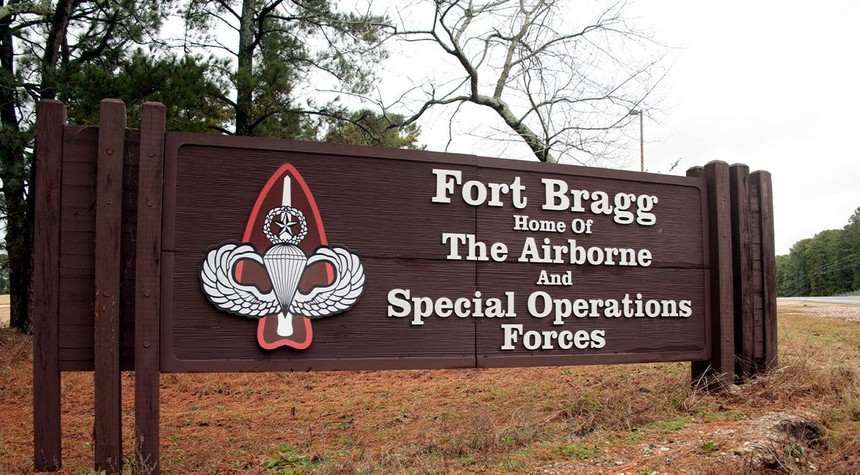
The FBI arrested the 40-year-old Army veteran on Tuesday. She’s now facing charges of unlawfully transmitting national defense information, specifically classified tactics used in covert missions by elite military units stationed at Fort Bragg in North Carolina. We’re talking about TTPs here, tactics, techniques, and procedures, the kind of operational details that keep our special forces alive when they’re doing the work nobody else can do.
Here’s what gets me about cases like this. Williams didn’t just stumble into this information. She was trusted with it. She earned that clearance through service and vetting, and somewhere along the way, she made a choice that put American lives at risk. The complaint alleges she knew exactly what she was doing too. Investigators say she admitted to her own mother that she could be arrested for exposing sensitive operations. Think about that for a second. She understood the consequences and did it anyway.
The charge she’s facing falls under 18 U.S.C. § 793(d), part of the Espionage Act. That’s not some minor bureaucratic violation. That’s the real deal, the kind of statute that carries serious prison time because it addresses serious harm to national security. When you leak information about how our most elite units operate, you’re not just sharing government gossip. You’re potentially giving adversaries a roadmap to counter our tactics, to anticipate our moves, to kill our people.
And let’s be honest about the journalist angle here. We champion press freedom in this country, and rightfully so. A free press is essential to holding government accountable. But there’s a massive difference between reporting on government waste or constitutional overreach and publishing classified operational details that compromise active military missions. One serves the public interest. The other serves no one but our enemies.
The fact that Williams worked at Fort Bragg, home to some of our most specialized units, makes this even more troubling. These aren’t regular Army operations we’re talking about. The Special Military Units at Fort Bragg conduct missions that require absolute operational security. When that security breaks down, people die. It’s that simple.
You know what bothers me most? We’ve seen this pattern before. People with access decide they know better than the system designed to protect classified information. They convince themselves they’re whistleblowers or that the public has a right to know, when really they’re just breaking their oath and endangering lives. There are proper channels for reporting genuine wrongdoing, channels that don’t involve handing classified TTPs to reporters.
Williams allegedly maintained this relationship with the investigative reporter for years. That’s not a momentary lapse in judgment. That’s a sustained decision to betray the trust placed in her by the military and by the American people. Every time she passed along another piece of classified information, she made that choice again.
The investigation is ongoing, and Williams deserves her day in court like anyone else. But if these allegations prove true, she’ll have earned whatever consequences follow. National defense isn’t a game. The men and women who rely on operational security to complete their missions and come home alive deserve better than this.
Related: From Chinese Spies to NDA Accusations and California Wants This Guy as Governor