
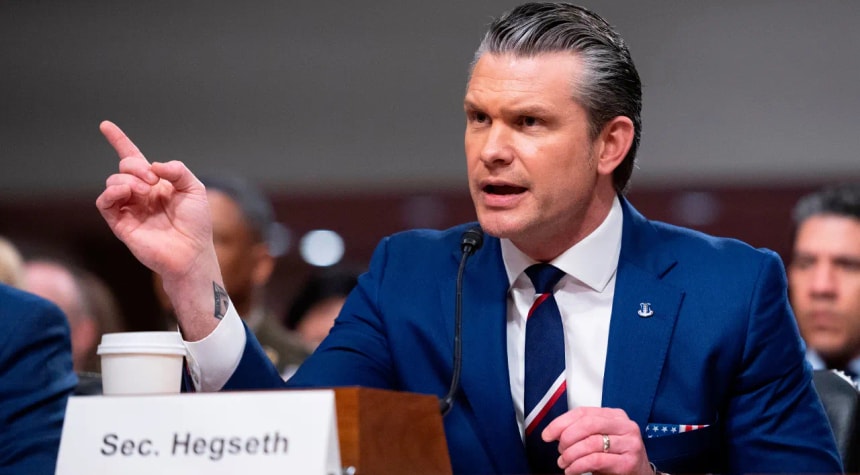
Pete Hegseth isn’t backing down, and honestly, why should he? The War Secretary went on offense Thursday, demanding Congress cough up at least $350 billion for defense while swatting away impeachment threats like the political mosquitoes they are. In a video posted to X, he made his case clear: the military needs money, the Pentagon needed fixing, and he’s not apologizing for doing what needed doing.
Here’s what’s actually happening. Rep. Thomas Massie, a Kentucky Republican who lost his primary back in May, introduced eight articles of impeachment against Hegseth in September. The charges revolve around alleged violations of congressional war powers during the Iran conflict and supposed abuses of authority in other military operations. Massie plans to revive this effort when Congress reconvenes next week. The House hasn’t voted on any of it yet, which tells you something about how seriously most people are taking this.
You know what’s remarkable? A defeated congressman teaming up with Democrats to go after a cabinet secretary who’s actually trying to rebuild American military strength. Hegseth called it exactly what it is: a disgruntled politician’s last hurrah, dressed up as constitutional concern. The timing reeks of coordination, the kind of Washington theater that makes regular Americans roll their eyes.
Trump’s standing by his man. The president told reporters Thursday he has zero intention of removing Hegseth from his Cabinet, impeachment push or not. That vote of confidence matters because it signals this administration isn’t going to flinch every time Congress throws a tantrum.
The real story here isn’t the impeachment noise. It’s what Hegseth has been doing at the Pentagon and why it’s making certain people nervous. He’s gutted diversity, equity, and inclusion programs. He’s removed military leaders he deemed unfit. He’s overhauled recruitment strategies. These aren’t cosmetic changes; they’re structural reforms aimed at returning the military to its core mission of winning wars and deterring enemies.
Critics call it abuse of authority. Supporters call it long overdue housecleaning. The difference between those perspectives basically defines our current political divide. Do you want a military focused on pronouns and social engineering, or one that prioritizes lethality and readiness? Hegseth clearly chose the latter, and he’s not pretending otherwise.
The former Biden administration left the Pentagon in what Hegseth described as complete disarray. He specifically called out former Defense Secretary Lloyd Austin for policies that prioritized political correctness over military effectiveness. Whether you agree with that assessment depends largely on whether you think the military’s job is to reflect society or protect it. Those aren’t necessarily the same thing, though plenty of people pretend they are.
Hegseth’s request for $350 billion isn’t pulled from thin air. The defense industrial base has been hollowed out over decades. China’s building ships faster than we can count them. Russia’s war in Ukraine exposed massive ammunition shortages across the Western alliance. Iran’s getting closer to nuclear capability. These aren’t hypothetical threats; they’re current realities requiring actual resources and serious planning.
The War Secretary defended the administration’s Iran campaign as a historic effort to prevent Tehran from getting the bomb. Whether that campaign contributed to Republican midterm losses, as some critics claim, is a separate question from whether it was strategically necessary. Politics and policy don’t always align, which is something Massie apparently learned the hard way in his primary defeat.
What’s most telling is Hegseth’s message to the troops themselves. Ignore the noise, he told them. Never hesitate. That’s leadership speaking directly to the people who actually have to execute policy under fire, the men and women who don’t have time for Washington’s endless appetite for drama and recrimination.
The broader fight here is about who controls military policy and how much independence the executive branch should have in conducting operations. Those are legitimate constitutional questions worth debating. But they’re not being debated in good faith when a lame duck congressman teams up with opposition party members to score political points rather than actually change outcomes.
Congress will return next week. Massie will probably make his move. The House will either vote or it won’t. Trump will keep Hegseth regardless. And the Pentagon will continue its transformation from whatever it became under the previous administration into whatever this administration wants it to be. That’s how elections work. That’s how governance works. You win, you implement your vision, and the other side spends its time trying to stop you.
Hegseth ended his video with a promise: we will not back down. We put America and the warfighter first, always and without apology. That’s either inspiring or infuriating depending on where you sit. But it’s certainly clear. In an age of hedged statements and careful positioning, there’s something almost refreshing about a cabinet secretary who just says what he means and means what he says.
The $350 billion question remains whether Congress will actually provide the funding Hegseth demands. That answer will tell us more about American priorities than any impeachment vote ever could.
Related: CAIR Closes Its Doors in Florida and That’s Exactly What Should Happen