
A federal judge has just handed down a ruling that has profound implications for our national discourse on immigration and national security. On Tuesday, a legal decision was made that President Donald Trump holds the authority, under a law that dates back to times of war, to deport members of a Venezuelan gang, recognized as a terrorist group. This decision makes it a pivotal moment in our judicial system and has sparked urgent calls for the Supreme Court to intervene.
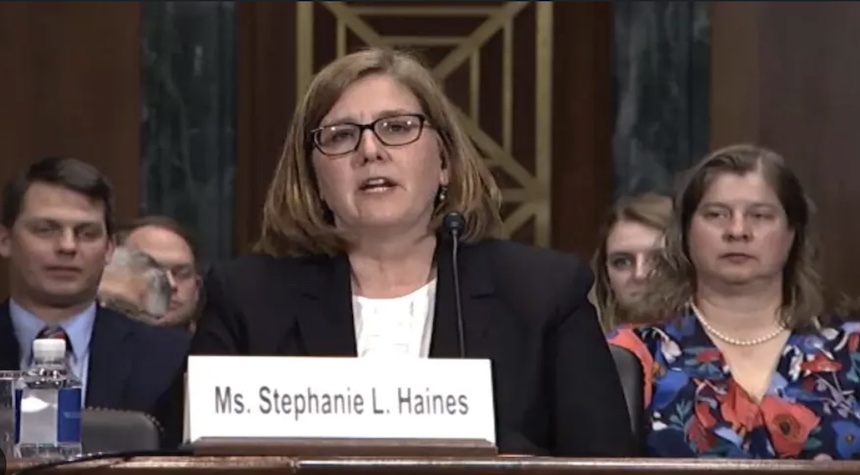
U.S. District Judge Stephanie Haines, a Trump appointee hailing from the Keystone State of Pennsylvania, concluded that the president can indeed use the Alien Enemies Act to expel individuals affiliated with foreign terrorist entities. This comes with the caveat, however, that detained migrants must be given notice of deportation in both English and Spanish, with a grace period of 21 days.
The power of the president, the reach of the law, and the rights of individuals often find themselves at a crossroads. The latest ruling will not go unchallenged. The American Civil Liberties Union, steadfast in its mission to defend individual rights, has already filed multiple lawsuits contesting Trump’s use of the AEA, and now directs its appeal to the Supreme Court, hoping to bring consistency to the nation.

How will this legal debate unfold? There are conflicting rulings from federal judges in Texas, New York, and Colorado, creating an inconsistent landscape of legal interpretation across the country. While Judge Haines refrained from commenting on whether gang members specifically fall under AEA jurisdiction, she limited her ruling to the president’s authority against classified terrorist groups. Her decision now allows the administration to proceed with deportations in the Western District of Pennsylvania, given that they provide proper notice.
The Alien Enemies Act, a relic of 1798 lawmaking, offers the president powers to deport during an “invasion” or “predatory incursion” by a foreign power. Despite its creation for use during wartime, the president invoked it in March to expel more than a hundred migrants, deporting them to a prison facility in El Salvador.
With the capacity to interpret it differently in various jurisdictions across the country, we find ourselves at a juncture in our judicial and democratic processes. As we wait for the Supreme Court to weigh in, we must remember that, at its core, this issue goes beyond legal technicalities to touch the very lives of the people it affects.