
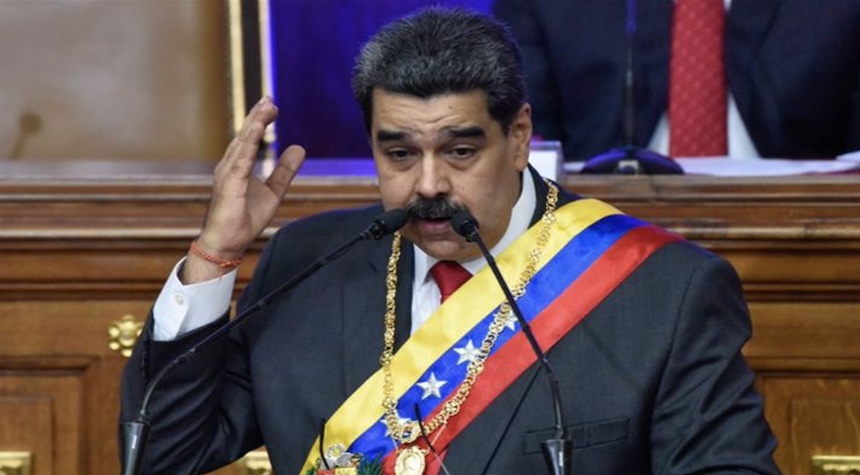
The United States government has taken a significant step in its ongoing efforts to apprehend Venezuelan President Nicolás Maduro. According to reliable sources, the Trump administration has doubled the reward for Maduro’s arrest to $50 million, citing allegations of narco-trafficking on a massive scale.
Attorney General Pam Bondi announced the increased bounty, accusing Maduro of collaborating with drug cartels to distribute fentanyl-laced cocaine into the United States. This development follows earlier reports of Maduro’s indictment in 2020 on federal charges of narco-terrorism and conspiracy to import cocaine.
The reward for Maduro’s capture has seen a gradual increase over time. Initially set at $15 million during the first Trump presidency, it was later raised to $25 million by the Biden administration – a figure equivalent to the bounty once placed on Osama bin Laden following the September 11 attacks.
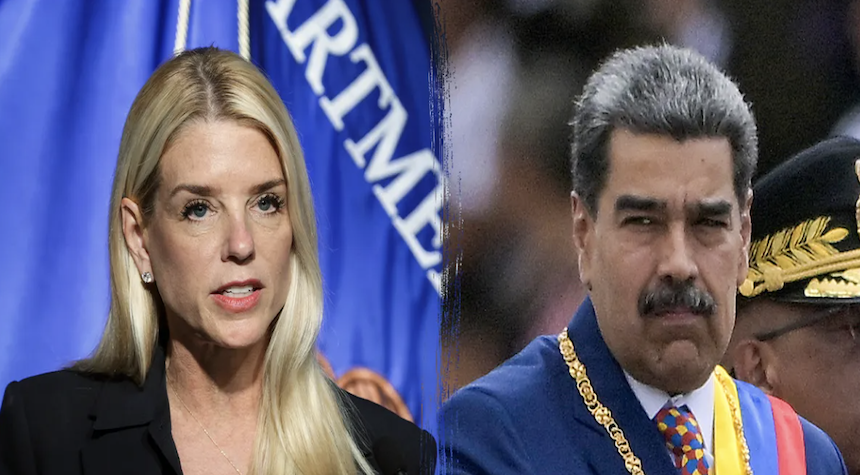
Maduro remains in power despite international condemnation of his 2024 reelection, which many governments deemed illegitimate. The significance becomes clear when we consider recent diplomatic maneuvers, including a prisoner exchange between the U.S. and Venezuela, and the easing of certain sanctions allowing limited oil production.
The Justice Department has seized over $700 million in assets allegedly linked to Maduro, including two private jets. The evidence suggests a connection between the Venezuelan leader and approximately 7 million tons of confiscated cocaine.
This raises important questions about the effectiveness of international pressure and the complexities of diplomatic relations in the face of serious criminal allegations. As of this broadcast, Maduro’s office has not responded to requests for comment on these latest developments.