
## When Promises Meet Reality
Remember when Trump was the guy who’d keep us out of foreign messes? The candidate who mocked nation building and promised to bring our troops home? That version of Donald Trump feels like ancient history now.
Because what we witnessed this weekend wasn’t just a military operation in Venezuela. It was the unveiling of an entirely new foreign policy doctrine, one that makes his first term look downright isolationist by comparison.
Trump authorized a raid that captured Nicolás Maduro. Then he announced we’d temporarily run Venezuela and rebuild its oil industry. Let that sink in for a moment. We’re talking about the same president who spent years railing against exactly this kind of intervention.
## The Threats Keep Coming
But Venezuela wasn’t the end of it. Not even close.
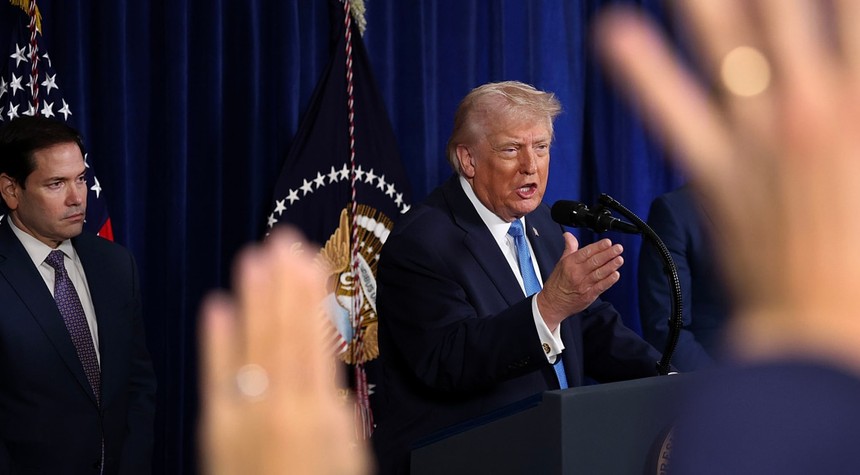
Standing at that news conference Saturday, Trump went down a list of countries like he was reading off a to-do list. Colombia’s president is “making cocaine,” he alleged, adding that Gustavo Petro “does have to watch his ass.” Mexico’s handling of drug cartels means “something’s going to have to be done.” Cuba is “going to be something we’ll end up talking about.”
Marco Rubio, our new Secretary of State, put it even more bluntly. If you’re in the Havana government, you should be “concerned at least a little bit.” Don’t play games with this president, he warned, because “it’s not going to turn out well.”
This is diplomatic speak for: we’re not bluffing anymore.
## The Peacemaker Paradox
Here’s what makes this whole thing so jarring. Just months ago, Trump stood at his inauguration and talked about being remembered as a “peacemaker.” He said we’d measure success “not only by the battles we win, but also by the wars we end and, perhaps most importantly, the wars we never get into.”
Beautiful words. Noble sentiment. But they’re colliding hard with the reality unfolding across Latin America right now.
You can’t simultaneously be the president who avoids entanglements and the president who’s running Venezuela’s oil industry while threatening regime change in multiple countries. Those two things don’t fit in the same foreign policy box, no matter how you try to package them.
## What Changed?
The shift isn’t subtle. Trump built his entire political brand on “America First,” which everyone understood to mean less intervention, not more. His supporters loved him for promising to end the forever wars and stop trying to remake other countries in our image.
But something fundamental has shifted in his thinking. Maybe it’s the drug crisis hitting American communities. Maybe it’s the realization that threats on our doorstep demand different responses than conflicts halfway around the world. Maybe it’s just that governing forces you to make choices campaigning never does.
Whatever the reason, we’re watching a president who’s decided that projecting strength means being willing to act, not just talk. And the risks that come with that approach? They’re his to own now.
Seth Jones from the Center for Strategic and International Studies got it right. Trump and his national security team will own the results of whatever comes next. There’s no spinning your way out of nation building once you’re actually doing it.
## The Conservative Dilemma
For conservatives who believed in Trump’s original vision, this creates real tension. We’ve spent decades arguing against American imperialism and nation building. We watched Iraq and Afghanistan drain our resources and our spirit. We said never again.
Now we’re faced with a Republican president who’s doing exactly what we said we opposed, just closer to home and with different justifications.
But here’s the thing: principles meet reality in messy ways. If cartels actually are destabilizing Mexico, if Venezuela’s collapse is creating regional chaos, if Cuba’s regime genuinely threatens our interests, then what? Do we stick to pure non-intervention and watch our hemisphere burn?
Those aren’t easy questions. Anyone who tells you they are is selling something.
## What Happens Next
Trump’s made his move. The doctrine is clear: cooperate or face consequences. No more endless negotiations with dictators who run out the clock. No more tolerating hostile regimes in our backyard.
It’s bold. It’s risky. And it’s completely at odds with everything he said he’d do.
Whether it works will determine not just his legacy, but potentially the direction of American foreign policy for a generation. You don’t casually overthrow governments and walk away unchanged.
The peacemaker now owns a war. Time will tell if he can turn it into the peace he promised.
Related: Marjorie Taylor Greene Just Proved the MAGA Movement Never Belonged to Trump