
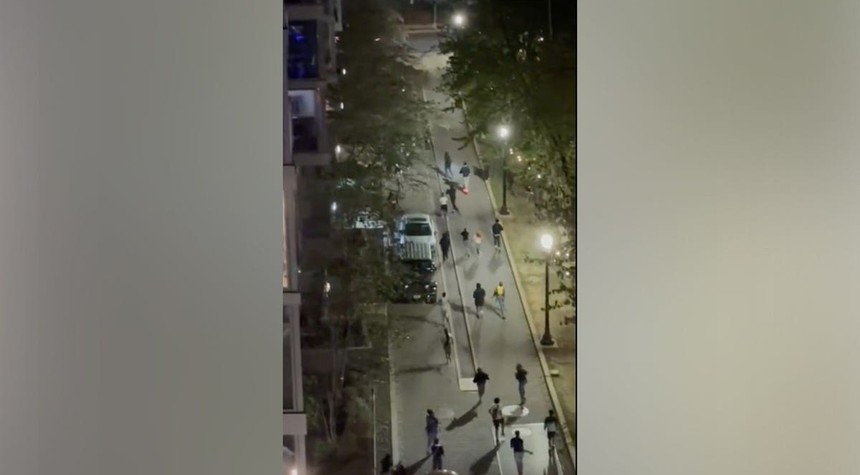
Something’s brewing in American cities, and it smells like trouble with a TikTok filter. From Chicago to Washington, D.C., officials are bracing for what experts are calling a potentially explosive summer of teen takeovers. These aren’t your grandmother’s flash mobs. We’re talking large crowds of young people, coordinated through social media, descending on downtown areas and turning public spaces into chaos zones.
The spring was just the preview. Arrests, fights, weapons charges, emergency curfew debates. You know what makes this different from past youth disturbances? The speed and scale that social media provides. A kid can broadcast to thousands of followers in seconds, and suddenly you’ve got a crowd that police weren’t prepared to handle.
“So many of these incidents are fueled by two things: social media and boredom. That’s it,” Amy Swearer from Advancing American Freedom told reporters. She’s right, and anyone pretending otherwise is selling you something. We’ve created a generation that’s simultaneously more connected and more aimless than any before. They’ve got smartphones more powerful than the computers that sent men to the moon, and they’re using them to organize street takeovers because there’s nothing better to do on a Saturday night.
Zack Smith at The Heritage Foundation points out what should be obvious to anyone paying attention. Crime increases during summer months. It always has. Throw in social media amplification and you’ve got a recipe for disaster that cities should be very worried about. Not might be worried. Should be worried. There’s a difference.
Here’s the part that should concern everyone, regardless of political stripe. We made real progress rolling back that post-COVID violent crime spike. Homicides had surged nationally during the pandemic, hitting communities that could least afford it. Some cities actually started getting their act together, implementing smarter policing strategies, rebuilding community trust. That progress is fragile, and these teen takeovers threaten to shatter it completely.
The problem isn’t just the immediate chaos when hundreds of teenagers flood a downtown area. It’s what comes after. Businesses close early or relocate entirely. Families stop visiting public spaces. The tax base erodes. Regular people who just want to enjoy their city on a summer evening get pushed out by fear and disorder. That’s not the America we should accept.
And let’s talk about consequences, or rather, the lack thereof. When cities adopt soft-on-crime policies that treat juvenile offenders like they’re incapable of understanding right from wrong, you get more of this behavior. It’s not complicated. Kids are smart enough to organize sophisticated social media campaigns but supposedly not smart enough to face real accountability? That math doesn’t work.
The boredom factor is real though, and conservatives need to grapple with it honestly. Yes, personal responsibility matters. Yes, parents should be involved. But we’ve also created communities where there’s precious little for young people to do that doesn’t involve a screen. Community centers have closed. Youth programs got slashed. Churches that used to provide structure and purpose have emptied out in many neighborhoods. The free market doesn’t always fill every gap, and pretending it does makes us look disconnected from reality.
This summer will test whether cities learned anything from the spring incidents. Will they beef up police presence in vulnerable areas? Will they actually enforce curfews when necessary, or cave to activists who think any restriction on youth behavior is oppressive? Will prosecutors charge offenders appropriately, or will cases get dismissed in the name of second chances that have already been given five times over?
The warning signs are flashing red. Officials are “on alert,” which is government-speak for “we see this coming but aren’t sure what to do about it.” That’s not good enough. Public safety isn’t negotiable. The right to peacefully enjoy public spaces isn’t up for debate. And the idea that we should just accept periodic chaos because addressing it might seem mean to teenagers is absurd on its face.
Cities have a choice this summer. They can get serious about prevention, enforcement, and consequences. Or they can watch their recent public safety gains evaporate while residents lose faith in their ability to maintain basic order. Social media and boredom aren’t going anywhere. The only question is whether leadership will show up.
Related: Boebert Risks Trump’s Wrath to Stand With Massie and Nobody Wins This Fight