
The Foreign Intelligence Surveillance Court has appointed Jennifer Daskal, a lawyer with documented ties to the Biden administration’s failed Disinformation Governance Board, to serve as an amicus curiae advisor. This development represents a stunning failure of institutional judgment that should concern anyone who values civil liberties.
Let’s examine the facts here. The FISC operates in secrecy, approving warrants that allow federal authorities to surveil targets for foreign intelligence purposes. The amicus curiae advisors serve a crucial function in this system, providing independent counsel to judges on whether proposed surveillance warrants appropriately balance national security interests against constitutional protections. These advisors constitute a small, select group of legal experts entrusted with defending American liberties in a court where defendants have no representation.
Now, this secretive court has selected an individual who previously worked to establish a government board explicitly designed to monitor and potentially suppress speech. The Disinformation Governance Board, you will recall, was such a catastrophic overreach that the Biden administration was forced to disband it after massive public backlash. The board represented everything Americans rightly fear about government power: unelected bureaucrats determining what constitutes acceptable speech and what does not.
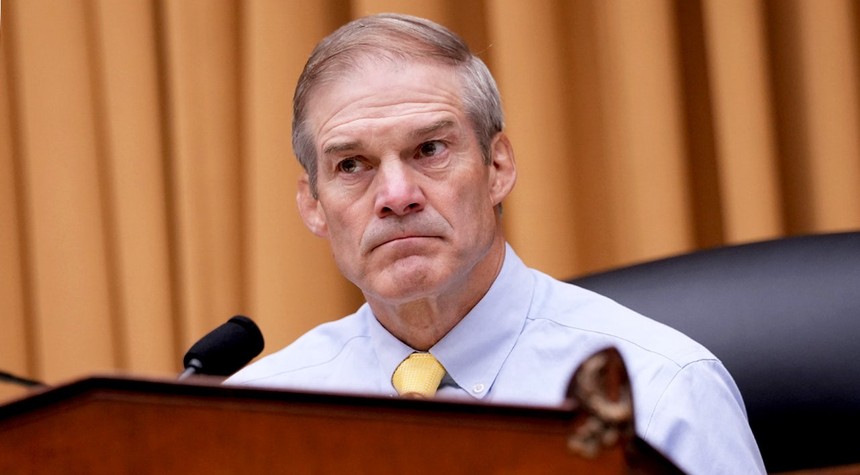
House Judiciary Committee Chairman Jim Jordan articulated the problem succinctly. The same person who helped construct a mechanism for censoring American speech now advises judges on protecting American liberties. The contradiction is not merely troubling. It is absurd.
Republican lawmakers are justified in their concerns about Daskal’s ability to objectively evaluate warrant applications. Her professional history demonstrates a willingness to prioritize government information control over First Amendment protections. Why should Americans trust that someone with such a track record will suddenly become a zealous guardian of privacy rights and due process in the FISC context?
This appointment illuminates a broader problem with the FISC system itself. The court operates with minimal transparency and accountability. Americans whose communications are swept up in surveillance operations have no opportunity to challenge warrants before they are executed. The amicus curiae program was supposed to address this structural imbalance by ensuring that someone in the room would advocate for civil liberties concerns.
Instead, we now have an advisor whose professional credentials include participation in a government disinformation initiative that treated American citizens’ speech as a problem requiring federal management.
The House recently passed FISA renewal legislation without additional warrant requirements for accessing American data, a decision that already raised significant civil liberties questions. This appointment compounds those concerns exponentially.
Congressional oversight is not optional here. It is essential. Jordan is correct that lawmakers must continue scrutinizing how the FISC operates and who serves in positions of influence within that system. The appointment of someone with Daskal’s background suggests that the court either does not understand the optics problem or does not care about public trust.
Either explanation is unacceptable. The FISC wields extraordinary power over American citizens’ privacy. The individuals advising its judges must have unimpeachable records of defending constitutional rights, not histories of supporting government speech monitoring. This appointment fails that basic standard.
Related: Two Men Sentenced to 20 Years Each for Massive Obamacare Fraud Targeting Vulnerable Floridians