
When Bureaucrats Rewrite Their Own Rulebook
There’s something almost comical about a federal agency suddenly announcing it’s been interpreting its own authority incorrectly for years. Almost. Because when that agency is Immigration and Customs Enforcement and the subject is warrantless arrests, the comedy turns into something far more consequential.
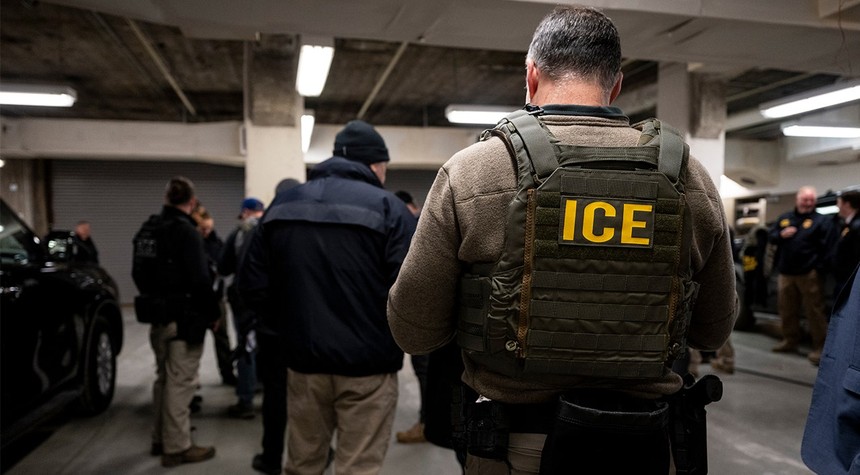
Acting Director Todd Lyons just dropped a memo that basically says, “Hey, we’ve been doing this wrong.” The new guidance, filed in federal court last Friday as part of a Minnesota case, gives ICE agents broader latitude to make snap decisions about arresting suspected illegal immigrants without obtaining a warrant first. You know what’s wild? The admission that they’ve apparently been hamstringing themselves all along.
Here’s the technical bit. When ICE makes civil immigration arrests, they’re supposed to get an administrative warrant. That’s not a judicial warrant signed by a judge. It’s an internal document that supervisors within ICE sign off on to confirm probable cause exists. Think of it as a bureaucratic permission slip. The new memo suggests agents can skip that step under certain conditions.
The conditions matter here, though the memo’s specifics remain somewhat vague in public reporting. What we do know is this represents a significant shift in how the agency views its own enforcement powers.
The Warrant Question Nobody Wants to Answer Honestly
Let’s cut through the noise. Immigration enforcement exists in this weird legal twilight zone that makes people on both sides uncomfortable. Civil versus criminal procedures. Federal versus state jurisdiction. Constitutional protections that apply to everyone versus specific statutory frameworks for immigration.
The Fourth Amendment protects against unreasonable searches and seizures. That’s bedrock American law. But immigration enforcement has always operated with different rules because, constitutionally speaking, the federal government has broad powers over who enters and remains in the country. That’s not controversial legal theory. It’s settled law going back generations.
What is controversial? How those powers get exercised on the ground. When an ICE agent encounters someone they suspect is in the country illegally, what process protections apply? The administrative warrant requirement was supposed to be one of those protections. A supervisor reviews the case. Confirms probable cause. Signs off. The arrest happens.
Now ICE is saying that interpretation was too restrictive. They’re arguing their statutory authority allows for more immediate action in certain scenarios. From a law enforcement efficiency standpoint, you can see the logic. Probable cause doesn’t evaporate just because paperwork takes time. If an agent has legitimate reason to believe someone is deportable and that person might disappear before a warrant gets processed, waiting could mean losing the chance entirely.
But here’s where it gets thorny. Administrative warrants weren’t just bureaucratic hurdles. They were accountability mechanisms. Someone else had to review the decision. That second set of eyes mattered.
What This Really Means on the Ground
The practical impact will depend entirely on how field agents interpret these new guidelines. Will this become a blanket excuse to skip the warrant process? Or will agents use this authority sparingly for genuine exigent circumstances?
That’s not a rhetorical question. The answer will define whether this policy shift represents reasonable law enforcement flexibility or an erosion of process protections.
Critics will howl about constitutional violations and overreach. They’ll paint every warrantless arrest as jackbooted tyranny. Supporters will point out that immigration enforcement without enforcement is just paperwork theater. Both sides will miss the nuance, because nuance doesn’t fit on protest signs or campaign mailers.
Here’s what matters from a conservative perspective. We believe in the rule of law. That means borders mean something. It also means process matters. Not process for process’s sake, but legitimate safeguards against arbitrary government action. Limited government includes limiting how government wields its power, even when that power is legitimate.
The Trump administration clearly wants ICE operating at full capacity. Fair enough. The previous administration turned immigration enforcement into a selective enforcement joke. But expanding warrantless arrest authority deserves scrutiny from everyone who claims to care about constitutional governance.
The memo’s timing, filed in federal court as part of ongoing litigation, suggests this will get tested quickly. Minnesota’s case will likely produce judicial review of these expanded powers. That’s good. Let the courts weigh in. That’s how the system is supposed to work.
Meanwhile, ICE agents are getting new marching orders that fundamentally change how they approach their jobs. Some will welcome the flexibility. Others might worry about the liability. All of them will be making split-second decisions with significant consequences for real people.
And somewhere in Washington, lawyers are already drafting the next round of legal briefs. Because nothing in immigration policy stays settled for long.
Related: Senate Republicans Sound Alarm on Chinese Vapes Doubling as Surveillance Tools