
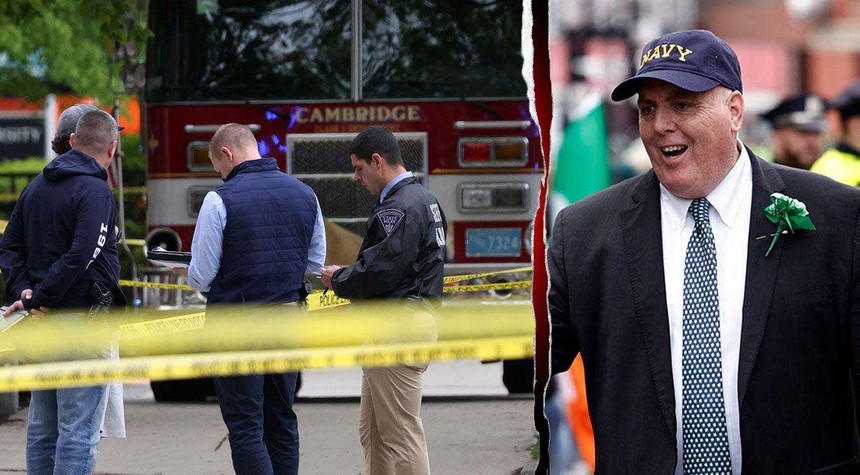
Sometimes it takes 50 rounds fired into traffic on a Monday afternoon to get people’s attention. Tyler Brown, a 46-year-old man with a violent criminal history that reads like a greatest hits album of bad decisions, allegedly opened fire on Memorial Drive in Cambridge this week. Four people got shot, including Brown himself. The terrifying video went viral within hours, as these things do now, and suddenly everyone’s asking the same question: How was this guy walking around free?
Boston City Councilman Ed Flynn, a Democrat, isn’t mincing words. “There is absolutely no way this person should have been released on probation and parole,” Flynn told reporters. You know what? He’s right. And the fact that it’s coming from someone on the left side of the aisle makes it even more significant. This isn’t partisan grandstanding. This is common sense finally breaking through the fog of progressive criminal justice theory.
Flynn went further, pointing out what should be obvious to anyone paying attention. “When you have a lengthy criminal record and you constantly continue to be convicted and engaged in criminal activities, there should be a long prison sentence for someone that continues to disregard rules of society.” It’s not complicated. When someone demonstrates repeatedly that they’re a danger to others, keeping them locked up isn’t cruel. It’s responsible.
The soft-on-crime experiment has been running for years now in cities across America. The philosophy sounds compassionate in faculty lounges and policy seminars. Rehabilitation over punishment. Second chances. Breaking the cycle of incarceration. These are noble goals, honestly. Nobody wants to see people trapped in the criminal justice system forever. But somewhere along the way, the pendulum swung so far that we forgot about the other people in this equation. The ones just trying to drive down Memorial Drive on a Monday without getting shot at.
Brown’s violent past should have been a flashing neon warning sign. Instead, the system treated it like a suggestion. Probation. Parole. Short sentences for violent offenses. Each decision made in isolation might have seemed reasonable to the judge or parole board at the time. But strung together, they created a pattern of enabling dangerous behavior. And now four people are wounded, a community is traumatized, and we’re all supposed to act surprised.
This isn’t about vengeance or being cruel for cruelty’s sake. It’s about protecting innocent people. The first job of government, before healthcare or education or infrastructure, is to keep citizens safe. That’s the social contract. You follow the rules, society protects you. You repeatedly break those rules in violent ways, society removes you from the equation until you’re no longer a threat. It’s basic.
The real victims here aren’t the repeat offenders getting another chance. They’re the people who got shot. They’re the families who watched that video and realized it could have been them. They’re the law-abiding residents who’ve been told for years that concerns about rising crime are overblown or racist or just not progressive enough to deserve consideration.
Flynn’s willingness to call this out matters because it shows the conversation is shifting. Even Democrats in deep blue cities are starting to admit that maybe, just maybe, being tough on violent repeat offenders isn’t the moral failing it’s been portrayed as. Maybe it’s actually the compassionate choice when you consider all the potential victims who never asked to be part of someone else’s redemption story.
The question now is whether anyone will actually change the policies or if we’ll just wait for the next viral video of the next preventable tragedy.
Related: Mark Kelly Can’t Stop Talking and Pete Hegseth Has Had Enough